Struggling with weight loss can be a frustrating journey, leading many to seek quick solutions. The market is saturated with weight loss supplements, making it incredibly challenging to discern what is safe, effective, and truly beneficial. This comprehensive guide aims to empower you with essential knowledge, helping you make informed decisions before incorporating any weight loss supplement into your routine.
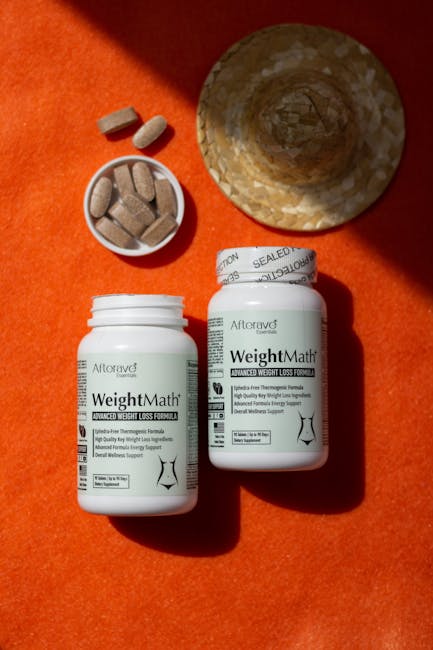
Common Categories of Weight Loss Supplements
The vast array of weight loss supplements can be broadly categorized based on their proposed mechanisms of action. Understanding these categories is the first step in demystifying the claims made by various products.
Metabolism Boosters (Often referred to as “Fat Burners”)
These supplements typically aim to increase your body’s metabolic rate, theoretically leading to more calories burned. They often contain stimulants that can elevate energy levels and promote thermogenesis.
- How they claim to work: By enhancing metabolic processes, these supplements suggest they can help your body burn fat more efficiently, even at rest.
- Typical ingredients in this category: Common components include caffeine, green tea extract, L-carnitine, and capsaicin.
Appetite Suppressants
Designed to reduce feelings of hunger, these supplements help you consume fewer calories naturally. They often work by promoting a sense of fullness or by influencing hunger hormones.
- Mechanisms for reducing hunger: Many work by expanding in the stomach to create a feeling of satiety or by affecting neurotransmitters related to appetite.
- Common ingredients used for satiety: Ingredients like glucomannan, fenugreek, and other types of dietary fiber are frequently found in this category.
Carbohydrate and Fat Blockers
These supplements purport to limit the absorption of macronutrients from the food you eat. By blocking carbohydrates or fats, they aim to reduce the total calorie intake from meals.
- How they purport to limit nutrient absorption: They typically contain compounds that interfere with the enzymes responsible for breaking down carbs or fats, or bind to these nutrients.
- Ingredients associated with blocking: Popular ingredients include white kidney bean extract (for carbs) and chitosan (for fats).
Other Types
Beyond the main categories, there are other types of supplements targeting various aspects of weight loss. These can include detox blends, stimulant-free options, and those focusing on mood or stress management to reduce emotional eating.
Key Ingredients and Their Proposed Mechanisms
Many weight loss supplements rely on a handful of well-known ingredients. While some have more scientific backing than others, it’s crucial to understand their purported roles.
Green Tea Extract: Role in metabolism and fat oxidation
Green tea extract is rich in catechins, particularly epigallocatechin gallate (EGCG), which is believed to contribute to its thermogenic and fat-oxidizing properties. It is a popular ingredient in many “fat burner” formulations.
Caffeine: Effects on energy and thermogenesis
A well-known stimulant, caffeine is often included for its ability to increase energy expenditure and enhance fat oxidation. It can also temporarily suppress appetite and improve focus during exercise.
Fiber (e.g., Glucomannan): Promoting satiety and digestive health
Soluble fibers like glucomannan absorb water and expand in the digestive tract, promoting feelings of fullness. This can lead to reduced calorie intake and improved bowel regularity.
Garcinia Cambogia: Claims regarding appetite and fat production
This tropical fruit contains hydroxycitric acid (HCA), which some studies suggest may help suppress appetite and inhibit an enzyme involved in fat production. However, research findings have been mixed.
Important Considerations Before Supplementation
Before you consider taking any weight loss supplement, several critical factors must be carefully evaluated. These steps are crucial for your safety and to ensure you make choices that align with your health goals.
Consulting a Healthcare Professional: The necessity of medical advice
Always speak with your doctor or a registered dietitian before starting any new supplement regimen. This is particularly important if you have underlying health conditions or are taking other medications.
- Pre-existing conditions and medications: Some supplements can interact negatively with prescription drugs or exacerbate certain health issues.
- Personalized health assessment: A professional can provide tailored advice based on your individual health profile, ensuring safety and efficacy.
Understanding Potential Side Effects and Interactions: What to watch out for
Even natural ingredients can have side effects or interact with other substances. It’s vital to research and be aware of potential adverse reactions.
- Common adverse reactions: These can range from mild digestive upset to more severe cardiovascular effects, depending on the ingredients.
- Interactions with prescription drugs: Supplements can alter the effectiveness of medications, leading to dangerous outcomes.
The Foundational Role of Diet and Exercise: Supplements as aids, not replacements
Weight loss supplements are never a substitute for a balanced diet and regular physical activity. They are intended to be aids to a healthy lifestyle, not standalone solutions.
- Importance of a balanced diet: Prioritize whole, unprocessed foods, lean proteins, and plenty of fruits and vegetables.
- Benefits of regular physical activity: Incorporate both cardiovascular exercise and strength training for optimal health and weight management.
Decoding Product Labels: What to look for and what to avoid
Understanding supplement labels is key to making informed decisions. Pay close attention to ingredients, dosages, and third-party certifications.
- Proprietary blends vs. transparent dosages: Be wary of “proprietary blends” which do not disclose individual ingredient amounts. Look for products with clear, transparent dosages.
- Third-party testing seals: Certifications from organizations like NSF International or USP indicate that a product has been tested for purity and potency.
Evaluating Efficacy and Scientific Evidence
The supplement industry is vast, and claims can often be exaggerated. It’s essential to critically evaluate the scientific evidence behind any product or ingredient you consider.
What Current Research Suggests About Specific Ingredients: While specific studies could not be retrieved at this time, it is generally understood that ingredients like caffeine and green tea extract have some evidence supporting their roles in metabolism. However, the magnitude of their effects on weight loss can vary significantly among individuals.
Differentiating Evidence-Based Claims from Marketing Hype: Look for research published in reputable scientific journals, rather than relying solely on testimonials or manufacturer claims. Be skeptical of products promising rapid or miraculous weight loss.
The Impact of Individual Differences on Results: Factors such as genetics, baseline metabolism, diet, exercise habits, and overall health can all influence how effective a weight loss supplement might be for a given individual.
Safety, Quality, and Regulatory Landscape
The regulation of dietary supplements differs significantly from that of prescription drugs, making it crucial for consumers to be vigilant about safety and quality.
Regulatory Oversight: How supplements are regulated (or not) by agencies like the FDA
In the United States, the Food and Drug Administration (FDA) regulates dietary supplements under a different set of regulations than those for “conventional” foods and drug products. Manufacturers are responsible for ensuring the safety of their products before they are marketed.
Importance of Third-Party Testing: Ensuring purity and potency
Because the FDA does not approve dietary supplements before they are sold, third-party testing is a vital safeguard. Organizations that offer independent testing verify that products contain the ingredients listed on the label and are free from harmful contaminants.
Risks of Counterfeit Products and Unscrupulous Vendors: How to identify reliable sources
The online marketplace can be a breeding ground for counterfeit or substandard supplements. Always purchase from reputable retailers or directly from manufacturers with transparent practices and positive customer reviews. Be wary of unbelievably low prices or exaggerated claims.
Conclusion
Navigating the world of weight loss supplements requires careful consideration and an informed approach. Remember that supplements are intended to support a healthy lifestyle, not replace it.
Prioritize consulting with healthcare professionals, understanding the science (or lack thereof) behind ingredients, and scrutinizing product quality and safety. By adopting a holistic and sustainable approach to weight management, focusing on balanced nutrition and regular physical activity, you are more likely to achieve lasting and healthy results.
Always perform due diligence and prioritize your health and safety above all when considering any weight loss solution.