Your liver works tirelessly every day, filtering toxins and vital metabolic waste from your blood, making it your body’s primary detoxification organ. However, modern diets and lifestyles can sometimes overwhelm this crucial organ, leading to fatigue, digestive upset, and a general feeling of malaise. By adopting natural, supportive strategies, you can significantly enhance your liver’s innate purification processes, paving the way for improved health and vitality.
Understanding Your Liver: The Body’s Detox Powerhouse
The liver, a large, reddish-brown organ situated on the right side of your abdomen, performs hundreds of essential functions vital for survival. Its primary roles include processing nutrients, producing bile for digestion, and, most importantly, detoxifying harmful substances. This remarkable organ acts as a sophisticated filtration system, neutralizing and eliminating toxins before they can harm your body.
The liver naturally purifies the body through a two-phase detoxification process, converting fat-soluble toxins into water-soluble compounds that can be excreted. This continuous process is highly efficient under normal conditions. It effectively handles everything from environmental pollutants to medications and alcohol.
Despite its robustness, various factors can significantly impact liver health and its purification capacity. Poor dietary choices, excessive alcohol consumption, certain medications, chronic stress, and exposure to environmental toxins can all place an undue burden on the liver. Supporting your liver means recognizing these stressors and actively working to mitigate their impact.
Signs Your Liver Might Need Support
While the liver is incredibly resilient, it can sometimes show signs that it’s struggling to keep up with its detoxification demands. These symptoms are often non-specific and can mimic other conditions, making self-diagnosis difficult. Common indicators might include persistent fatigue, unexplained weight changes, digestive issues like bloating or indigestion, and various skin problems such as acne or dullness.
It is crucial to understand that these symptoms are not definitive proof of liver dysfunction and can be caused by many other health issues. If you experience persistent or concerning symptoms, please consult a healthcare professional for an accurate diagnosis and appropriate medical advice. This guide is for informational purposes only and not a substitute for professional medical care.
Natural Ways to Support Liver Health and Purification
Supporting your liver naturally involves a holistic approach, focusing on nutrient-rich foods, healthy lifestyle choices, and mindful living. These strategies empower your liver to perform its vital functions more effectively and efficiently. Consistency in these areas is key to long-term liver well-being.
Dietary Approaches
What you eat plays a direct and significant role in your liver’s health. Incorporating specific foods can provide the essential nutrients and compounds needed for optimal liver function. Conversely, limiting harmful substances can reduce the burden on this vital organ, allowing it to regenerate and operate at its best.
- Foods beneficial for liver health:
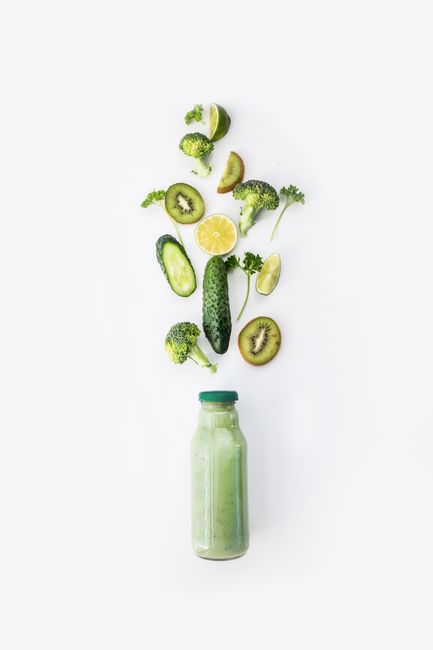
- Cruciferous vegetables: Broccoli, cauliflower, Brussels sprouts contain compounds that support detoxification enzymes.
- Leafy greens: Spinach, kale, and collard greens are packed with antioxidants.
- Berries: Blueberries, cranberries, and raspberries offer potent antioxidant protection.
- Garlic: Contains allicin and selenium, which aid in liver cleansing.
- Turmeric: A powerful anti-inflammatory and antioxidant spice.
- Grapefruit: High in vitamin C and antioxidants that protect liver cells.
- Walnuts: Rich in omega-3 fatty acids and arginine, supporting detoxification.
- Foods to limit or avoid:
- Processed foods: Often high in unhealthy fats, sugar, and artificial ingredients.
- Excessive sugar: Can contribute to non-alcoholic fatty liver disease (NAFLD).
- Unhealthy fats: Trans fats and excessive saturated fats can promote inflammation.
- Alcohol: Best consumed in moderation, or avoided altogether, as it is a significant liver stressor.
Beyond specific foods, maintaining adequate hydration is crucial for overall health and liver function. Water helps transport toxins out of the body and supports the liver’s role in processing nutrients. Aim for at least eight glasses of water daily, and consider herbal teas that may offer additional benefits.
Lifestyle Adjustments
Your daily habits extend beyond diet to profoundly influence liver health. Integrating regular physical activity and effective stress management techniques can significantly reduce systemic inflammation and improve metabolic function. These lifestyle pillars work synergistically to create an environment where your liver can thrive and efficiently perform its purification duties.
- Regular exercise: Helps reduce liver fat, improves insulin sensitivity, and promotes healthy weight management.
- Stress management techniques: Chronic stress can contribute to inflammation; practices like yoga, meditation, or deep breathing can be beneficial.
- Adequate sleep: Allows the body, including the liver, to repair and regenerate. Aim for 7-9 hours of quality sleep per night.
- Avoiding environmental toxins: Minimize exposure to pesticides, cleaning chemicals, and other pollutants whenever possible.
Herbal and Natural Aids (General Information, No Specific Product Endorsements)
Certain herbs have a long history of traditional use for supporting liver health. Compounds found in botanicals like milk thistle, dandelion root, and globe artichoke are often researched for their potential to protect liver cells and aid detoxification. These herbs are commonly found in natural health supplements aimed at liver support.
While these natural aids show promise, it is absolutely essential to exercise caution and consult a healthcare professional before incorporating any new supplements into your regimen. Individual responses can vary, and some herbs may interact with medications or not be suitable for specific health conditions. Always prioritize professional medical advice when considering natural health products.
Debunking Liver Detox Myths
The concept of “liver detox” is often surrounded by numerous myths and misconceptions, frequently promoted by products promising rapid, dramatic cleansing. It’s important to recognize that your liver is not like a filter that needs to be “unclogged” with special juices or extreme diets. Such “quick fix” cleanses typically lack scientific backing and can sometimes be detrimental, causing nutrient deficiencies or electrolyte imbalances.
In reality, the liver is a highly efficient, self-cleansing organ designed to continuously detoxify the body without external “cleansing” products. Its natural processes are incredibly sophisticated and robust. The most effective way to support your liver is through consistent, healthy dietary and lifestyle choices, rather than relying on unproven detox fads.
When to See a Doctor
While this guide focuses on natural ways to support liver health, it’s vital to know when professional medical attention is necessary. Severe or persistent symptoms like persistent jaundice (yellowing of the skin or eyes), dark urine, pale stools, severe abdominal pain, unexplained swelling in the legs or ankles, or chronic nausea/vomiting warrant immediate medical evaluation. These could be signs of serious liver conditions that require urgent care.
Always prioritize seeking professional medical advice for any suspected liver conditions or chronic health concerns. A doctor can provide an accurate diagnosis, recommend appropriate treatment, and guide you on the safest and most effective path to liver health. Self-treating serious conditions based solely on informational guides can be dangerous.
Conclusion
The liver is an indispensable organ, relentlessly working to maintain your body’s internal balance and protect you from harmful substances. Supporting its natural purification capabilities through conscious dietary choices, an active lifestyle, and effective stress management is paramount for overall well-being. By nurturing your liver, you invest in your long-term health and vitality.
Embrace a holistic approach to wellness, understanding that a healthy liver thrives when the entire body is well-cared for. Remember, consistency and patience are key when adopting liver-supportive habits. Prioritize real food, regular movement, quality sleep, and stress reduction to empower your liver to perform its vital functions optimally every day.