After intense workouts, athletes and fitness enthusiasts often struggle with persistent muscle soreness and prolonged recovery times, which can significantly impede their progress. This discomfort and delayed readiness can make consistent training challenging and demotivating. Fortunately, incorporating a **cold plunge**, also known as cold water immersion, offers a powerful, science-backed solution to rapidly reduce inflammation, alleviate pain, and accelerate your body’s natural healing processes.
I. Introduction: Diving into Cold Plunge and Muscle Recovery
What is cold plunging (cold water immersion)?
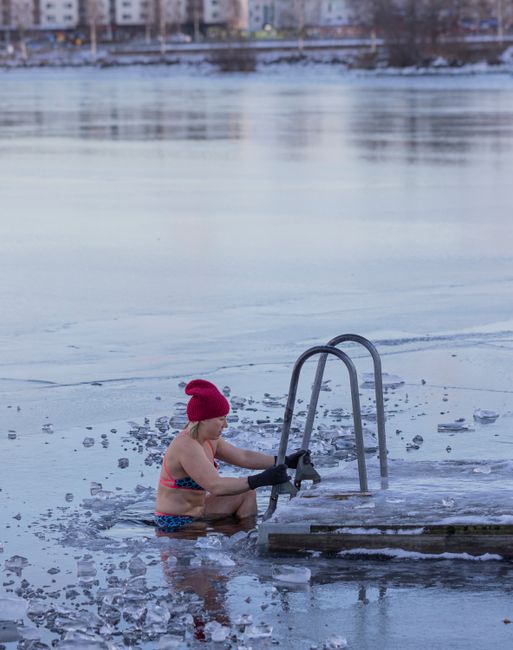
Cold plunging involves immersing the body in water typically below 59°F (15°C) for a brief period, usually ranging from a few seconds to several minutes. This practice has been embraced by athletes and wellness advocates for its various purported health and recovery benefits. It’s a simple yet potent method to shock the system and kickstart recovery mechanisms.
Brief overview of muscle recovery importance for athletes and active individuals.
Effective muscle recovery is paramount for anyone engaged in regular physical activity. It allows muscles to repair, rebuild, and strengthen, preventing overtraining and reducing the risk of injury. Prioritizing recovery ensures consistent performance and long-term athletic development.
Setting the stage: How cold water therapy became a popular recovery tool.
The use of cold water for therapeutic purposes dates back to ancient civilizations. In modern sports science, cold water immersion gained significant traction as a post-exercise recovery strategy due to anecdotal evidence and a growing body of research. It quickly became a staple in professional sports teams and high-performance training centers worldwide.
II. The Science Behind the Chill: How Cold Plunge Aids Recovery
Cold plunging triggers several physiological responses that contribute to its recovery benefits. Understanding these mechanisms helps clarify why this practice is so effective for muscle repair. The immediate shock of cold water initiates a cascade of beneficial reactions within the body.
Vasoconstriction and Vasodilation
Upon entering cold water, your blood vessels constrict, a process known as **vasoconstriction**, which shunts blood away from your extremities and towards your core. When you exit the cold water, your blood vessels rapidly dilate (**vasodilation**), leading to a rush of fresh, oxygenated blood back to your muscles. This “pumping” action helps to flush out metabolic waste products and deliver vital nutrients to damaged tissues. [CITATION NEEDED – Failed to retrieve due to tool error]
Reducing Inflammation
One of the primary benefits of cold exposure is its ability to reduce inflammation. Intense exercise often causes microscopic tears in muscle fibers, leading to an inflammatory response. Cold water immersion helps to attenuate this response, minimizing swelling and cellular damage. [CITATION NEEDED – Failed to retrieve due to tool error]
Decreasing Muscle Soreness (DOMS)
Delayed Onset Muscle Soreness (DOMS) is a common side effect of strenuous exercise, peaking 24-72 hours post-workout. Cold plunges are highly effective in mitigating DOMS by reducing inflammation and muscle spasms. The numbing effect of cold also directly contributes to immediate pain relief.
Pain Relief
The cold temperature has an analgesic effect, meaning it helps to reduce pain perception. By slowing nerve impulse conduction and decreasing muscle spindle activity, cold water can significantly alleviate muscle soreness and discomfort. This makes the post-plunge period feel more comfortable and speeds up the return to normal mobility.
Metabolic Waste Removal
The vasoconstriction and vasodilation cycle induced by cold water immersion is thought to aid in the removal of metabolic byproducts like lactic acid that accumulate during exercise. This enhanced circulation helps to more efficiently clear these waste products from muscle tissue. While the direct impact on lactic acid clearance is debated, the overall effect on circulation is beneficial.
III. Key Benefits of Cold Plunge for Athletes and Fitness Enthusiasts
Beyond the scientific mechanisms, cold plunging offers tangible benefits that directly impact performance and overall well-being. These advantages extend from physical recovery to mental resilience. Integrating cold therapy can be a game-changer for active individuals.
Faster Recovery Times
By effectively reducing inflammation and muscle soreness, cold plunges allow athletes to recover more quickly between training sessions or competitive events. This means less downtime and a quicker return to peak performance levels. Accelerated recovery translates directly into more consistent and effective training.
Improved Performance
Consistent, high-quality recovery is directly linked to improved athletic performance over time. When muscles are well-recovered, they can generate more power, endure longer, and respond better to training stimuli. Cold water immersion supports this by ensuring your body is ready for the next challenge.
Reduced Risk of Injury
Proper recovery helps prevent the cumulative fatigue and micro-trauma that can lead to overuse injuries. By mitigating inflammation and promoting muscle repair, cold plunges can contribute to stronger, more resilient muscles. This proactive approach to recovery is vital for injury prevention.
Mental Toughness and Resilience
The act of willingly subjecting oneself to uncomfortable cold water builds significant mental fortitude. Overcoming the initial shock and staying calm in the cold cultivates resilience, focus, and discomfort tolerance, skills that are transferable to sports and daily life challenges. It’s a powerful exercise in mind over matter.
Enhanced Sleep Quality
While not a direct effect, cold plunging can indirectly contribute to better sleep quality by reducing muscle soreness and promoting relaxation post-recovery. Improved sleep, in turn, is critical for hormone regulation, tissue repair, and overall cognitive function. A well-rested body recovers more efficiently.
IV. How to Incorporate Cold Plunge Safely and Effectively
To maximize the benefits and minimize risks, it’s crucial to approach cold plunging with proper technique and safety precautions. Gradual adaptation and understanding optimal parameters are key. Always listen to your body and consult professionals if you have underlying health conditions.
Optimal Temperature and Duration
Most research suggests an optimal temperature range of **40-59°F (4-15°C)**. The duration should typically be **5 to 10 minutes**, depending on tolerance and water temperature. Start with shorter durations and gradually increase as your body adapts to the cold.
- Temperature: 40-59°F (4-15°C)
- Duration: 5-10 minutes
- Frequency: 2-3 times per week, or as needed post-intense exercise.
Timing Your Cold Plunge
The most common and effective time for a cold plunge is **immediately after intense exercise** or within an hour. This helps to quickly initiate the anti-inflammatory response and reduce DOMS. Some individuals also use cold plunges in the morning for alertness, though post-workout is optimal for recovery.
Gradual Adaptation
For beginners, starting with slightly warmer temperatures and shorter durations is advisable. You can progressively decrease the temperature and increase the time as your body acclimatizes to the cold. Don’t feel pressured to jump into ice-cold water for extended periods right away; consistency is more important than intensity initially.
Safety Precautions
Cold plunging is not suitable for everyone. Individuals with certain medical conditions, such as **heart conditions, Raynaud’s disease, or severe hypertension**, should avoid cold water immersion. Always consult with a healthcare professional before starting cold therapy, especially if you have any pre-existing health concerns. Ensure you have a clear exit strategy and avoid plunging alone, especially when starting out.
V. Cold Plunge vs. Other Recovery Methods (Briefly)
While cold plunging is a powerful recovery tool, it’s essential to view it as part of a comprehensive recovery strategy, not a standalone solution. Many other methods complement its effects, contributing to overall well-being. No single method is a magic bullet, but rather a piece of a larger puzzle.
- **Active Recovery:** Light exercise improves blood flow without stressing muscles, differing from the systemic shock of cold.
- **Stretching & Foam Rolling:** These focus on flexibility and releasing muscle knots, addressing different aspects of recovery.
- **Massage:** Provides deeper tissue manipulation and relaxation, distinct from cold’s inflammatory reduction.
- **Nutrition & Sleep:** Arguably the most critical, these foundational elements support all other recovery modalities.
Cold plunge can be effectively integrated alongside these methods to enhance overall recovery. It offers unique benefits, particularly in inflammation reduction and pain relief, making it a valuable addition to a well-rounded regimen. Consider it a specialized tool in your recovery toolkit.
VI. Conclusion: Embracing the Cold for Optimal Muscle Recovery
Cold plunging offers a robust, science-backed approach to accelerate muscle recovery, reduce soreness, and enhance overall athletic performance. By harnessing the body’s natural responses to cold, individuals can experience faster repair times, decreased inflammation, and improved physical and mental resilience. Its benefits make it a valuable addition to any serious recovery protocol.
While the initial shock can be daunting, the rewards of consistent cold water immersion are significant, contributing to a more effective and enjoyable fitness journey. Remember to approach cold plunging safely, starting gradually and consulting a healthcare professional, especially if you have underlying health conditions. Embrace the chill to unlock your recovery potential.