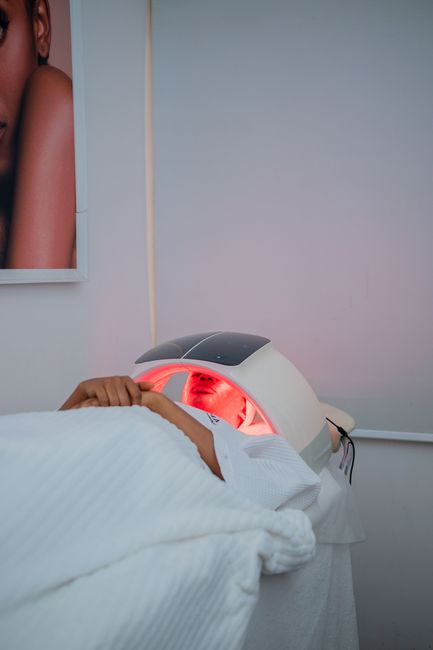
Are you concerned about visible signs of aging like wrinkles and fine lines, or experiencing frustrating hair thinning and loss? These common issues can significantly impact self-confidence, leading many to seek effective solutions.
Red Light Therapy (RLT) offers a promising, non-invasive approach to combat these concerns by stimulating cellular regeneration and improving overall skin and hair health.
This comprehensive guide delves into how RLT works, its specific benefits for rejuvenating your skin and fostering hair growth, and what to consider when exploring this innovative therapy.
What is Red Light Therapy?
Red Light Therapy, also known as Low-Level Light Therapy (LLLT) or photobiomodulation (PBM), involves exposing the body to specific wavelengths of red and near-infrared light.
Unlike harmful ultraviolet (UV) light, which can damage skin, RLT uses therapeutic light that is absorbed by the cells, initiating various beneficial biological processes without heat or discomfort.
These specific wavelengths, typically between 630-700 nanometers for red light and 800-1000 nanometers for near-infrared light, penetrate different depths of tissue, offering distinct therapeutic effects.
The Science Behind Red Light Therapy: How it Works
At its core, RLT works by influencing the mitochondria, often called the “powerhouses” of our cells. When red and near-infrared light hits these organelles, it stimulates them to produce more adenosine triphosphate (ATP), the primary energy currency of the cell.
This increase in ATP energy fuels cellular repair, regeneration, and optimal function throughout the body. The light also helps release nitric oxide, which improves blood flow and reduces oxidative stress.
These cellular changes collectively lead to enhanced collagen production, reduced inflammation, and improved circulation, which are crucial for both skin health and hair growth.
Red Light Therapy for Skin Aging & Rejuvenation
RLT has garnered significant attention for its potential to reverse signs of skin aging and improve overall skin appearance. Its non-invasive nature makes it an attractive alternative to more aggressive treatments.
Boosting Collagen and Elastin Production
Collagen and elastin are vital proteins responsible for skin’s firmness, elasticity, and youthful appearance. As we age, their production naturally declines, leading to wrinkles and sagging.
Red light therapy targets fibroblasts, the cells responsible for synthesizing collagen and elastin, stimulating them to produce more of these essential proteins. Research indicates that RLT can significantly increase collagen density and improve skin elasticity, making the skin appear plumper and smoother.
Reducing Wrinkles and Fine Lines
By boosting collagen and elastin, RLT effectively helps to smooth out wrinkles and fine lines. The increased cellular activity and improved skin structure contribute to a more youthful and even skin texture.
Many users report noticeable improvements in the depth and appearance of wrinkles, particularly around the eyes and mouth, after consistent RLT sessions. Clinical studies consistently show positive outcomes in reducing the visible signs of skin aging.
Improving Skin Tone and Texture
Beyond wrinkles, red light therapy can also enhance overall skin tone and texture. It helps to reduce hyperpigmentation, redness, and inflammation, leading to a more even complexion.
RLT has also been shown to minimize pore size and enhance the skin’s natural radiance. Some evidence suggests benefits for managing mild acne and reducing the appearance of acne scars due to its regenerative properties.
Red Light Therapy for Hair Growth & Restoration
For those struggling with hair loss or thinning, RLT presents a promising solution by stimulating hair follicles and promoting healthier hair growth. It addresses the cellular mechanisms behind hair health.
Stimulating Hair Follicles
Red light penetrates the scalp to reach the dermal papilla cells, which play a crucial role in hair growth. This stimulation helps to awaken dormant follicles and encourage them to enter the anagen (growth) phase of the hair cycle.
Improved blood flow to the scalp, another benefit of RLT, delivers essential nutrients and oxygen directly to the hair follicles. This enhanced nutrient supply is critical for supporting robust hair growth.
Addressing Different Types of Hair Loss
Red Light Therapy has shown particular promise in treating androgenetic alopecia, commonly known as male and female pattern baldness. Numerous studies have demonstrated its effectiveness in individuals with various stages of this condition.
While more research is always ongoing, anecdotal evidence and some preliminary studies also suggest potential benefits for other forms of hair thinning by strengthening existing hair and promoting a healthier scalp environment.
Enhancing Hair Density and Thickness
Consistent application of RLT can lead to an increase in hair density and thickness. By extending the anagen phase and stimulating new growth, it helps to create stronger, more resilient hair strands.
A significant study published in Lasers in Surgery and Medicine (2014) highlighted that participants receiving RLT experienced a significant increase in hair density compared to placebo groups, underscoring its potential for improving hair volume and overall scalp health.
Other Potential Benefits of Red Light Therapy
Beyond skin aging and hair growth, red light therapy is being researched for a variety of other health benefits due to its cellular regenerative properties. These include reducing inflammation and promoting healing.
- Wound Healing and Scar Reduction: RLT can accelerate tissue repair and minimize scarring by promoting collagen production and reducing inflammation in injured areas.
- Pain Relief and Inflammation Reduction: Many individuals use RLT to alleviate chronic pain, particularly in joints and muscles, by reducing inflammatory markers and improving local circulation.
- Muscle Recovery: Athletes often use red light therapy to aid in muscle recovery post-exercise, reducing soreness and improving performance by enhancing cellular repair processes.
Safety, Side Effects, and Contraindications
Red Light Therapy is generally considered safe for most people, with minimal reported side effects when used correctly. It is a non-invasive treatment that does not involve harsh chemicals or UV radiation.
Potential mild and temporary side effects might include slight redness or tenderness in the treated area, which typically subsides quickly. It is crucial to always use appropriate eye protection during RLT sessions, especially when treating areas near the face.
Individuals who are pregnant, have certain medical conditions (like epilepsy or specific photosensitivity disorders), or are taking photosensitizing medications should consult a doctor before starting RLT. Always follow the manufacturer’s guidelines for any device.
What to Look for in a Red Light Therapy Device
Choosing the right red light therapy device is crucial for achieving desired results. Consider several factors to ensure you select a high-quality and effective product that meets your needs.
- Wavelengths: Look for devices that emit both red light (around 630-670 nm) and near-infrared light (around 810-850 nm). These specific wavelengths have been shown to offer the most therapeutic benefits.
- Irradiance/Power Density: This indicates the intensity of the light delivered to your skin. Higher irradiance often means shorter treatment times. Reputable manufacturers typically provide this specification.
- Device Type: Devices come in various forms, including large panels for full-body treatment, smaller handheld wands for targeted areas, caps for hair growth, and masks for facial skin. Choose based on your primary treatment area.
- Certifications and Reputable Manufacturers: Opt for devices from manufacturers with good reputations and relevant safety certifications (e.g., FDA-cleared in the US). This helps ensure product quality and efficacy.
- Ease of Use and Cost: Consider how easily the device integrates into your routine and its overall cost. While higher-priced devices may offer more features, effective entry-level options are also available.
Conclusion
Red Light Therapy stands out as a powerful, non-invasive technology with significant potential for addressing both skin aging and hair growth concerns. By harnessing the power of specific light wavelengths, RLT stimulates cellular activity, boosts collagen production, and invigorates hair follicles, leading to visible improvements.
Its ability to rejuvenate skin, reduce wrinkles, improve tone, and stimulate hair regrowth makes it a valuable addition to many wellness routines. While generally safe, always prioritize proper usage and consult with healthcare professionals if you have underlying health conditions.
As research continues to unfold, RLT solidifies its position as a promising complementary therapy, offering a natural and effective path towards enhanced beauty and well-being. Explore its benefits and discover a brighter, healthier you.