Struggling with weight management can be frustrating, often leading to a search for effective and natural solutions. Weight loss juices offer a refreshing approach by concentrating nutrient-dense fruits and vegetables into an easily consumable form. This guide will explore how these powerful concoctions can support your metabolism, curb appetite, and contribute to overall wellness, providing actionable steps for incorporating them into your daily routine.
Introduction to Weight Loss Juices
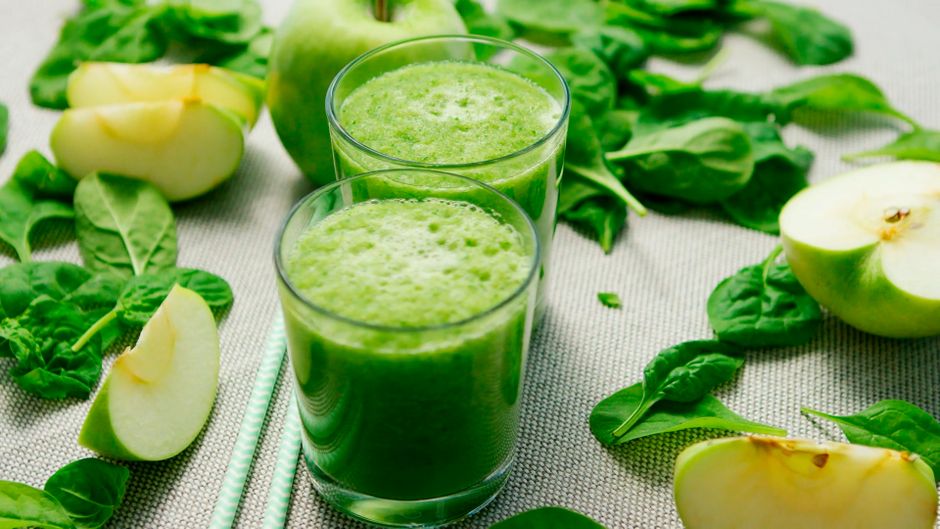
Weight loss juices are beverages made from extracting the liquid content from fresh fruits and vegetables, typically leaving behind much of the pulp. These concentrated nutrient sources have gained immense popularity as a convenient way to increase daily intake of vitamins, minerals, and antioxidants.
Many individuals turn to juicing as a dietary aid, believing it can help kickstart metabolism, support detoxification, and promote a feeling of fullness. Understanding their role in a balanced diet is crucial for leveraging their potential benefits for weight management.
How Do Weight Loss Juices Work? The Science Behind the Sip
The efficacy of weight loss juices often stems from their ability to deliver a high concentration of nutrients with fewer calories than solid meals. Certain ingredients within these juices are known to support metabolic functions and influence appetite regulation.
One notable study, published in BMC Public Health (2010), revealed that overweight individuals with metabolic syndrome who drank one to two servings of low-sodium vegetable juice daily as part of a balanced diet, significantly lost more weight compared to non-juice drinkers. Participants in the juice group lost an average of four pounds over 12 weeks, compared to just one pound for the control group, suggesting a role in appetite management and healthier dietary patterns.
Metabolism Boosting Ingredients
Specific components in juices can help naturally support your body’s metabolic rate. Ingredients like ginger, cayenne pepper, and green tea extract are often included for their thermogenic properties, which can slightly increase calorie expenditure.
Beyond direct fat burning, the rich array of vitamins and minerals in fresh juices supports countless enzymatic reactions essential for energy production and nutrient breakdown. This comprehensive nutritional support ensures your metabolism functions optimally.
Appetite Suppression and Satiety
Certain juices can help you feel fuller for longer, thus reducing overall calorie intake. The liquid form allows for quick nutrient absorption, and the presence of soluble fiber (if some pulp is retained) can contribute to satiety.
Consuming nutrient-dense liquids before meals can also help to fill the stomach, leading to smaller portion sizes during subsequent eating. This strategic intake can be a simple yet effective tool for managing hunger throughout the day.
Detoxification and Nutrient Absorption
While the term “detoxification” can sometimes be overused, fresh juices undeniably provide an abundance of antioxidants and phytonutrients that support the body’s natural cleansing processes. They aid the liver and kidneys in their roles of filtering and eliminating waste products.
Juicing can also make it easier for the body to absorb nutrients, as the digestive system doesn’t have to work as hard to break down fibrous materials. This enhanced absorption ensures you are getting the maximum benefit from the vitamins and minerals present.
Hydration and Overall Wellness
Maintaining proper hydration is critical for every bodily function, including metabolism and energy levels. Weight loss juices contribute significantly to your daily fluid intake, often providing electrolytes as well.
Optimal hydration supports digestion, nutrient transport, and temperature regulation, all of which are vital for overall health and effective weight management. This foundational benefit is often overlooked but profoundly impacts wellness.
Key Natural Ingredients for Effective Weight Loss Juices
The power of weight loss juices lies in their carefully selected ingredients, each contributing unique benefits. Combining various fruits, vegetables, herbs, and spices can create potent blends targeted at different aspects of health and weight management.
Fruits
- Berries: Rich in antioxidants and relatively low in sugar, berries like blueberries, raspberries, and strawberries are excellent choices.
- Citrus: Lemons, limes, and grapefruits are packed with Vitamin C and can aid digestion and metabolism.
- Green Apples: Offer a milder sweetness and beneficial fiber (if some pulp is included), balancing the flavor of greener juices.
- Pineapple: Contains bromelain, an enzyme that aids digestion, and adds a tropical sweetness.
Vegetables
- Spinach & Kale: Leafy greens are nutrient powerhouses, low in calories, and high in vitamins A, C, and K.
- Celery & Cucumber: Predominantly water, they are hydrating and provide essential electrolytes without many calories.
- Ginger & Beetroot: Ginger aids digestion and reduces inflammation, while beetroot supports blood flow and detoxification.
Herbs & Spices
- Turmeric: Known for its anti-inflammatory properties due to curcumin.
- Cinnamon: Can help regulate blood sugar levels, reducing cravings.
- Cayenne Pepper: Contains capsaicin, which can boost metabolism and reduce appetite.
Other Boosters
Some recipes include ingredients like green tea extract for its fat-burning catechins, or spirulina, a blue-green algae rich in protein and nutrients. These additions can amplify the health benefits and weight loss potential of your juices.
Benefits Beyond the Scale: Holistic Advantages of Healthy Juicing
While weight loss is a primary goal for many, healthy juicing offers a spectrum of holistic benefits that contribute to overall well-being. These advantages extend far beyond just shedding pounds, improving various bodily functions.
A systematic review from 2023 highlighted the potential benefits of high antioxidant and polyphenol-rich fruit and vegetable juices, such as pomegranate, for weight loss, attributing it partly to appetite-suppressing effects. Furthermore, increasing the intake of whole fruits and vegetables, often achieved through juicing, has been consistently linked to decreased body weight and a reduced risk of weight gain over time.
Increased Energy Levels
The rapid delivery of vitamins, minerals, and enzymes from fresh juices can lead to a noticeable boost in energy. This occurs because your body doesn’t expend as much energy on digestion, allowing nutrients to quickly fuel your cells.
Many individuals report feeling more vibrant and less sluggish when regularly incorporating nutrient-rich juices into their diet. This sustained energy can also motivate increased physical activity, further aiding weight loss.
Improved Digestion and Gut Health
Fresh juices can provide digestive enzymes that aid in breaking down food and promoting a healthy gut microbiome. The easily digestible nutrients can alleviate digestive strain, reducing issues like bloating and constipation.
A healthy gut is intrinsically linked to overall health, including immune function and even mood regulation. By supporting gut health, juices contribute to a foundational aspect of wellness.
Enhanced Skin Clarity
The abundance of antioxidants and vitamins in fresh produce, particularly Vitamin C and E, plays a crucial role in skin health. These nutrients combat free radical damage, which can lead to premature aging and skin imperfections.
Improved hydration from juices also contributes to plumper, more radiant skin. Many users report a clearer complexion and a natural glow after consistent juicing.
Better Nutrient Intake
For those who struggle to eat enough fruits and vegetables, juicing offers a convenient solution to significantly boost nutrient intake. It ensures you receive a wide spectrum of essential vitamins, minerals, and phytonutrients daily.
This concentrated nutrient delivery helps to fill nutritional gaps, supporting all bodily systems and improving overall health. It’s an efficient way to flood your body with goodness.
Support for a Healthy Immune System
The high concentration of vitamins, especially Vitamin C, and antioxidants in many weight loss juices actively supports a robust immune system. These compounds help protect cells from damage and enhance the body’s ability to fight off infections.
Regular consumption can make your body more resilient against common illnesses, keeping you healthier and more consistent with your weight loss efforts. A strong immune system is a cornerstone of good health.
Potential Considerations and Common Misconceptions
While weight loss juices offer numerous benefits, it’s important to approach them with an understanding of their limitations and potential drawbacks. Awareness helps in integrating juicing into a truly balanced and sustainable lifestyle.
Managing Sugar Content in Fruit Juices
Pure fruit juices can be high in natural sugars, which, when consumed in excess, can lead to blood sugar spikes and hinder weight loss efforts. It’s crucial to prioritize vegetable-based juices and use fruits sparingly, or opt for lower-sugar fruit varieties.
Always consider the glycemic load of your juice ingredients and aim for a balance that supports stable energy levels rather than creating sugar crashes. This mindful approach helps maximize benefits and minimize downsides.
The Importance of Fiber (and how juicing can affect it)
Juicing typically removes most of the insoluble fiber from fruits and vegetables, which is vital for digestive health and satiety. While soluble fiber remains, relying solely on juices can lead to a fiber deficiency.
To mitigate this, consider blending some juices (to retain more fiber) or ensure your overall diet is rich in whole foods, including intact fruits, vegetables, and whole grains. Fiber is essential for keeping you full and regulating blood sugar.
Are all “detox” claims true?
Many juicing proponents claim profound “detoxification” benefits, but the human body has highly efficient organs (liver, kidneys, lungs, skin) designed for this purpose. While nutrient-rich juices support these organs, they aren’t a magical cleanse.
Focus on the genuine nutritional support and hydration juices provide rather than exaggerated detox claims. A healthy, balanced diet combined with adequate hydration is the most effective way to support your body’s natural detoxification processes.
Integrating Juicing with a Balanced Diet and Exercise
Weight loss juices are a helpful supplement, not a replacement for a balanced diet and regular physical activity. Sustainable weight loss is achieved through a holistic approach that includes whole foods, lean protein, healthy fats, and consistent exercise.
Use juicing as a tool to enhance your nutrient intake and support healthy habits, rather than viewing it as a standalone solution. It works best as part of a comprehensive wellness strategy.
Getting Started: Simple and Effective Homemade Weight Loss Juice Recipes
Making your own weight loss juices at home allows for complete control over ingredients and freshness. Here are a few simple recipes to get you started, focusing on nutrient density and delicious flavor profiles.
Always opt for organic produce when possible and wash all ingredients thoroughly before juicing. Experiment with quantities to find what tastes best for your palate.
Recipe 1: Green Metabolism Booster
This vibrant green juice is packed with metabolism-supporting ingredients and vital nutrients. It’s an excellent way to start your day with a burst of energy.
- Ingredients:
- 2 cups spinach
- 1 large cucumber
- 2 green apples (cored)
- 1 inch fresh ginger (peeled)
- 1/2 lemon (peeled)
- Instructions: Wash all ingredients. Process spinach, cucumber, apples, ginger, and lemon through a juicer. Stir well and enjoy immediately.
Recipe 2: Citrus Fat Burner
A zesty and invigorating juice designed to kickstart your metabolism and provide a generous dose of Vitamin C. The cayenne pepper adds a gentle thermogenic kick.
- Ingredients:
- 1 large grapefruit (peeled)
- 1 orange (peeled)
- 1/2 lemon (peeled)
- Pinch of cayenne pepper (adjust to taste)
- 1/4 cup water (optional, for consistency)
- Instructions: Peel citrus fruits. Process grapefruit, orange, and lemon through a juicer. Stir in the cayenne pepper. Add water if you prefer a thinner consistency.
Recipe 3: Berry Antioxidant Blend
This sweet and tangy blend is rich in antioxidants, supporting overall health and providing a delicious way to consume your greens. Berries mask the strong taste of kale effectively.
- Ingredients:
- 1 cup mixed berries (fresh or frozen)
- 1 cup kale (stems removed)
- 1/2 green apple (cored)
- 1/2 cup water or coconut water
- Instructions: Wash kale and apple. Process kale, apple, and berries through a juicer. Stir in water or coconut water for desired consistency.
Tips for Selecting Fresh Ingredients and Preparation
Always choose ripe, fresh produce for the best flavor and nutritional value. Organic options are preferable to minimize pesticide exposure.
Prepare ingredients by washing thoroughly and peeling items like citrus, ginger, or pineapple if their rinds are tough or you want to avoid bitterness. Cut produce into sizes that fit your juicer’s chute.
Best Practices for Incorporating Weight Loss Juices into Your Routine
To maximize the benefits of weight loss juices, thoughtful integration into your daily routine is key. Consider these best practices for optimal results and sustainable habits.
When to Drink Your Juice
Many find success drinking weight loss juices in the morning to energize their day, or as a mid-morning/afternoon snack to curb hunger between meals. Consuming juice 30 minutes before a main meal can also help reduce overall food intake.
Avoid drinking large quantities of high-sugar fruit juices right before bed, as this could interfere with sleep and blood sugar regulation. Listen to your body and adjust timing as needed.
Portion Control
Even healthy juices contain calories, so portion control is essential, especially for fruit-heavy blends. A typical serving size is 8-12 ounces. Overconsumption can lead to excess calorie intake, counteracting weight loss goals.
Focus on quality over quantity, ensuring each glass is packed with nutrient-dense ingredients. Use a measuring cup initially to understand appropriate serving sizes.
Consulting with a Healthcare Professional
Before making significant dietary changes, especially if you have underlying health conditions or are taking medications, it is always wise to consult with a doctor or registered dietitian. They can provide personalized advice.
A healthcare professional can help ensure that juicing aligns with your individual health needs and goals, and doesn’t interfere with any existing medical treatments. Their guidance ensures a safe and effective approach.
Conclusion: A Sustainable Approach to Wellness
Weight loss juices can be a powerful addition to a comprehensive wellness strategy, offering a convenient way to boost nutrient intake, support metabolism, and manage appetite. By focusing on vegetable-rich, low-sugar options, and understanding their role as a supplement to a balanced diet, you can harness their benefits.
Remember that sustainable weight loss and optimal health are achieved through a holistic approach encompassing whole foods, regular exercise, adequate sleep, and mindful eating. Incorporate juicing as a delicious and nutritious habit that complements your journey towards a healthier, more vibrant you.