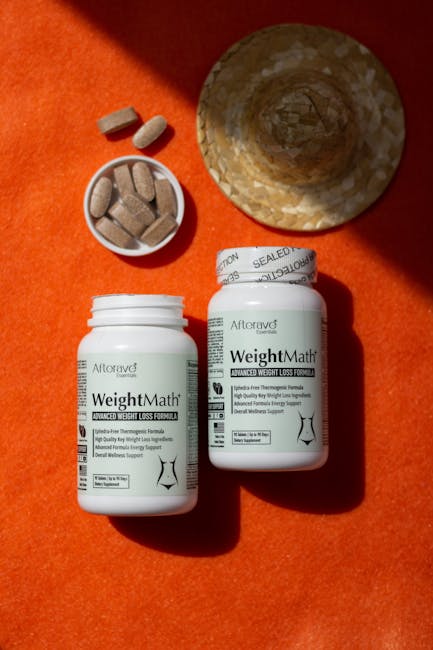
Introduction: The Appeal and Challenges of Weight Loss Supplements
Many individuals seek effective solutions for weight loss, often turning to the vast and often confusing market of dietary supplements. However, the allure of quick fixes can lead to significant health risks if not approached with caution and knowledge. Making informed decisions is paramount for your health and safety when considering any weight loss aid.
Understanding Different Categories of Weight Loss Supplements
The weight loss supplement market is diverse, with products designed to target various aspects of metabolism and appetite. Understanding these categories can help you discern their purported mechanisms of action and potential effectiveness.
Fat Burners
Fat burners are typically formulated to increase metabolism and promote the oxidation of fat through a process called thermogenesis. These supplements often contain stimulants and other compounds intended to boost energy expenditure, ideally leading to greater calorie burning.
Appetite Suppressants
These products aim to reduce hunger and overall caloric intake by influencing satiety signals in the body. They may contain ingredients that promote a feeling of fullness or modulate hormones involved in appetite regulation.
Carb Blockers & Fat Blockers
Carbohydrate blockers and fat blockers are designed to interfere with the absorption of dietary carbs and fats. Their intended function is to reduce the number of calories your body takes in from the food you eat, preventing their storage as fat.
Metabolism Boosters
Metabolism boosters often contain ingredients believed to enhance the body’s metabolic rate. A higher metabolic rate means more calories are burned at rest, which proponents claim can contribute to weight loss over time.
Key Ingredients: What to Look For and What to Be Wary Of
The effectiveness and safety of a weight loss supplement largely depend on its ingredients. It is crucial to distinguish between components with scientific support and those lacking robust evidence or posing potential health risks.
Ingredients with Scientific Backing
Some ingredients have been more thoroughly researched for their roles in weight management. These often work by modestly supporting metabolic processes or promoting satiety.
- Green Tea Extract: Rich in catechins, particularly EGCG, which may enhance fat oxidation and thermogenesis. According to a meta-analysis published in the *British Journal of Nutrition* (2023), green tea extract supplementation was associated with a modest reduction in body weight by approximately 0.65 kg.
- Caffeine: A well-known stimulant that can boost metabolism and increase fat burning, though its effects are often modest and vary individually.
- Fiber: Dietary fiber can promote satiety, reduce calorie intake, and support healthy digestion, playing a significant role in overall weight management.
- Protein: Adequate protein intake can help preserve muscle mass during weight loss, increase satiety, and has a higher thermic effect compared to fats and carbohydrates.
Ingredients with Mixed or Limited Evidence
Certain ingredients are widely marketed but have inconsistent or insufficient scientific evidence to support their efficacy for significant weight loss. These include compounds like:
- Garcinia Cambogia: While popular, studies on its primary active component, hydroxycitric acid (HCA), have shown inconsistent results for human weight loss.
- Raspberry Ketones: Research supporting its use for weight loss in humans is largely limited and inconclusive, with most studies conducted on animals or in vitro.
Harmful or Banned Ingredients
A significant concern in the supplement industry is the presence of undisclosed or harmful ingredients. These can include excessive stimulants, prescription drugs, or substances banned by regulatory bodies, posing serious health risks.
Evaluating Efficacy and Safety: What the Science Says
The critical role of independent clinical studies and peer-reviewed scientific research cannot be overstated when assessing weight loss supplements. Many products lack rigorous scientific validation for their claims.
A critical review in the *Journal of Ethics of the American Medical Association* (2022) highlighted that the FDA does not approve nonprescription weight loss supplements for safety or efficacy, noting that many products show little proven benefit and carry potential risks. It is essential to acknowledge the reality of individual variations in response to supplements, as what might have a minor effect for one person could be ineffective for another. Always consider potential side effects, adverse reactions, and interactions with any medications you are taking.
Red Flags to Watch Out For When Choosing a Weight Loss Supplement
Being a discerning consumer is vital to avoid ineffective or harmful products. Watch out for these common warning signs:
Exaggerated and Unrealistic Claims
Be skeptical of promises for rapid, effortless, or guaranteed weight loss without any changes to diet or exercise. Sustainable weight loss is a gradual process.
Lack of Transparency
Products that use “proprietary blends” with undisclosed ingredient dosages or provide insufficient product information can be problematic. You should know exactly what you’re consuming.
Consistent Poor Customer Reviews
Widespread negative feedback, including complaints about ineffectiveness, severe side effects, or “scam” accusations, should be a major deterrent. Research platforms like Trustpilot for user experiences.
High-Pressure Sales Tactics
Marketing strategies that create urgency, such as “limited-time offers,” “exclusive deals,” or fear-mongering about health, are often designed to bypass rational decision-making.
Difficult Refund Policies or Lack of Money-Back Guarantees
Reputable companies typically offer clear and consumer-friendly return policies. Be wary of products with confusing refund processes or no money-back guarantee.
The Importance of a Holistic Approach to Weight Management
Weight loss supplements should never replace the fundamental pillars of a healthy lifestyle. Sustainable and long-term weight management is built upon consistent, positive daily choices.
These foundational pillars include:
- Balanced Diet: Focus on whole, unprocessed foods, lean proteins, fruits, and vegetables.
- Regular Exercise: Incorporate a mix of cardiovascular activities and strength training.
- Healthy Lifestyle Choices: Ensure adequate sleep, manage stress, and stay hydrated.
Supplements should be considered potential adjuncts that might offer minor support, not a replacement for these crucial habits. Always consult healthcare professionals, such as a doctor or a registered dietitian, before starting any new supplement regimen to ensure it is appropriate and safe for your individual health needs and conditions.
Conclusion: Making Informed Choices for Your Health Journey
Navigating the complex world of weight loss supplements requires careful consideration and a critical eye. By understanding different categories, scrutinizing ingredients, prioritizing scientific evidence, and recognizing red flags, you can make informed decisions. Remember that a holistic approach centered on diet, exercise, and professional guidance remains the most effective and sustainable path to achieving and maintaining a healthy weight.