Struggling with persistent fat and slow recovery after workouts can be incredibly frustrating, hindering your fitness goals and overall well-being. Peptide therapy offers a cutting-edge solution by utilizing specific amino acid chains to naturally stimulate various bodily functions, promoting more efficient fat loss and accelerated muscle repair. This guide explores how these powerful compounds work to help you achieve a leaner physique and bounce back faster.
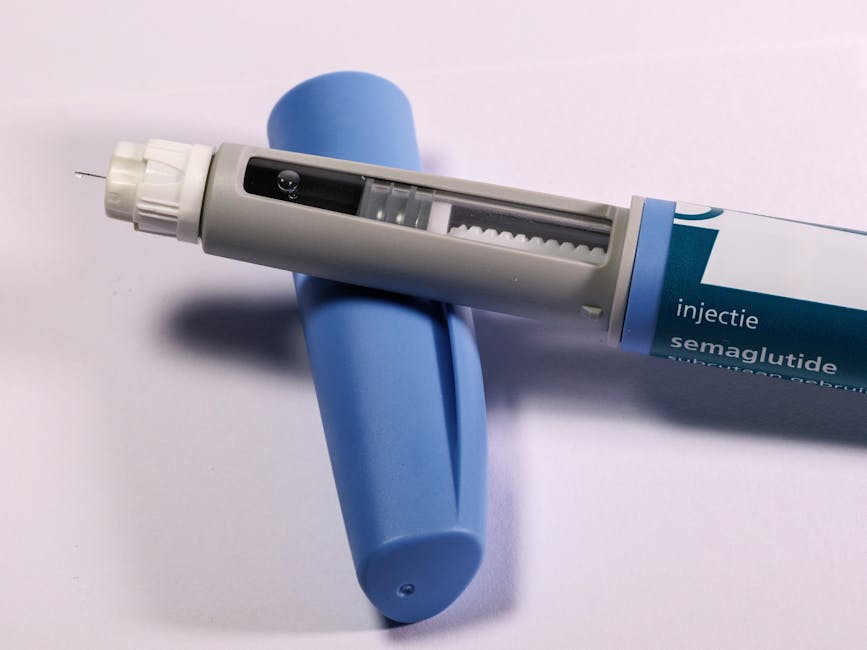
What is Peptide Therapy?
Peptide therapy involves using short chains of amino acids, known as peptides, which act as signaling molecules in the body. These natural compounds play crucial roles in regulating countless biological processes, from hormone production to immune function.
Synthetic peptides are designed to mimic the action of naturally occurring peptides, binding to specific receptors and triggering desired responses. This targeted approach allows for precise manipulation of bodily functions, offering therapeutic potential for a range of conditions, including those related to body composition and recovery.
The Science Behind Peptides for Fat Loss
Certain peptides can significantly influence your body’s metabolism and ability to burn fat. They often work by stimulating the release of natural growth hormone (GH) from the pituitary gland, which is a powerful lipolytic (fat-burning) hormone.
This increased GH can enhance fat breakdown, improve glucose metabolism, and promote a more favorable body composition. Other peptides may directly target adipose tissue, encouraging the release of stored fat for energy, thereby contributing to significant fat reduction.
Peptides and Muscle Recovery & Growth
Beyond fat loss, peptides are also recognized for their remarkable ability to aid in tissue repair and regeneration, making them invaluable for muscle recovery and growth. They can stimulate protein synthesis, the process by which your body builds new muscle tissue, and reduce inflammation following intense exercise or injury.
By enhancing cellular repair mechanisms and promoting the natural healing cascade, peptides help athletes and active individuals recover faster. This improved recovery not only reduces downtime but also supports consistent training, leading to better muscle adaptation and growth over time.
Common Peptides Used for Fat Loss and Muscle Recovery
A variety of peptides are utilized in therapeutic settings, each with unique mechanisms and benefits. Understanding the different types can help clarify their potential applications in your health regimen.
Growth Hormone-Releasing Peptides (e.g., GHRP-2, GHRP-6, Ipamorelin, Sermorelin)
- These peptides stimulate the pituitary gland to release more natural growth hormone.
- Benefits include improved body composition, increased muscle mass, and enhanced fat metabolism.
Fat-Burning Peptides (e.g., CJC-1295, AOD-9604)
- CJC-1295 promotes sustained growth hormone release, which can lead to long-term fat reduction and muscle development.
- AOD-9604 specifically targets fat cells, promoting the breakdown of stored fat without affecting blood sugar levels.
Muscle Repair Peptides (e.g., BPC-157, TB-500)
- BPC-157 is known for its remarkable healing properties, accelerating recovery from muscle, tendon, and ligament injuries.
- TB-500 supports cellular repair and regeneration, reducing inflammation and improving flexibility and recovery across various tissues.
Benefits of Peptide Therapy
The strategic use of peptides can unlock a cascade of benefits for individuals seeking to optimize their health and physical performance. These advantages span across several key areas of well-being.
- Improved body composition: Many users experience a significant reduction in body fat and an increase in lean muscle mass.
- Enhanced recovery: Peptides can dramatically speed up healing from exercise-induced muscle damage and injuries, reducing downtime.
- Increased energy levels: By optimizing cellular functions, peptides often contribute to greater vitality and sustained energy throughout the day.
- Potential anti-aging effects: Some peptides are believed to combat cellular aging, leading to improvements in skin elasticity, sleep quality, and overall youthful vigor.
Considerations and Potential Side Effects
While peptide therapy holds significant promise, it is crucial to approach it with careful consideration and under professional guidance. The administration of peptides typically involves subcutaneous injections, which must be performed correctly to ensure efficacy and minimize risks.
Potential side effects, though generally mild, can include injection site reactions like redness or swelling, temporary water retention, or increased appetite, especially with GH-releasing peptides. Always prioritize medical supervision to determine the appropriate dosage and monitor for any adverse reactions, ensuring your safety and the effectiveness of the treatment.
Is Peptide Therapy Right for You?
Deciding if peptide therapy is suitable for your individual needs requires a thorough assessment of your health status and goals. Ideal candidates are typically individuals looking for advanced support in fat loss, muscle recovery, or overall anti-aging, who have already established healthy lifestyle habits.
It is paramount to consult with a qualified healthcare professional, such as an endocrinologist or a functional medicine doctor, before beginning any peptide regimen. They can provide personalized advice, conduct necessary diagnostic tests, and ensure the therapy aligns with your health profile and expectations, setting realistic goals for your journey.
Conclusion: The Future of Peptides in Health and Wellness
Peptide therapy represents an exciting frontier in health and wellness, offering targeted solutions for challenges ranging from stubborn fat to prolonged muscle recovery. Its ability to harness the body’s natural signaling pathways provides a sophisticated approach to optimizing physiological functions.
As research continues to advance, the potential applications and understanding of peptides are only expected to grow, promising even more refined and effective treatments in the future. Always remember that while promising, peptide therapy should be pursued responsibly and under expert medical guidance to maximize benefits and ensure safety.