Suffering from brain fog or a dip in mental clarity can be frustrating, impacting daily focus and memory. Many seek natural ways to enhance cognitive function and protect brain health as they age. Lion’s Mane mushroom (Hericium erinaceus) is gaining recognition for its unique compounds that may support neurogenesis and overall cognitive vitality.
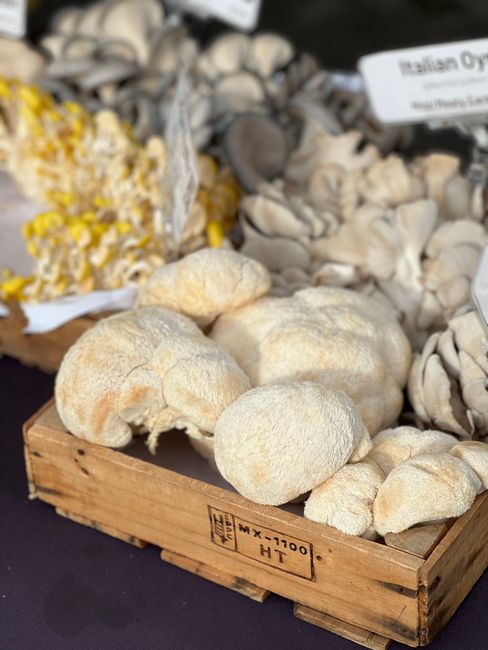
What is Lion’s Mane Mushroom?
Lion’s Mane mushroom is a unique edible fungus known for its shaggy, white appearance resembling a lion’s mane, hence its name. It has been revered for centuries in traditional Eastern medicine, particularly in China and Japan, for its purported health benefits.
This remarkable mushroom contains potent bioactive compounds, primarily hericenones and erinacines. These specific compounds are believed to be responsible for many of its beneficial effects on the brain and nervous system.
The Science Behind Lion’s Mane and Cognitive Function
Emerging research suggests Lion’s Mane mushroom may offer significant support for cognitive function through several key mechanisms. Its unique compounds interact with the brain in ways that promote neuronal health and connectivity.
Neurogenesis: Stimulating Nerve Growth Factor
The star compounds, hericenones and erinacines, are particularly noted for their potential to stimulate the production of Nerve Growth Factor (NGF). NGF is a crucial protein that plays a vital role in the growth, maintenance, and survival of neurons.
By promoting NGF synthesis, Lion’s Mane might contribute to neurogenesis, the process of generating new brain cells. This process is fundamental for learning, memory, and repairing neural pathways, offering a foundational benefit for brain health.
Brain Plasticity and Neuronal Health
NGF also supports brain plasticity, which is the brain’s ability to reorganize itself by forming new neural connections throughout life. This adaptability is critical for cognitive functions such as learning and memory.
Preliminary studies indicate that the mushroom’s active ingredients may enhance the differentiation and growth of neurons. This contributes to a more robust and efficient neural network, vital for optimal brain performance.
Anti-inflammatory and Antioxidant Properties
Beyond its impact on NGF, Lion’s Mane exhibits notable anti-inflammatory and antioxidant properties. Chronic inflammation and oxidative stress are known contributors to cognitive decline and neurodegenerative diseases.
By helping to combat these damaging processes, Lion’s Mane may protect brain cells from damage. This protective action is crucial for maintaining long-term brain health and preserving cognitive functions as we age.
Specific Cognitive Benefits Explored
The potential cognitive enhancements attributed to Lion’s Mane mushroom span across several key areas of brain function. While more extensive human trials are ongoing, current findings are promising.
Memory Enhancement
Many individuals seek Lion’s Mane for its potential to improve memory. Research, particularly in animal models and some preliminary human studies, suggests it may enhance both short-term and long-term memory recall.
The proposed mechanism involves its support for synaptic health and improved neuronal communication. Stronger synaptic connections facilitate more efficient information processing and storage in the brain.
Improved Focus and Concentration
Another frequently reported benefit is an improvement in mental clarity and focus. Users often describe a reduction in “brain fog,” leading to enhanced concentration and sustained attention.
This effect might be attributed to the overall neurotrophic support provided by the mushroom. A healthier, more active neural network can translate into better executive functions and cognitive performance.
Mood Regulation and Stress Reduction
Lion’s Mane may also possess adaptogenic qualities, meaning it could help the body adapt to stress. Some studies have explored its potential impact on anxiety and depressive-like behaviors, suggesting a role in mood regulation.
While not a direct treatment for mental health conditions, its neuroprotective and anti-inflammatory effects might indirectly support a balanced mood. It’s thought to potentially influence pathways related to stress response.
Neuroprotective Effects
Given its ability to stimulate NGF and reduce oxidative stress, Lion’s Mane is increasingly studied for its neuroprotective effects. This makes it a compound of interest in the context of age-related cognitive decline.
By safeguarding neurons and promoting their regeneration, the mushroom may help maintain cognitive vitality longer. It’s viewed as a natural supplement that could contribute to brain longevity and resilience.
How to Incorporate Lion’s Mane into Your Routine
Integrating Lion’s Mane into your daily routine is relatively straightforward, given its various available forms. Always consider starting with a lower dose and observing your body’s response.
Forms Available
Lion’s Mane is widely available in several convenient forms:
- Powder: Can be added to smoothies, coffee, tea, or food.
- Capsules: A popular and easy-to-dose option.
- Tinctures: Liquid extracts for quick absorption.
- Fresh/Dried Mushroom: Can be cooked and consumed like other culinary mushrooms.
Dosage Considerations
There is no universally standardized dosage, as it can vary based on the product’s concentration and individual needs. However, common dosages in supplements range from 500 mg to 3,000 mg per day.
It is always recommended to consult a healthcare professional before starting any new supplement, especially if you have underlying health conditions or are taking other medications. They can provide personalized guidance.
Safety and Side Effects
Lion’s Mane mushroom is generally considered safe for most people. Side effects are rare but can include digestive discomfort in sensitive individuals, such as mild stomach upset.
If you experience any adverse reactions, discontinue use and consult your doctor. Pregnant or breastfeeding women and individuals with bleeding disorders should exercise caution and seek medical advice prior to use.
Important Considerations and Future Research
While the potential benefits of Lion’s Mane are exciting, it’s crucial to approach its use with a balanced perspective. The scientific journey to fully understand its effects is ongoing.
Current research, though promising, often involves *in vitro* studies or animal models. More large-scale, placebo-controlled human clinical trials are needed to definitively establish its efficacy and optimal dosages for various cognitive benefits.
Managing expectations regarding immediate or dramatic results is important. Supplements work best as part of a holistic approach to brain health, which includes a balanced diet, regular exercise, adequate sleep, and mental stimulation.
Conclusion
Lion’s Mane mushroom stands out as a fascinating natural compound with significant potential for supporting overall brain health and cognitive function. Its unique ability to stimulate Nerve Growth Factor and offer neuroprotective benefits positions it as a promising natural enhancer.
From potentially aiding memory and focus to offering neuroprotection, Lion’s Mane is garnering attention for good reason. As research continues to evolve, its role in promoting long-term cognitive vitality becomes increasingly clear.
We encourage you to conduct further personal research and consult with health professionals to determine if Lion’s Mane mushroom is a suitable addition to your wellness regimen for supporting brain health.