Many individuals are constantly seeking natural ways to enhance their brain function and mental clarity. As modern life often presents challenges to optimal cognitive performance, interest in natural solutions like medicinal mushrooms has grown significantly. Lion’s Mane mushroom (Hericium erinaceus) stands out for its potential to support memory, focus, and overall brain health, primarily by stimulating crucial nerve growth factors.
This comprehensive guide delves into the fascinating world of Lion’s Mane mushroom, exploring its unique properties, key bioactive compounds, and the science-backed cognitive benefits it may offer. We’ll also cover practical ways to incorporate it into your diet and essential safety considerations.
What is Lion’s Mane Mushroom?
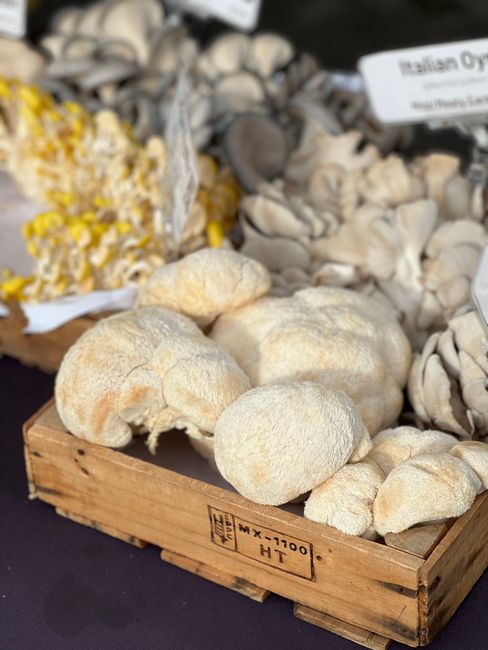
Lion’s Mane mushroom, scientifically known as Hericium erinaceus, is a unique fungus with a distinct appearance resembling a white, shaggy waterfall or a lion’s mane, hence its common name. It is also known as Hedgehog Mushroom or Yamabushitake, particularly in Eastern medicine.
This remarkable mushroom naturally grows on the trunks of hardwood trees in North America, Europe, and Asia. Due to its increasing popularity for both culinary and medicinal uses, it is now widely cultivated across the globe in controlled environments.
Key Bioactive Compounds in Lion’s Mane
The impressive health benefits of Lion’s Mane mushroom are attributed to its rich array of bioactive compounds. Two primary groups of these compounds are particularly noted for their neuroprotective and neuroregenerative properties.
Hericenones
Hericenones are compounds primarily found in the fruiting body of the Lion’s Mane mushroom. Research suggests that these compounds play a significant role in inducing the production of Nerve Growth Factor (NGF) within the brain, which is crucial for neuronal health.
Erinacines
Erinacines are another group of powerful compounds unique to Lion’s Mane, found predominantly in its mycelium (the root-like structure of the mushroom). These compounds are particularly noteworthy for their ability to cross the blood-brain barrier, directly stimulating NGF synthesis within brain cells.
Polysaccharides and Other Beneficial Compounds
Beyond hericenones and erinacines, Lion’s Mane mushroom also contains beneficial polysaccharides, beta-glucans, and antioxidants. These compounds contribute to its overall health-supporting profile, including immune system modulation and anti-inflammatory effects.
Cognitive Benefits of Lion’s Mane Mushroom
Lion’s Mane mushroom has garnered significant attention for its potential to enhance cognitive function and support overall brain health. The mechanisms behind these benefits are closely linked to its unique bioactive compounds.
Neurogenesis and Brain Health
One of the most exciting aspects of Lion’s Mane is its potential role in neurogenesis, the growth and development of nervous tissue. Nerve Growth Factor (NGF) is a protein vital for the growth, maintenance, and survival of neurons in the central and peripheral nervous systems.
The hericenones and erinacines in Lion’s Mane are believed to stimulate the brain’s natural production of NGF. This stimulation may contribute to the repair and regeneration of brain cells, potentially supporting brain plasticity and overall neurological function.
Improved Memory and Focus
Emerging research indicates that Lion’s Mane may help improve various aspects of cognitive function, including memory and focus. Studies, primarily in animal models and some human preliminary trials, suggest benefits for spatial memory and recognition.
This mushroom may also positively impact concentration and mental clarity by supporting optimal neuronal health. By fostering a healthier environment for brain cells, Lion’s Mane could help individuals maintain sharper cognitive abilities.
Protection Against Neurodegenerative Diseases
Lion’s Mane mushroom possesses significant antioxidant and anti-inflammatory properties. These properties are crucial in combating oxidative stress and chronic inflammation, which are contributing factors to age-related cognitive decline and neurodegenerative conditions.
While not a cure or treatment, the mushroom’s protective effects on neurons and its ability to reduce inflammation suggest a potential role in supporting brain resilience against conditions like Alzheimer’s and Parkinson’s disease, without making specific medical claims.
Mood Regulation and Stress Reduction
Beyond direct cognitive benefits, some research explores Lion’s Mane’s potential links to mood regulation and stress reduction. It may help in reducing symptoms of mild anxiety and depression, possibly through its effects on neuronal pathways and inflammation.
By supporting overall brain health and potentially modulating neurotransmitter systems, Lion’s Mane could contribute to a more balanced emotional state and enhanced resilience to psychological stress.
Other Potential Health Benefits
While its cognitive benefits are prominent, Lion’s Mane mushroom offers a spectrum of other potential health advantages:
- Immune System Support: Its polysaccharides may help modulate and strengthen the immune response.
- Anti-inflammatory Properties: Compounds in Lion’s Mane can help reduce systemic inflammation throughout the body.
- Gut Health Benefits: Research suggests it may promote the growth of beneficial gut bacteria and protect against digestive issues.
- Cardiovascular Health: Some studies indicate it could help manage cholesterol levels and reduce the risk of blood clots.
How to Incorporate Lion’s Mane into Your Diet
Lion’s Mane mushroom is versatile and can be enjoyed in various forms, making it easy to integrate into your daily routine. Understanding the different options allows you to choose the best fit for your lifestyle and preferences.
Forms of Lion’s Mane
- Fresh Mushroom: The whole mushroom can be cooked and eaten, offering a mild, seafood-like flavor and meaty texture.
- Dried Powder: Often made from the dried and ground fruiting body or mycelium, suitable for adding to smoothies, coffee, or meals.
- Extracts: Available as liquid tinctures or concentrated powders, these are potent forms often standardized for bioactive compounds.
- Capsules: Convenient for daily supplementation, providing a precise dose without the taste of the mushroom.
Culinary Uses
When cooked, fresh Lion’s Mane has a delicious umami flavor with notes of crab or lobster. It can be sautéed with garlic and butter, added to stir-fries, soups, or even used as a meat substitute in vegetarian dishes. Its unique texture holds up well to various cooking methods.
Dosage and Safety Considerations
While generally considered safe, it’s important to approach Lion’s Mane supplementation with an understanding of typical dosages and precautions. Always prioritize quality sourcing and professional advice.
General Recommended Dosages
Dosages can vary significantly depending on the form of Lion’s Mane (fresh, powder, extract, capsules) and the concentration of its active compounds. For dried powder or extract, common dosages range from 500 mg to 3,000 mg per day, often split into multiple doses.
It is always best to start with a lower dose and gradually increase it while monitoring your body’s response. The optimal dosage for individual needs may differ, and consistency is often key to experiencing potential benefits.
Importance of Consulting a Healthcare Professional
Before starting any new supplement, including Lion’s Mane, it is highly recommended to consult with a healthcare professional. This is especially important if you have existing medical conditions, are pregnant or breastfeeding, or are taking other medications.
Quality and Sourcing Considerations
The quality of Lion’s Mane supplements can vary widely. Look for products from reputable brands that provide transparency about their sourcing, extraction methods, and third-party testing for purity and potency. Opt for products that specify the concentration of key compounds like polysaccharides, hericenones, or erinacines.
Potential Side Effects and Precautions
Lion’s Mane is generally well-tolerated by most individuals, but like any supplement, it can have potential side effects or contraindications in rare cases.
Mild Digestive Discomfort
Some individuals may experience mild digestive issues such as stomach upset, bloating, or diarrhea, especially when first starting or taking high doses. These effects are usually temporary and can often be mitigated by reducing the dose or taking it with food.
Allergic Reactions
While rare, allergic reactions to mushrooms are possible. If you have a known mushroom allergy, you should avoid Lion’s Mane. Symptoms could include skin rash, itching, or respiratory difficulties.
Contraindications
Individuals who are pregnant or breastfeeding should avoid Lion’s Mane due to a lack of sufficient research on its safety in these populations. People with existing medical conditions, particularly those on blood thinners or diabetes medication, should consult their doctor as Lion’s Mane may interact with these medications. It’s crucial to discuss all supplements with your healthcare provider to avoid adverse interactions.
Conclusion
Lion’s Mane mushroom presents a compelling natural option for those seeking to support their cognitive health and overall well-being. Its unique bioactive compounds, hericenones and erinacines, are believed to stimulate nerve growth factor, offering potential benefits for neurogenesis, memory, focus, and protection against age-related cognitive decline.
While research continues to uncover the full spectrum of its benefits, the existing evidence is promising. Incorporating Lion’s Mane into your wellness routine, whether through culinary uses or high-quality supplements, could be a valuable step toward nurturing your brain health. Always remember to consult with a healthcare professional before beginning any new supplement regimen to ensure it’s appropriate for your individual health needs.