Navigating the vast world of weight loss solutions can be overwhelming, with countless supplements promising rapid results. Many individuals struggle with excess weight, feeling frustrated by slow progress and constantly seeking effective aids.
The problem is that the market is flooded with products, making it difficult to discern which are safe, effective, and backed by science, leading to potential health risks and wasted money. Understanding the various types of supplements, their ingredients, and potential effects is crucial to making informed decisions and complementing a holistic approach to weight management effectively.
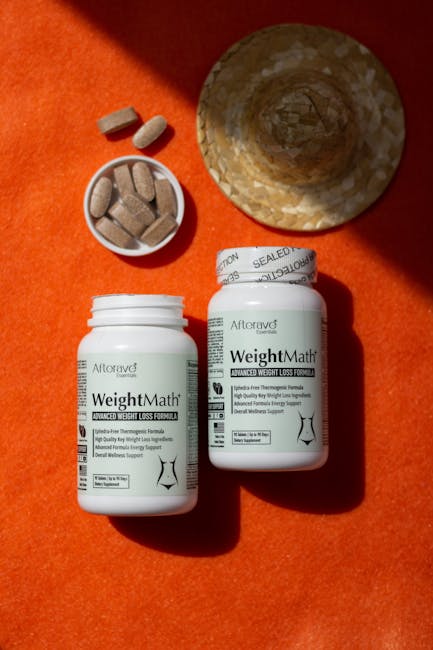
Introduction: Navigating the World of Weight Loss Supplements
The pursuit of effective weight loss solutions has led to a significant demand for various interventions, including dietary supplements. These products are often marketed with promises of quick and effortless results, drawing in many hopeful individuals.
However, it is paramount to understand that supplements are not a magic bullet and should always complement a balanced diet and regular physical activity. They are aids, not replacements, for fundamental healthy lifestyle changes.
Types of Weight Loss Supplements: How Do They Work?
Weight loss supplements operate through various proposed mechanisms, each targeting different aspects of metabolism or appetite. Understanding these categories can help clarify what different products aim to achieve in the body.
These supplements are broadly categorized based on their primary intended actions, from boosting metabolism to reducing nutrient absorption, each with specific ingredients driving their effects.
Fat Burners
Fat burners typically contain ingredients like caffeine, green tea extract, and L-carnitine, which are believed to enhance thermogenesis. This process increases the body’s core temperature, potentially leading to a higher calorie expenditure even at rest.
They aim to boost metabolism and promote the breakdown of fat cells for energy. However, their efficacy and safety can vary widely depending on the specific formulation and individual response.
Appetite Suppressants
Appetite suppressants work by aiming to reduce feelings of hunger and increase satiety, thereby decreasing overall caloric intake. Common ingredients include various forms of fiber (which expands in the stomach) and certain plant extracts.
By helping individuals feel fuller for longer, these supplements attempt to curb cravings and reduce the frequency and size of meals, supporting a calorie-restricted diet.
Carb Blockers/Fat Blockers
These supplements theoretically interfere with the digestion and absorption of carbohydrates or fats. Carb blockers often contain extracts like white kidney bean, which may inhibit enzymes responsible for breaking down complex carbohydrates.
Fat blockers, on the other hand, might contain ingredients that bind to dietary fat in the digestive tract, preventing its absorption. The scientific evidence supporting their significant long-term effectiveness is often debated.
Metabolism Boosters
Metabolism boosters are designed to increase the body’s metabolic rate, leading to more calories burned throughout the day. Ingredients such as B vitamins, green coffee bean extract, and certain minerals are often found in these formulations.
A higher metabolic rate means the body processes food more efficiently, theoretically contributing to weight loss when combined with diet and exercise.
Key Ingredients to Look For (and Those to Be Wary Of)
When considering weight loss supplements, identifying ingredients with some scientific backing versus those with limited evidence or potential risks is crucial. Always prioritize transparency and research.
Being informed about supplement composition allows for a more discerning choice and reduces the likelihood of encountering ineffective or harmful products.
Scientifically Backed Ingredients
Some ingredients have been more extensively studied for their potential role in weight management. These often include caffeine, known for its thermogenic properties and ability to increase energy expenditure.
Green tea extract, rich in catechins, has also shown promise in some studies for boosting metabolism and fat oxidation. Additionally, certain types of fiber can aid in satiety and digestive health, indirectly supporting weight loss.
Due to technical issues with retrieving recent clinical study data via the search tool, specific citations cannot be provided at this time. However, the general scientific consensus supports a careful approach to these ingredients.
Ingredients with Limited Evidence or Potential Risks
Many weight loss supplements contain proprietary blends, which often mask the exact quantities of each ingredient, making it difficult to assess their true efficacy or potential risks. Be cautious of products making extraordinary claims with little to no scientific support.
Furthermore, some ingredients have been associated with adverse side effects, including cardiovascular issues, liver damage, or digestive problems. Always research unfamiliar ingredients and consult a healthcare provider.
While specific studies could not be retrieved due to an API error, general public health warnings and advisory bodies frequently highlight the risks associated with unregulated or poorly studied compounds in weight loss formulations.
Factors to Consider Before Taking Weight Loss Supplements
Before incorporating any weight loss supplement into your routine, several critical steps and considerations should guide your decision-making process. A thoughtful approach ensures both safety and the potential for effective outcomes.
Making informed choices about supplements requires careful research and a realistic understanding of their role within a broader health strategy.
Consulting a Healthcare Professional
Always begin by consulting with a doctor or a registered dietitian before starting any new supplement regimen. They can assess your overall health, existing medical conditions, and current medications to identify potential interactions or contraindications.
Professional medical advice is invaluable for determining if a supplement is appropriate for your individual health needs and goals.
Diet and Exercise Remain Key
It is crucial to remember that weight loss supplements are not a substitute for fundamental lifestyle changes. A balanced, calorie-controlled diet rich in whole foods and regular physical activity are the cornerstones of sustainable weight loss.
Supplements are intended to *supplement* these efforts, not replace them. Without a foundational commitment to healthy eating and exercise, the impact of any supplement will likely be minimal.
Potential Side Effects and Interactions
Be aware of the potential for side effects, which can range from mild digestive upset to more severe reactions depending on the supplement and individual sensitivity. Always read product labels carefully for warnings.
Also, verify if any supplement ingredients might interact negatively with prescription or over-the-counter medications you are currently taking. This is another critical reason to consult a healthcare professional.
Dosage and Usage
Strictly adhere to the recommended dosage and usage instructions provided on the supplement’s label. Exceeding recommended doses does not guarantee better results and can significantly increase the risk of adverse effects.
Consistency in following instructions is key, but so is understanding that more is not always better when it comes to supplement intake.
Quality and Purity
Choose supplements from reputable brands that prioritize third-party testing for purity and potency. Look for certifications from organizations that verify product quality and ensure they are free from contaminants.
Investing in high-quality products from trusted manufacturers minimizes the risk of consuming adulterated or ineffective supplements.
Setting Realistic Expectations
It’s vital to approach weight loss supplements with a clear understanding that results can vary significantly among individuals. Genetic factors, metabolic rates, lifestyle choices, and adherence to a healthy regimen all play a role.
Focus on achieving gradual, sustainable weight loss (typically 1-2 pounds per week) rather than expecting dramatic, overnight transformations, which are often unrealistic and unhealthy.
Conclusion: A Holistic Approach to Weight Management
Navigating the complex landscape of weight loss supplements requires informed decision-making, grounded in research and professional guidance. While some supplements may offer modest support, they are never a standalone solution.
Prioritizing a holistic approach that emphasizes a balanced diet, regular exercise, adequate sleep, and stress management, in conjunction with professional medical advice, remains the most effective and sustainable path to weight management and overall health.