Struggling with weight loss can be frustrating, often leading individuals to seek quick fixes. While numerous weight loss supplements promise significant results, understanding their mechanisms and potential impact is crucial for informed decision-making. This guide will help you navigate the complex world of weight loss aids, empowering you to make choices that support your health journey safely and effectively.
What are Weight Loss Supplements?
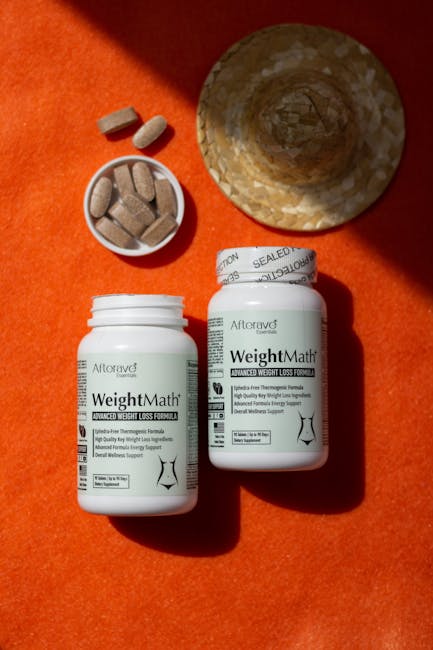
Weight loss supplements encompass a wide array of products designed to aid in reducing body weight. These can include pills, powders, liquids, or bars that contain various ingredients believed to enhance metabolism, suppress appetite, or block fat absorption. They are typically available over-the-counter and marketed to support weight management efforts.
The Growing Popularity and Market
The market for weight loss supplements has experienced significant growth, driven by increasing health consciousness and the desire for effective weight management solutions. Millions of people worldwide turn to these products annually, reflecting a global trend towards seeking supplemental support for fitness goals. This widespread appeal highlights the constant search for methods to achieve and maintain a healthy weight.
Importance of Informed Decisions
Given the vast number of products available, making an informed decision about weight loss supplements is paramount. Not all supplements are created equal, and some may carry risks or interact with medications. Understanding the science behind these products and consulting healthcare professionals are critical steps to ensure safety and efficacy.
Types of Weight Loss Supplements
Weight loss supplements can be categorized by their primary mechanism of action. Each type offers a different approach to supporting weight reduction, targeting various physiological processes. Recognizing these categories can help you understand how a particular supplement might work.
Appetite Suppressants
These supplements work by reducing feelings of hunger, which can lead to a lower caloric intake. Common ingredients often include fiber-rich compounds that expand in the stomach or stimulants that affect satiety signals in the brain. Examples often feature glucomannan or certain herbal extracts.
Fat Burners
Fat burners aim to increase the body’s metabolism and enhance fat oxidation, encouraging the body to use stored fat for energy. Ingredients like caffeine, green tea extract, and L-carnitine are frequently found in these formulations. They often stimulate thermogenesis, leading to increased calorie expenditure.
Carb Blockers
Carb blockers are designed to inhibit the enzymes responsible for digesting carbohydrates, thereby reducing the absorption of dietary starches. This can lead to fewer calories being absorbed from carbohydrate-rich foods. White kidney bean extract is a popular ingredient in this category.
Fat Blockers
Similar to carb blockers, fat blockers prevent the absorption of dietary fat in the digestive tract. They work by inhibiting lipase, an enzyme necessary for breaking down fats, allowing undigested fat to pass through the body. Chitosan is an example of an ingredient often used as a fat blocker.
Metabolism Boosters
These supplements aim to increase the body’s resting metabolic rate, meaning you burn more calories even at rest. Ingredients like capsaicin, green coffee bean extract, and certain B vitamins are often included. A higher metabolism can contribute to more efficient weight loss over time.
Other Categories (e.g., probiotics for weight management)
Beyond these primary types, other supplements offer unique approaches to weight management. Probiotics, for instance, are gaining attention for their role in gut health and its potential influence on metabolism and weight. They work by promoting a healthy balance of gut bacteria, which may affect how the body stores fat and processes food.
How Weight Loss Supplements Work (General Mechanisms)
Understanding the general mechanisms behind weight loss supplements is key to appreciating their potential effects. These products typically act on one or more biological pathways involved in energy balance. Their efficacy often depends on the specific ingredients and how they interact within the body.
Increasing Metabolism
Many weight loss supplements aim to boost the metabolic rate. This means the body burns more calories throughout the day, even when at rest. Ingredients like caffeine and green tea catechins are known to have thermogenic properties, which contribute to this effect.
Reducing Fat Absorption
Some supplements interfere with the body’s ability to absorb dietary fats, allowing them to pass through the digestive system without being stored. This mechanism can reduce the total calorie intake from meals. Fiber-based products and specific extracts can achieve this effect.
Suppressing Appetite
Appetite suppressants work by promoting feelings of fullness or reducing hunger cravings. This leads to a natural decrease in food intake and, consequently, fewer calories consumed. Soluble fibers that expand in the stomach are effective at creating satiety.
Enhancing Fat Oxidation
This mechanism involves encouraging the body to utilize its fat stores for energy more efficiently. Supplements that enhance fat oxidation may help mobilize stored fat, making it available for burning. L-carnitine is often cited for its role in transporting fatty acids into mitochondria for energy production.
Modulating Hormones
Certain supplements may influence hormones related to appetite, metabolism, and fat storage, such as leptin, ghrelin, or insulin. By balancing these hormonal signals, supplements can potentially impact hunger, satiety, and the body’s tendency to store fat. However, this area often requires more targeted research.
Key Ingredients Often Found in Weight Loss Supplements
The effectiveness of a weight loss supplement largely depends on its active ingredients. Consumers should be familiar with common ingredients and their purported functions. This knowledge helps in evaluating product claims and understanding potential effects.
Stimulants (e.g., caffeine, green tea extract)
Stimulants like caffeine and green tea extract are popular for their ability to increase energy expenditure and promote fat burning. Caffeine can boost metabolism and reduce appetite, while green tea extract contains catechins that enhance thermogenesis. However, excessive intake can lead to jitters or sleep disturbances.
Fiber (e.g., glucomannan)
Fiber-rich ingredients such as glucomannan are excellent for promoting satiety and reducing calorie intake. Glucomannan, a soluble fiber, absorbs water and expands in the stomach, creating a feeling of fullness. This helps in controlling portion sizes and reducing hunger pangs between meals.
Herbal Extracts (e.g., garcinia cambogia)
Herbal extracts like garcinia cambogia are often included for their potential to inhibit fat production and suppress appetite. Garcinia cambogia contains hydroxycitric acid (HCA), which is believed to block an enzyme involved in converting carbohydrates into fat. While popular, scientific evidence on its efficacy remains mixed.
Vitamins and Minerals
Vitamins and minerals play crucial roles in metabolic processes and energy production. While not direct weight loss agents, deficiencies in certain nutrients can impair metabolism. For example, B vitamins are essential for converting food into energy, and adequate levels support overall metabolic health.
Probiotics
Probiotics are beneficial bacteria that support gut health. Emerging research suggests a link between a healthy gut microbiome and weight management. Probiotics may influence metabolism, fat storage, and even appetite-regulating hormones. Maintaining a balanced gut flora can be a supportive element in a weight loss strategy.
Potential Benefits and Risks
While weight loss supplements can offer certain advantages, they also come with potential drawbacks. It is important to weigh these factors carefully before incorporating any supplement into your routine. A balanced perspective considers both the advertised benefits and possible side effects.
Potential Benefits
Some supplements may offer modest weight reduction when combined with diet and exercise, primarily through appetite suppression or increased metabolism. They can provide an additional tool in a comprehensive weight management strategy. Specific research indicates that certain ingredients can support metabolic health, offering a slight edge to individuals committed to lifestyle changes.
Potential Risks and Side Effects
Despite potential benefits, many weight loss supplements carry risks and side effects. These can range from mild digestive issues and jitters to more severe cardiovascular problems, especially with stimulant-heavy products. The American Heart Association has cautioned against the use of certain stimulants found in weight loss supplements due to their potential impact on heart health. Always consult product labels for warnings.
Importance of Consulting a Healthcare Professional
Given the potential for side effects and drug interactions, consulting a healthcare professional before taking any weight loss supplement is crucial. A doctor or registered dietitian can assess your individual health status, current medications, and weight loss goals. This ensures that any chosen supplement is safe and appropriate for your specific needs.
Factors to Consider Before Taking Supplements
Before integrating weight loss supplements into your regimen, several critical factors warrant careful consideration. These steps ensure that you make responsible and effective choices tailored to your personal health situation. Thoughtful preparation can prevent adverse outcomes and maximize potential benefits.
Your Current Health Status and Medical Conditions
Always assess your current health status and any existing medical conditions. Certain supplements can exacerbate pre-existing conditions like high blood pressure, heart disease, or anxiety. Individuals with diabetes or thyroid disorders should be particularly cautious and seek medical advice.
Medications You Are Taking
It is vital to consider any medications you are currently taking. Weight loss supplements can interact negatively with prescription drugs, including anticoagulants, antidepressants, and blood pressure medications. These interactions can reduce drug efficacy or lead to dangerous side effects.
Lifestyle Factors (Diet, Exercise, Sleep)
Remember that supplements are not a standalone solution; lifestyle factors like diet, exercise, and sleep are foundational. A balanced, nutrient-rich diet, regular physical activity, and adequate sleep significantly impact weight management. Supplements work best when they complement these healthy habits.
Reputable Brands and Third-Party Testing
Choose supplements from reputable brands that undergo third-party testing. This ensures that the product contains the ingredients listed on the label in the stated amounts and is free from harmful contaminants. Look for certifications from organizations like NSF International or USP.
The Role of Diet and Exercise in Weight Management
For sustainable and healthy weight management, diet and exercise remain the cornerstones. Supplements, at best, can only play a supporting role. Prioritizing fundamental lifestyle changes is essential for achieving lasting results and overall well-being.
Why Supplements Alone Are Not a Magic Bullet
Weight loss supplements are not a magic bullet and cannot replace the benefits of a healthy diet and regular exercise. Their effects are often modest, and relying solely on them without addressing fundamental lifestyle habits typically leads to disappointing or temporary results. Sustainable weight loss requires consistent effort in nutrition and physical activity.
Building Sustainable Healthy Habits
Focus on building sustainable healthy habits that you can maintain long-term. This includes adopting a balanced eating pattern rich in whole foods, engaging in regular physical activity you enjoy, and prioritizing sufficient sleep. These habits collectively promote better health and more effective weight management.
Importance of a Holistic Approach
Embrace a holistic approach to weight management that considers all aspects of your health. This includes mental well-being, stress management, and a supportive environment, in addition to diet and exercise. Viewing weight loss as part of overall health improvement leads to more profound and lasting changes.
Conclusion
Navigating the world of weight loss supplements requires careful consideration and an informed perspective. While some products may offer modest support, they are never a substitute for foundational healthy lifestyle choices. Empowering yourself with knowledge is the best path forward for your weight management journey.
Summary of Key Takeaways
- Weight loss supplements come in various types, each with a different mechanism of action.
- Key ingredients like stimulants, fiber, and herbal extracts aim to boost metabolism or suppress appetite.
- While some benefits exist, potential risks and side effects necessitate caution and professional consultation.
- Prioritize a healthy diet, regular exercise, and adequate sleep as the foundation for weight management.
Empowering Readers to Make Informed Choices
By understanding the different types of supplements, their ingredients, and their potential impacts, you are better equipped to make informed choices. Always prioritize your health and well-being above quick fixes. Take the time to research, question, and consult experts.
Final Recommendations for a Healthy Weight Loss Journey
For a truly healthy and sustainable weight loss journey, focus on a balanced diet, regular physical activity, and proper sleep. If you choose to explore supplements, do so with caution, under the guidance of a healthcare professional, and always opt for reputable brands. Remember that consistency in healthy habits yields the most rewarding results.