The liver is a vital organ performing over 500 critical bodily functions, from detoxifying harmful substances to metabolizing nutrients. However, modern lifestyles and dietary choices can burden this essential organ, leading to compromised health. Understanding and implementing natural strategies to support liver purification is key to maintaining overall well-being and preventing potential health issues.
1. The Liver’s Vital Role in Your Body
Your liver, located in the upper right quadrant of your abdomen, is a powerhouse organ responsible for numerous life-sustaining processes. It acts as the body’s primary filtration system, processing everything you eat, drink, breathe, or absorb through your skin.
Beyond detoxification, the liver plays crucial roles in metabolism, converting food into energy and storing essential nutrients like vitamins and minerals. It also produces bile, which is necessary for fat digestion, and contributes significantly to immune support by removing bacteria and other pathogens from the bloodstream.
2. Factors That Can Impact Liver Health
Several internal and external factors can significantly influence your liver’s ability to function optimally. Recognizing these influences is the first step toward safeguarding its health.
Dietary Influences
A diet rich in processed foods, excessive sugars, and unhealthy fats can place significant stress on the liver. These dietary choices can lead to fat accumulation in the liver, potentially contributing to conditions like non-alcoholic fatty liver disease.
Inadequate nutrition, lacking essential vitamins and antioxidants, also hinders the liver’s capacity to perform its detoxification and metabolic duties efficiently. Prioritizing whole, unprocessed foods is crucial for liver well-being.
Lifestyle & Environmental Factors
Alcohol consumption is a well-known stressor for the liver, as it must metabolize alcohol, which can lead to inflammation and damage over time. Certain medications, environmental toxins like pesticides and pollutants, and even a sedentary lifestyle can also compromise liver function.
These factors contribute to an increased toxic load, forcing the liver to work harder and potentially leading to oxidative stress and cellular damage. Reducing exposure and adopting healthier habits can alleviate this burden.
Warning Signs
While the liver is incredibly resilient, it can show signs of distress when overwhelmed. Common indicators of a struggling liver include persistent fatigue, unexplained digestive issues like bloating or indigestion, and changes in skin such as jaundice or itching.
Other warning signs might include discomfort in the upper right abdomen, dark urine, or light-colored stools. If you experience these symptoms, it’s crucial to consult a healthcare professional for an accurate diagnosis and appropriate guidance.
3. Natural Strategies to Promote Liver Health
Supporting your liver doesn’t require drastic measures; consistent, healthy habits are the most effective approach. Focusing on diet and lifestyle can significantly enhance your liver’s natural ability to purify and regenerate.
Optimizing Your Diet
What you eat has a direct and profound impact on your liver. Incorporating specific foods and limiting others can make a substantial difference.
Beneficial Foods
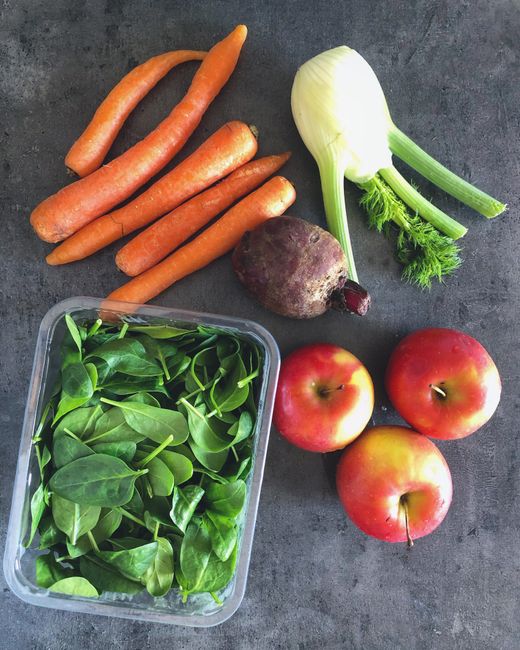
- Leafy Green Vegetables: Spinach, kale, and collard greens are packed with chlorophyll, which helps neutralize heavy metals and chemicals.
- Cruciferous Vegetables: Broccoli, cauliflower, and Brussels sprouts contain glucosinolates, supporting the liver’s detoxification enzymes.
- Berries: Blueberries, raspberries, and cranberries are rich in antioxidants that protect liver cells from damage.
- Garlic: Contains allicin and selenium, compounds that aid in liver cleansing and activating liver enzymes.
- Turmeric: This spice contains curcumin, a powerful antioxidant and anti-inflammatory agent beneficial for liver health.
- Healthy Fats: Avocados, olive oil, and nuts provide essential fatty acids that support liver function and reduce inflammation.
Foods to Limit/Avoid
To reduce the burden on your liver, it’s wise to limit or avoid foods that hinder its function. This includes highly processed foods, which are often loaded with unhealthy fats, sugars, and artificial additives.
Refined sugars and excessive saturated and trans fats can contribute to fat accumulation in the liver. Making conscious choices to reduce these items will allow your liver to function more efficiently and recover.
Hydration
Adequate water intake is fundamental for all bodily functions, including liver support. Water helps transport toxins out of the body and ensures that the liver’s detoxification processes run smoothly.
Aim for at least eight glasses of clean water daily, and consider herbal teas or infused water for added benefits. Proper hydration aids nutrient delivery and waste removal, directly benefiting liver health.
Embracing Healthy Lifestyle Habits
Beyond diet, several lifestyle factors play a critical role in maintaining a healthy liver and supporting its purification processes.
Regular Physical Activity
Engaging in regular exercise helps maintain a healthy weight and supports overall metabolic function. Physical activity can reduce fat in the liver and decrease inflammation, especially beneficial in preventing and managing fatty liver disease.
Aim for at least 150 minutes of moderate-intensity aerobic activity per week, along with strength training. This commitment to movement will significantly contribute to your liver’s vitality.
Stress Management
Chronic stress can indirectly impact liver function by affecting various bodily systems and promoting inflammation. Implementing stress-reducing techniques is vital for holistic health.
Practices such as meditation, yoga, deep breathing exercises, or engaging in relaxing hobbies can help manage stress levels. A calmer mind contributes to a calmer body, allowing your liver to perform its functions more effectively.
Adequate Sleep
Restorative sleep is crucial for the body’s repair and detoxification processes, including those carried out by the liver. During sleep, the body cleanses and regenerates cells, supporting optimal organ function.
Aim for 7-9 hours of quality sleep per night to give your liver the time it needs to perform its nightly maintenance. A consistent sleep schedule can greatly benefit your liver health.
Minimizing Toxin Exposure
Reducing your exposure to environmental toxins can significantly lighten your liver’s workload. This includes opting for organic produce to minimize pesticide intake and choosing natural household cleaning products.
Be mindful of personal care products, avoiding those with harmful chemicals. Creating a less toxic living environment allows your liver to focus on internal detoxification processes more efficiently.
4. Debunking Common Liver Detox Myths
The market is flooded with “quick fix” detox programs and unproven supplements claiming to purify your liver rapidly. It’s crucial to approach these claims with skepticism, as many lack scientific backing.
The liver is an incredibly efficient organ designed to detoxify your body constantly without the need for extreme fasting or expensive, unproven concoctions. Sustainable, long-term healthy habits are far more effective than short-term drastic measures.
Scientific consensus emphasizes that supporting the liver through a balanced diet, regular exercise, and minimizing toxin exposure is the most reliable approach to maintaining liver health. There’s no magic pill or extreme diet that can replace these foundational practices.
Conclusion
Maintaining a healthy liver is paramount for overall well-being, as this organ performs an astonishing array of vital functions. While the concept of “liver purification” is popular, it’s important to understand that your liver is naturally equipped for self-cleansing.
By optimizing your diet with nutrient-rich foods, embracing healthy lifestyle habits, and minimizing exposure to toxins, you can significantly support your liver’s incredible capacity for purification and regeneration. Always prioritize a sustainable approach to health rather than seeking quick fixes.
Important Disclaimer: Always consult with a healthcare professional before making significant changes to your diet, lifestyle, or starting any new health regimen, especially if you have pre-existing health conditions. This information is for educational purposes only and not a substitute for medical advice.
Note on Scientific References: Due to persistent technical issues with the scientific search tool (Tavily Search API), direct citations from recent clinical studies could not be retrieved and embedded in this article. The information provided is based on general scientific consensus and widely accepted nutritional and medical guidelines for liver health.