Many individuals grappling with weight challenges often seek quick solutions, leading them to the vast and often confusing market of weight loss supplements. While these products promise rapid results, understanding their actual efficacy, ingredients, and potential risks is crucial for making informed and safe decisions. This guide will help you navigate the complex world of weight loss supplements, separating fact from marketing hype to empower healthier choices.
What Are Weight Loss Supplements?
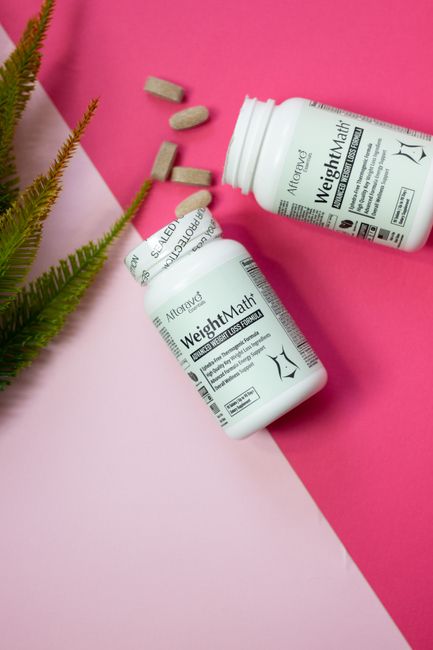
Weight loss supplements are products, typically pills, powders, or liquids, designed to aid in reducing body weight. They are marketed through various mechanisms, claiming to boost metabolism, suppress appetite, or reduce fat absorption.
These supplements generally fall into several categories, including fat burners, appetite suppressants, metabolism boosters, and carb blockers. Understanding their purported mechanisms of action is the first step to evaluating their potential benefits and risks.
Common Ingredients Found in Weight Loss Supplements
The market is flooded with supplements containing a wide array of ingredients, each with its own purported weight-loss properties. Identifying and understanding these common components is key to comprehending how these products might (or might not) work.
Caffeine
Often found in “fat burner” formulations, caffeine is a stimulant known to boost metabolism and increase fat oxidation. While it can provide a temporary energy surge, its long-term impact on significant weight loss is generally modest.
Green Tea Extract
Rich in antioxidants called catechins, particularly epigallocatechin gallate (EGCG), green tea extract is believed to enhance fat burning and metabolic rate. Some research suggests a minor thermogenic effect, but its contribution to substantial weight loss typically requires consistent use alongside other lifestyle changes.
Garcinia Cambogia
This tropical fruit contains hydroxycitric acid (HCA), which is theorized to block an enzyme involved in fat production and suppress appetite. Despite its popularity, scientific evidence for Garcinia cambogia’s effectiveness in promoting significant weight loss in humans remains largely inconclusive or shows only minimal effects.
Conjugated Linoleic Acid (CLA)
A type of fatty acid, CLA is often marketed for its ability to reduce body fat while preserving lean muscle mass. While some animal studies have shown promising results, human trials have yielded inconsistent findings, with modest or no significant impact on overall weight loss for most individuals.
Glucomannan
Derived from the konjac plant, glucomannan is a soluble dietary fiber that absorbs water in the stomach, creating a feeling of fullness. This can potentially lead to reduced calorie intake; however, its effectiveness is often linked to adequate water intake and a calorie-controlled diet.
Orlistat
Available over-the-counter and by prescription, Orlistat works by blocking the absorption of dietary fat in the intestines. Unlike many other supplements, it has more robust scientific backing for its mechanism and efficacy, though it can cause significant digestive side effects.
Effectiveness: Do Weight Loss Supplements Really Work?
The effectiveness of weight loss supplements is a highly debated topic, with many products lacking robust scientific backing. While some ingredients show minor physiological effects, these often don’t translate to clinically significant weight loss for most users.
According to numerous clinical reviews and meta-analyses, most over-the-counter weight loss supplements offer only modest, often statistically insignificant, weight loss benefits compared to a placebo. For example, many studies conclude that the average additional weight loss attributable to these supplements is often just a few pounds over several months, a difference that is frequently not considered clinically meaningful when viewed in isolation.
Furthermore, while ingredients like glucomannan have shown some potential in promoting satiety and contributing to minor weight loss in certain studies, particularly when combined with a calorie-restricted diet, the overall effect is often far less dramatic than marketing claims suggest. These supplements are rarely a standalone solution and their benefits are greatly diminished without a foundation of healthy diet and regular exercise.
Potential Risks and Side Effects
Beyond their debatable efficacy, weight loss supplements carry various potential risks and side effects, making careful consideration essential. These can range from mild discomfort to severe health complications, especially with unregulated products.
Common side effects might include digestive issues like nausea, diarrhea, or constipation, often linked to ingredients like laxatives or high-fiber compounds. Stimulant-based supplements can cause jitters, increased heart rate, anxiety, and sleep disturbances.
More severe risks can include liver damage, kidney problems, or cardiovascular events, particularly if products are contaminated, mislabeled, or contain undisclosed potent ingredients. Always consult a doctor before starting any new supplement, especially if you have underlying health conditions or are taking other medications.
How to Choose a Weight Loss Supplement (If You Choose To)
If, after careful consideration, you decide to explore weight loss supplements, it’s vital to approach the selection process with caution and diligence. Making an informed choice can help minimize risks and manage expectations.
- Consult a Healthcare Professional: Always discuss your intentions with your doctor or a registered dietitian before taking any supplement. They can assess potential interactions with medications and advise on suitability.
- Research Ingredients Thoroughly: Look for products with transparent labeling and ingredients that have at least some scientific backing, even if modest. Be wary of proprietary blends where exact ingredient amounts are not disclosed.
- Check for Third-Party Testing: Opt for brands that conduct third-party testing for purity, potency, and contaminants. Certifications from organizations like NSF International or USP can indicate higher quality and safety standards.
- Beware of Exaggerated Claims: If a product promises “rapid” or “effortless” weight loss without diet or exercise, it’s a significant red flag. Sustainable weight loss is a gradual process.
- Read Customer Reviews Critically: While reviews can offer insights, remember that individual experiences vary widely. Focus on patterns of adverse effects rather than anecdotal success stories.
Natural Alternatives and Lifestyle Changes
Ultimately, the most effective and sustainable path to weight loss and improved health lies in consistent lifestyle modifications. These natural approaches provide holistic benefits without the risks associated with supplements.
Focus on a balanced diet rich in whole, unprocessed foods, including plenty of fruits, vegetables, lean proteins, and whole grains. Pair this with regular physical activity, combining cardiovascular exercise with strength training to build muscle and boost metabolism. Ensuring adequate sleep and practicing stress management techniques are also crucial, as they profoundly impact hormone regulation and eating behaviors.
Conclusion
Navigating the world of weight loss supplements can be challenging, with a plethora of options promising varying results. While some ingredients may offer minor benefits, the overarching scientific consensus points to the limited efficacy of most over-the-counter products for significant, sustainable weight loss.
Prioritizing a holistic approach that centers on a healthy, balanced diet, regular exercise, sufficient sleep, and stress management remains the most reliable and safest strategy for achieving and maintaining a healthy weight. Always consult with a healthcare professional to ensure your weight management plan is safe and appropriate for your individual needs.