Struggling with the visible signs of aging or thinning hair can significantly impact confidence and well-being. Many seek effective, non-invasive solutions to rejuvenate their appearance. Red Light Therapy (RLT) offers a promising, science-backed approach by harnessing specific wavelengths of light to stimulate cellular repair and regeneration, addressing both skin aging and hair loss concerns at their root.
Introduction to Red Light Therapy
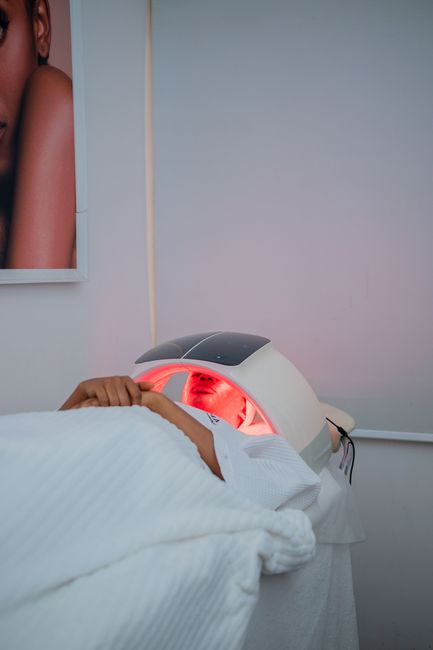
Red Light Therapy (RLT), also known as photobiomodulation (PBM) or low-level laser therapy (LLLT), utilizes specific wavelengths of red and near-infrared light to penetrate the skin. This non-invasive treatment has gained significant attention for its therapeutic benefits across various health and cosmetic applications. Its scientific foundation dates back decades, with initial research exploring its effects on wound healing and tissue regeneration.
The primary appeal of RLT lies in its ability to stimulate cellular activity without heat or discomfort. This makes it a gentle yet powerful tool for promoting overall wellness. Today, RLT is widely recognized for its potential in enhancing skin health, reducing signs of aging, and encouraging robust hair growth.
How Red Light Therapy Works: Understanding the Mechanisms of Action
Red Light Therapy operates on a cellular level, influencing key biological processes within the body. When red and near-infrared light waves penetrate the skin, they are absorbed by chromophores in the cells, particularly cytochrome c oxidase within the mitochondria. This absorption initiates a cascade of beneficial cellular responses.
Stimulating Cellular Energy (ATP Production)
One of the most crucial effects of RLT is its ability to boost adenosine triphosphate (ATP) production within cells. ATP is the primary energy currency of the cell, essential for all cellular functions, including repair and regeneration. By optimizing mitochondrial function, RLT helps cells operate more efficiently and effectively.
Boosting Collagen and Elastin Production
RLT significantly impacts fibroblasts, the cells responsible for producing collagen and elastin. These proteins are vital for maintaining the skin’s structure, firmness, and elasticity. Enhanced production of collagen and elastin leads to smoother, plumper skin and a reduction in the appearance of wrinkles.
Enhancing Blood Circulation
Exposure to red light promotes vasodilation, which increases blood flow to the treated areas. Improved circulation ensures a more efficient delivery of oxygen and nutrients to cells, while also aiding in the removal of waste products. This enhanced nutrient supply is critical for both healthy skin and robust hair follicles.
Reducing Inflammation and Oxidative Stress
Red Light Therapy exhibits powerful anti-inflammatory and antioxidant effects. It helps to neutralize harmful free radicals and reduce cellular stress, which can contribute to aging and various dermatological conditions. By mitigating inflammation, RLT supports cellular healing and a healthier environment for tissue regeneration.
Red Light Therapy for Skin Aging and Rejuvenation
RLT has emerged as a popular, non-invasive treatment for a range of skin concerns, particularly those related to aging. Its ability to stimulate collagen and improve cellular function makes it a powerful tool for achieving a more youthful and radiant complexion. Many individuals seek RLT to address the visible signs of time and environmental damage.
Targeting Wrinkles and Fine Lines
Red light therapy works to minimize the appearance of wrinkles and fine lines by boosting the skin’s natural collagen and elastin production. Increased collagen provides structural support, plumping the skin and smoothing out creases. Regular treatments can lead to a noticeable reduction in the depth and visibility of these aging signs.
According to a study published in Seminars in Cutaneous Medicine and Surgery (2013), participants treated with red light therapy showed significant improvements in skin complexion, skin feeling, and collagen density. The research suggests RLT can effectively reduce wrinkles and improve overall skin texture. Another review in Lasers in Medical Science (2014) also concluded that RLT is a safe and effective treatment for skin rejuvenation, reporting significant anti-aging effects across multiple studies.
Improving Skin Tone, Texture, and Elasticity
Beyond wrinkles, RLT contributes to an overall enhancement of skin quality. It can improve skin tone by reducing redness and hyperpigmentation, leading to a more even complexion. The increased production of elastin helps restore the skin’s natural elasticity, making it feel firmer and more resilient.
Furthermore, RLT can address issues like sun damage and age spots by promoting healthy cell turnover and reducing oxidative stress. This comprehensive approach helps to reverse some of the visible effects of environmental exposure and aging. Regular sessions can lead to smoother texture and a more vibrant appearance.
Promoting Wound Healing and Scar Reduction
The cellular regenerative properties of RLT make it highly beneficial for wound healing. It accelerates tissue repair by stimulating fibroblast proliferation and collagen synthesis, which are critical for closing wounds effectively. This process can lead to faster recovery times and reduced scarring.
RLT has shown promise in improving the appearance of various dermatological concerns, including acne scars and surgical incisions. By reducing inflammation and promoting healthy new tissue formation, it helps to fade existing scars and prevent new ones from forming prominently. Its role in cellular regeneration makes it a valuable adjunct therapy.
Red Light Therapy for Hair Growth and Scalp Health
For those experiencing hair loss, particularly androgenetic alopecia, Red Light Therapy offers a compelling non-invasive treatment option. The same cellular stimulation that benefits skin also extends to hair follicles, promoting a healthier environment for growth. This therapy addresses the root causes of hair thinning.
Addressing Androgenetic Alopecia (Pattern Baldness)
RLT stimulates dormant or miniaturized hair follicles, encouraging them to re-enter the active growth (anagen) phase. This mechanism is particularly effective in addressing androgenetic alopecia, commonly known as pattern baldness, which affects both men and women. The light energy revitalizes weakened follicles.
A meta-analysis published in the Journal of Clinical and Aesthetic Dermatology (2018) found that low-level light therapy (including red light therapy) significantly improved hair density and thickness in individuals with androgenetic alopecia. It concluded that RLT is an effective and safe treatment for hair regrowth. Results often become noticeable with consistent application over several months.
Strengthening Hair Follicles and Increasing Hair Density
By enhancing cellular energy and blood circulation to the scalp, RLT helps to strengthen existing hair follicles. This leads to thicker, stronger hair strands and can increase overall hair density. The therapy also prolongs the anagen phase of hair growth, reducing premature shedding and promoting a fuller head of hair.
Improved nutrient delivery to the follicles ensures they receive the necessary building blocks for healthy hair production. This comprehensive support helps to reverse the miniaturization process often seen in hair loss. Users often report shinier, more resilient hair after consistent RLT treatments.
Supporting Overall Scalp Health
Red light therapy also contributes to a healthier scalp environment, which is crucial for optimal hair growth. Its anti-inflammatory properties can reduce irritation and redness, addressing conditions like dandruff or seborrheic dermatitis. A calm and healthy scalp provides a better foundation for robust hair production.
Furthermore, by improving circulation, RLT helps to cleanse the scalp of toxins and deliver vital oxygen. This holistic approach supports not only hair growth but also the overall health of the skin on the head. A well-nourished scalp is less prone to issues that can impede hair vitality.
Key Considerations for Red Light Therapy
To maximize the benefits of Red Light Therapy, understanding certain key parameters is essential. Not all RLT devices or treatments are created equal, and specific factors can significantly influence efficacy. Proper application and device selection are crucial for achieving desired results for both skin and hair.
Wavelength and Intensity
The effectiveness of RLT largely depends on the specific wavelengths of light used. Red light typically ranges from 630-670 nanometers (nm), while near-infrared light ranges from 810-880 nm. These specific wavelengths penetrate different depths, targeting various cellular structures effectively.
Power output and irradiance (the power density of the light) are also critical. Higher irradiance generally means more energy is delivered to the cells, potentially leading to better outcomes. It is important to research devices that specify their output and wavelength for therapeutic benefits.
Treatment Duration and Frequency
Consistency is key for optimal results with RLT. Recommended protocols typically involve sessions lasting from 10 to 20 minutes, performed several times per week. For skin rejuvenation, results may be observed within a few weeks to months, while hair growth can take 3-6 months to show significant improvement.
Adhering to a consistent schedule allows cells to continuously benefit from the light stimulation, promoting ongoing repair and regeneration. Skipping sessions can delay the desired outcomes. Always follow the manufacturer’s or a professional’s guidelines for duration and frequency.
At-Home Devices vs. Professional Treatments
The market offers a wide array of RLT devices, from compact at-home units to powerful clinical machines. At-home devices are convenient and accessible but typically have lower power output than professional treatments. They are suitable for consistent maintenance and mild to moderate concerns.
Professional treatments, often found in dermatology clinics or spas, utilize higher-powered devices that can deliver more intense and targeted therapy. These may be more effective for severe conditions or when quicker results are desired. Consulting with a healthcare professional can help determine the most appropriate option based on individual needs and goals.
Potential Side Effects and Safety
Red Light Therapy is generally considered safe and well-tolerated, with a low risk of side effects when used correctly. It is a non-invasive treatment that does not involve harsh chemicals, UV radiation, or excessive heat. Most individuals experience no adverse reactions during or after sessions.
Any minor side effects, if they occur, are typically mild and transient. These might include temporary redness or tenderness in the treated area, similar to a mild sunburn, though this is rare. It is crucial to follow all manufacturer guidelines and consult with a doctor if you have any underlying health conditions or concerns before starting RLT. Always protect your eyes by using appropriate eyewear during treatments, especially with higher-intensity devices.
Conclusion: The Future of Red Light Therapy in Skincare and Hair Care
Red Light Therapy stands out as a powerful, non-invasive technology with significant potential in both skincare and hair care. Its ability to stimulate cellular energy, boost collagen, enhance circulation, and reduce inflammation provides a comprehensive approach to rejuvenation. The science continues to support its efficacy for conditions ranging from wrinkles to pattern baldness.
As research evolves, RLT is expected to find even broader applications and become a more integral part of wellness routines. Its gentle yet profound effects make it an appealing option for those seeking natural ways to enhance their appearance and health. Integrating RLT into your regimen can be a transformative step towards achieving healthier skin and stronger hair.