Struggling with visible signs of aging like wrinkles or experiencing thinning hair can significantly impact confidence and well-being. Many seek effective, non-invasive solutions to rejuvenate their appearance. Red Light Therapy (RLT) offers a promising, scientifically-backed approach, harnessing specific wavelengths of light to stimulate cellular repair and regeneration for both skin and hair health.
I. Introduction to Red Light Therapy
What is Red Light Therapy (RLT)?
Red Light Therapy, also known as low-level light therapy (LLLT) or photobiomodulation (PBM), involves exposing the body to specific wavelengths of red and near-infrared light. This non-invasive treatment penetrates the skin to stimulate cellular processes without heat or UV radiation. It is increasingly recognized for its therapeutic benefits across various health and wellness applications.
Brief history and scientific background
The concept of using light for healing dates back centuries, but modern RLT gained traction with NASA’s research in the 1990s, exploring its potential to grow plants in space and heal astronaut wounds. Since then, extensive scientific inquiry has explored its effects on human tissues. This research has revealed its profound impact at a cellular level, particularly on mitochondrial function.
Overview of its applications for skin aging and hair growth
RLT has emerged as a popular treatment for improving skin health, notably by reducing the appearance of wrinkles, fine lines, and promoting a more youthful complexion. Beyond skin, it also shows significant promise in stimulating hair follicles and combating hair loss. These diverse applications highlight its versatility as a wellness tool.
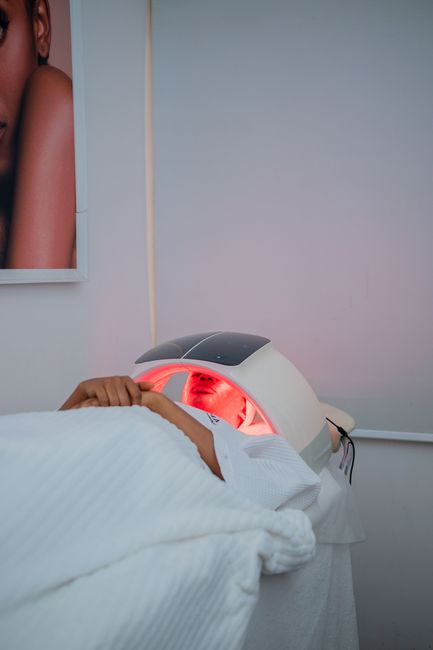
How RLT differs from other light therapies (e.g., UV light)
Unlike harmful ultraviolet (UV) light, which can damage skin cells and contribute to aging and cancer, RLT uses safe, non-ionizing wavelengths. It does not produce heat or carry the risks associated with UV exposure. This fundamental difference makes RLT a gentle and beneficial option for therapeutic use.
II. The Science Behind Red Light Therapy
Understanding the Wavelengths: Red and Near-Infrared Light
RLT typically utilizes wavelengths in the red spectrum (around 630-700 nanometers) and near-infrared (NIR) spectrum (around 700-1000 nanometers). Red light is visible and penetrates the superficial layers of the skin, while NIR light is invisible and can penetrate deeper into tissues, reaching muscles, bones, and even brain tissue. The combination of these wavelengths allows for comprehensive treatment effects.
Cellular Mechanisms:
-
Mitochondrial activation and ATP production
At the core of RLT’s benefits is its ability to stimulate the mitochondria, often called the powerhouse of the cell. When red and near-infrared light interact with cytochrome c oxidase in the mitochondria, it enhances the production of adenosine triphosphate (ATP). ATP is the primary energy currency of the cell, crucial for all cellular functions, including repair and regeneration.
-
Role of cytochrome c oxidase
Cytochrome c oxidase (CCO) is a crucial enzyme in the mitochondrial electron transport chain. It acts as a primary chromophore, absorbing red and near-infrared light. This absorption is thought to be the initial trigger for the cascade of beneficial cellular responses observed with RLT.
-
Effects on cellular repair and regeneration
The increased ATP production and activation of CCO lead to improved cellular metabolism and signaling pathways. This can accelerate cell repair, reduce oxidative stress, and promote the regeneration of damaged tissues. These fundamental biological effects underpin RLT’s wide range of therapeutic applications.
III. Red Light Therapy for Skin Aging (Anti-Aging Benefits)
Collagen and Elastin Production:
-
How RLT stimulates fibroblasts
Red light therapy works by penetrating the skin and stimulating fibroblasts, which are the cells responsible for producing collagen and elastin. This stimulation encourages the body’s natural processes of skin repair and rejuvenation. Regular exposure helps these vital cells work more efficiently.
-
Reduction of wrinkles and fine lines
By boosting collagen and elastin synthesis, RLT helps to plump the skin and improve its structural integrity. This can lead to a noticeable reduction in the appearance of wrinkles and fine lines over time. Clinical observations frequently report improvements in skin smoothness and texture.
-
Improvement in skin elasticity and firmness
Increased collagen and elastin also contribute to enhanced skin elasticity and firmness, combating the sagging often associated with aging. The skin becomes more resilient and youthful in appearance. Many users report feeling a tightening effect on their skin.
Skin Tone and Texture:
-
Reduction of hyperpigmentation (e.g., sun spots, age spots)
RLT has been shown to help regulate melanin production, which can lead to a reduction in hyperpigmentation such as sun spots and age spots. This results in a more even and balanced skin tone. The light therapy assists in breaking down excess pigment in the skin.
-
Minimizing pore size
Through its overall rejuvenating effects on skin cells and tissue, RLT can contribute to minimizing the appearance of enlarged pores. Healthier skin with improved structure tends to exhibit smaller, less noticeable pores. This contributes to a smoother overall skin surface.
-
Improving overall skin radiance
With enhanced cellular function, increased blood circulation, and improved collagen production, the skin often takes on a healthier glow. Users frequently report a more radiant and vibrant complexion. This makes the skin appear more youthful and revitalized.
Healing and Scar Reduction:
-
Accelerated wound healing
RLT’s ability to boost cellular repair and reduce inflammation makes it effective in accelerating wound healing. It helps in the regeneration of new skin cells, reducing recovery time. This has been observed in various clinical settings.
-
Reducing the appearance of acne scars and other blemishes
By promoting tissue regeneration and collagen remodeling, red light therapy can significantly reduce the visibility of acne scars and other blemishes. It helps to smooth out skin texture and minimize discoloration. Consistent use can lead to substantial improvements.
Inflammation Reduction:
-
Calming irritated skin conditions (e.g., rosacea, eczema)
The anti-inflammatory properties of RLT are beneficial for calming various irritated skin conditions, including rosacea and eczema. It helps to reduce redness, swelling, and discomfort. This can provide significant relief for individuals suffering from chronic skin inflammation.
IV. Red Light Therapy for Hair Growth
Stimulating Hair Follicles:
-
Mechanism of action on dormant hair follicles
Red light therapy penetrates the scalp to reach and stimulate dormant or weakened hair follicles. The light energy is absorbed by the cells within the follicles, activating them to enter the anagen (growth) phase. This process helps to revive follicles that might otherwise cease to produce hair.
-
Increased blood flow to the scalp
RLT also promotes increased blood circulation to the scalp, delivering more oxygen and essential nutrients to the hair follicles. Enhanced blood flow is crucial for healthy hair growth and for sustaining active follicles. This improved nourishment supports stronger, healthier hair.
Preventing Hair Loss:
-
Strengthening existing hair strands
Beyond stimulating new growth, RLT can significantly strengthen existing hair strands, making them less prone to breakage and shedding. This contributes to overall hair density and resilience. Stronger hair means less hair loss over time.
-
Extending the anagen (growth) phase of hair
By influencing cellular metabolism within the hair follicles, red light therapy helps to extend the anagen phase of the hair growth cycle. A longer growth phase means hair has more time to grow, leading to increased length and thickness. This is key for combating thinning hair.
Conditions Addressed:
-
Androgenetic alopecia (male and female pattern baldness)
RLT is a recognized treatment for androgenetic alopecia, commonly known as male and female pattern baldness. It helps by stimulating follicles affected by genetic predispositions to shrink. Many clinical studies support its efficacy in this common form of hair loss.
-
Other forms of non-scarring alopecia
In addition to androgenetic alopecia, red light therapy can also be beneficial for other forms of non-scarring alopecia. Its general stimulatory effects on hair follicles and scalp health can aid in various types of hair thinning. Consulting a dermatologist can help determine suitability for specific conditions.
V. How to Use Red Light Therapy Safely and Effectively
Types of Devices:
-
Panels and full-body devices
Panels and full-body devices are ideal for targeting larger areas or for comprehensive treatment. These are often used for general skin rejuvenation, muscle recovery, and overall wellness. They offer broad coverage and consistent light delivery.
-
Handheld devices
Handheld devices provide targeted treatment for specific problem areas, such as fine lines around the eyes or small patches of hair loss. They are convenient for portability and precision. These devices are great for focused application.
-
Caps and helmets for hair
Caps and helmets are specifically designed for scalp treatment to promote hair growth. They ensure even light distribution across the entire scalp. These devices are a popular choice for treating androgenetic alopecia effectively.
-
Light masks for facial skin
Light masks contour to the face, delivering consistent red light exposure for anti-aging and skin tone improvement. They are convenient for hands-free treatment of the entire facial area. These masks are a growing trend in at-home skincare routines.
Treatment Protocols:
-
Recommended session duration
Most RLT devices recommend session durations ranging from 10 to 20 minutes per area. Adhering to the manufacturer’s guidelines is crucial for safety and efficacy. Starting with shorter sessions and gradually increasing can be a good approach.
-
Frequency of treatments
For optimal results, consistent use is key; typically, 3-5 times per week is recommended. Some individuals might see benefits with daily sessions, but always follow specific device instructions. Regularity ensures sustained cellular stimulation and repair.
-
Optimal distance from the device
The optimal distance from an RLT device usually ranges from 6 to 12 inches, though this can vary by device. This distance allows for maximum light penetration without compromising safety. Always check your device’s manual for precise recommendations.
Safety Considerations:
-
Eye protection
While RLT is generally safe, direct exposure to intense LED light can be uncomfortable for the eyes. It is highly recommended to use eye protection, such as blackout goggles, especially when using facial devices or high-power panels. Protecting your eyes is a simple but vital precaution.
-
Skin sensitivity and precautions
Some individuals with very sensitive skin might experience mild transient redness or warmth. It’s advisable to perform a patch test on a small area of skin first. Discontinue use if irritation persists, and consult a dermatologist if concerned.
-
Consulting with a healthcare professional
Before starting any new therapy, especially if you have underlying health conditions or are taking medications, consult a healthcare professional. They can provide personalized advice and ensure RLT is appropriate for your specific situation. This step is particularly important for those with chronic illnesses or during pregnancy.
VI. Potential Side Effects and Contraindications
Red Light Therapy is widely considered safe for most users, with a low risk of adverse effects due to its non-invasive nature and lack of UV radiation. However, being aware of potential mild reactions and specific contraindications is important for safe usage. Always prioritize listening to your body and consulting professionals when in doubt.
Mild and temporary side effects (e.g., redness, warmth)
The most commonly reported side effects are mild and temporary, including slight skin redness or a feeling of warmth in the treated area. These usually subside shortly after the session concludes. Such reactions indicate increased blood flow and are generally not a cause for concern.
Who should avoid RLT (e.g., pregnant individuals, those with certain medical conditions)
While largely safe, certain groups should exercise caution or avoid RLT. Pregnant individuals, those with a history of seizures, or individuals with light-sensitive conditions should consult a doctor before use. Those taking photosensitizing medications should also seek medical advice beforehand.
Medication interactions
Some medications can increase skin sensitivity to light, making certain individuals more susceptible to adverse reactions from RLT. It is crucial to discuss all current medications with a healthcare provider before beginning RLT. Your doctor can assess potential interactions and guide you safely.
VII. Debunking Myths and Misconceptions
Like many emerging wellness technologies, red light therapy is often surrounded by myths and misconceptions. Understanding the facts helps manage expectations and ensures a more informed approach to its use. It’s important to distinguish between scientifically supported claims and unfounded assertions.
Addressing common misunderstandings about RLT
One common misconception is that RLT uses UV light, which it absolutely does not. Another myth is that more power or longer sessions automatically lead to better results, when in fact, there’s an optimal “dosage” for photobiomodulation. RLT is also not a magic bullet; consistent and appropriate use is necessary for seeing genuine benefits.
VIII. Conclusion
Red Light Therapy stands out as a powerful, non-invasive tool for enhancing skin rejuvenation and promoting hair growth. Its ability to stimulate cellular function at a foundational level makes it a compelling option for those seeking natural yet effective aesthetic and wellness improvements. As research continues to evolve, RLT’s potential applications are only growing.
Recap of the benefits of RLT for skin aging and hair growth
From boosting collagen and elastin for smoother, firmer skin to stimulating dormant hair follicles and extending the hair growth cycle, RLT offers a spectrum of benefits. It addresses concerns from wrinkles and hyperpigmentation to hair thinning and overall skin radiance. These multifaceted advantages make it a versatile addition to any beauty and wellness regimen.
Future outlook for red light therapy research and applications
The field of photobiomodulation is continuously expanding, with ongoing research exploring RLT’s potential in areas like pain management, cognitive function, and athletic recovery. As technology advances, devices may become even more targeted and efficient. The future holds exciting possibilities for this innovative therapy.
Final thoughts on integrating RLT into a wellness routine
Integrating RLT into your wellness routine can be a proactive step towards healthier skin and hair, and potentially broader health benefits. With various at-home devices available, it offers convenience and accessibility. Always remember to prioritize safety and consult with healthcare professionals for personalized advice.