Red Light Therapy (RLT) offers a promising, non-invasive approach to combat common concerns like skin aging and hair loss. Many individuals struggle with visible wrinkles, fine lines, and thinning hair, seeking effective solutions that go beyond topical creams. RLT provides a potential solution by utilizing specific wavelengths of red and near-infrared light to stimulate cellular regeneration and improve overall tissue health.
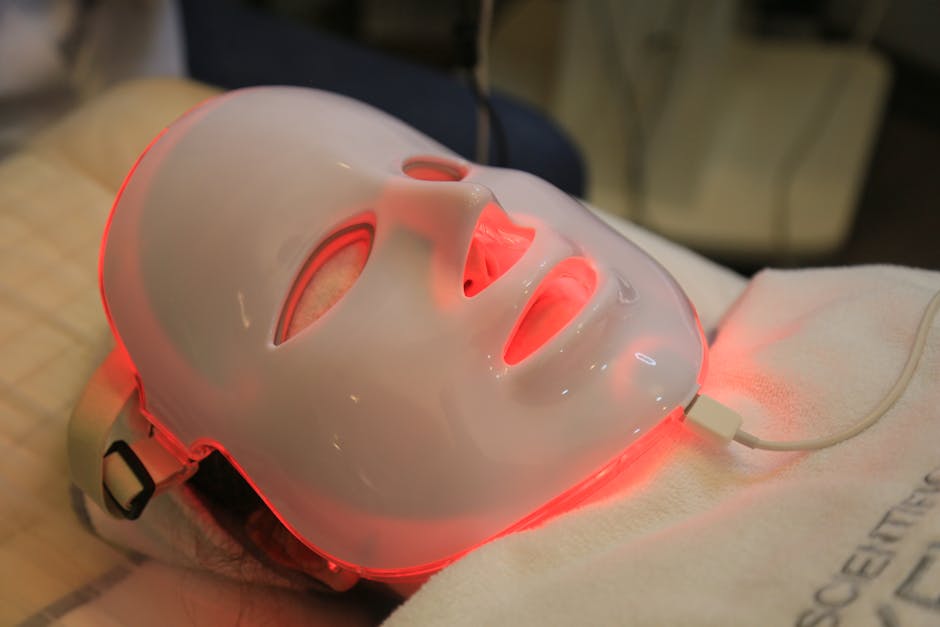
Introduction to Red Light Therapy
Red Light Therapy (RLT) is a therapeutic technique that uses low-level red and near-infrared (NIR) light wavelengths to treat various health conditions, particularly those related to skin and cellular repair. Unlike ultraviolet (UV) light, which can damage skin, RLT is generally considered safe and aims to promote healing and regeneration. The key distinction lies in the wavelengths used, typically between 630 nm and 880 nm, which penetrate different depths of tissue.
At a cellular level, RLT works by targeting the mitochondria, often called the “powerhouses” of the cells. When red and near-infrared light is absorbed by these mitochondria, it’s believed to stimulate the production of adenosine triphosphate (ATP), the primary energy currency of the cell. This increase in cellular energy can enhance various physiological processes, including tissue repair, reduction of inflammation, and improved cell function.
The concept of using light for therapeutic purposes has a history dating back centuries, but modern RLT gained prominence with scientific backing emerging from NASA’s research in the 1990s. Initially studied for wound healing in space, its applications have since expanded to include skin health, muscle recovery, and hair growth. This non-pharmacological intervention offers a promising avenue for those seeking natural wellness solutions.
Understanding Red Light Therapy for Skin Aging
As we age, our skin naturally loses its elasticity and firmness, leading to wrinkles and fine lines. Red Light Therapy offers a unique approach to mitigate these signs of aging by working at a foundational cellular level. It aims to revitalize skin cells and improve their natural regenerative capabilities.
The Science of RLT for Youthful Skin
One of the primary ways RLT supports youthful skin is by stimulating the production of essential proteins like collagen and elastin. These proteins are crucial for maintaining skin’s structure, firmness, and elasticity, and their decline is a major contributor to visible aging. By boosting their synthesis, RLT can help improve skin’s resilience.
Beyond structural proteins, RLT also enhances blood circulation to the skin. Improved blood flow ensures that skin cells receive a more abundant supply of oxygen and vital nutrients, which are essential for their health and function. This increased nutrient delivery can accelerate cellular repair and rejuvenation processes, contributing to a healthier complexion.
Furthermore, RLT is thought to reduce inflammation and oxidative stress within skin cells. Chronic inflammation and oxidative damage are known culprits in accelerating the aging process and damaging skin cells. By mitigating these factors, RLT helps protect the skin from environmental stressors and promotes a calmer, more resilient state.
Key Benefits for Skin Rejuvenation
- Minimizing the appearance of wrinkles and fine lines: By stimulating collagen, RLT can help smooth out the skin’s surface.
- Improving overall skin tone, texture, and smoothness: Enhanced cellular activity leads to more even and refined skin.
- Fading age spots, sun damage, and hyperpigmentation: RLT may help in the cellular turnover process, reducing discoloration.
- Promoting a healthy, radiant complexion: Improved circulation and cellular health contribute to a natural glow.
Realistic Expectations and Typical Timelines for Visible Results
While Red Light Therapy holds significant promise for skin rejuvenation, it’s important to set realistic expectations. Results are not immediate and typically require consistent, long-term use. Many users report initial improvements in skin texture and radiance within 4-6 weeks, with more significant reductions in wrinkles and fine lines often visible after 2-3 months of regular treatment.
The exact timeline can vary depending on individual skin condition, age, and the quality and frequency of treatment. Consistency is paramount for achieving and maintaining the desired outcomes, as cellular regeneration is a gradual process. Patience and dedication to a regular RLT routine are key for optimal results.
Exploring Red Light Therapy for Hair Growth
Hair loss can be a distressing concern for many, impacting self-esteem and quality of life. Red Light Therapy (RLT) has emerged as a complementary approach to address various forms of hair thinning and promote healthier hair growth. It works by influencing the scalp and hair follicles at a cellular level, much like it does for skin rejuvenation.
How RLT Addresses Hair Loss
RLT is believed to stimulate dormant hair follicles, encouraging them to re-enter the active growth phase. Many types of hair loss involve follicles becoming miniaturized or entering a prolonged resting phase, and RLT aims to reawaken them. This stimulation can lead to thicker, fuller hair strands over time.
Similar to its effects on skin, RLT also increases blood flow to the scalp. Enhanced circulation ensures that hair follicles receive an optimal supply of oxygen, nutrients, and growth factors necessary for healthy hair production. This improved nourishment is crucial for strengthening existing hair and supporting the growth of new hair.
Furthermore, RLT may help in reducing inflammation in the scalp, which can be a contributing factor to various types of hair loss. By mitigating inflammation, RLT creates a healthier environment for hair follicles to thrive. A healthier scalp is fundamental for sustained hair growth and preventing further hair thinning.
Types of Hair Loss RLT May Benefit
Red Light Therapy shows the most significant promise for conditions like androgenetic alopecia, commonly known as male and female pattern baldness. This genetic condition is characterized by a gradual miniaturization of hair follicles, and RLT aims to reverse this process. It has been cleared by regulatory bodies for treating this specific type of hair loss.
While the primary focus is on androgenetic alopecia, RLT may also play a supportive role in other non-scarring alopecias where inflammation or poor circulation are factors. However, its efficacy for these other conditions is less studied compared to pattern baldness. Consulting a dermatologist for an accurate diagnosis of hair loss is always recommended.
Consistency and Patience: What to Expect on Your Hair Growth Journey
Just like with skin rejuvenation, achieving noticeable hair growth with RLT requires consistency and patience. Hair growth is a slow biological process, and it takes time for follicles to respond and for new hair to become visible. Many users may not see significant results for 3-6 months, with optimal outcomes often appearing after 6-12 months of consistent use.
Skipping sessions or using devices irregularly can hinder progress, as the cumulative effect of regular light exposure is crucial. It’s important to commit to a regular treatment schedule and monitor progress over several months. Combining RLT with other dermatologist-recommended treatments can sometimes yield even better results.
How to Incorporate Red Light Therapy into Your Routine
Integrating Red Light Therapy into your daily or weekly routine is straightforward, especially with the wide array of devices available today. Understanding the types of devices and proper usage can help you maximize benefits for both skin and hair. Safety and consistency are key to a successful RLT regimen.
Overview of RLT Device Types
- Home-use panels and full-body systems: These larger devices offer comprehensive coverage for larger areas, ideal for full-face or body skin treatments, and some can target the scalp effectively. They vary in size and power, with some resembling small mirrors and others being freestanding units.
- Handheld devices for targeted treatment: Compact and portable, these devices are excellent for addressing specific concerns like fine lines around the eyes or small patches of skin. Their focused light delivery allows for precise application to problem areas.
- Specialized caps and combs for scalp and hair: Designed specifically for hair growth, these devices conform to the scalp, ensuring even light distribution to hair follicles. They are often hands-free and convenient for regular use, making hair treatment easy to integrate.
Recommended Session Durations and Frequencies
General guidelines for skin anti-aging protocols often suggest 10-20 minute sessions, 3-5 times per week. For hair growth treatments, specific caps and combs may recommend shorter daily sessions, around 6-25 minutes, or several times a week. The exact duration and frequency can vary based on the device’s power output and the manufacturer’s recommendations.
The importance of consistency over intensity cannot be overstated. Regular, shorter sessions are generally more effective than infrequent, long sessions. Adhering to a steady schedule allows your cells to continuously benefit from the light exposure, promoting ongoing repair and regeneration.
Safety Considerations and Best Practices
While RLT is generally safe, eye protection during sessions is crucial, especially when using higher-powered devices or panels that emit bright light. Many devices come with protective eyewear, which should always be used to shield the retina from intense light. Always follow the manufacturer’s safety instructions to prevent any potential eye strain or damage.
For skin preparation, ensure your skin is clean and free of heavy makeup or lotions before treatment, as these can block the light. Post-treatment, continue with your regular skincare routine. Mild side effects, such as temporary redness or warmth, are rare but possible; discontinue use if irritation occurs. RLT is generally contraindicated for individuals with photosensitivity or those taking photosensitizing medications.
What to Look For in a Red Light Therapy Device
Choosing an effective Red Light Therapy device can feel overwhelming with numerous options on the market. Focusing on key technical specifications and certifications can help you make an informed decision. The right device will provide the optimal wavelengths and power to achieve your desired results.
The importance of specific wavelengths is paramount; look for devices that emit light in the red (around 630-670nm) and near-infrared (around 810-880nm) spectrums. These are the wavelengths scientifically studied for their therapeutic benefits. Some devices may offer a combination of both to target different tissue depths effectively.
Considerations for irradiance and power output are crucial for effective treatment. Higher irradiance (measured in mW/cm²) indicates how much light energy is delivered to your skin, directly impacting the efficacy. While consumer devices may not have the same power as clinical ones, ensure the device provides sufficient output for cellular penetration without causing discomfort. Always check for third-party testing and certifications, such as FDA clearance (if applicable to the device type), which can provide assurance regarding the device’s safety and performance claims. These certifications indicate that the product meets certain quality and efficacy standards. Other factors like the device’s coverage area, ease of use (e.g., portable vs. stationary), and overall durability should also influence your choice.
Synergistic Approaches for Enhanced Results
While Red Light Therapy is a powerful tool on its own, combining it with complementary practices can significantly enhance its benefits for both skin rejuvenation and hair growth. Adopting a holistic approach ensures that you’re supporting your body’s natural healing and regenerative processes from multiple angles. This integrated strategy can lead to more noticeable and lasting improvements.
Complementary Skincare Practices
Pairing RLT with appropriate topical serums and creams can boost your skin rejuvenation efforts. Products containing ingredients like hyaluronic acid, peptides, or antioxidants can work synergistically with RLT to hydrate, protect, and repair the skin. Apply these after your RLT session to ensure optimal absorption.
Maintaining a gentle cleansing and moisturizing routine is also vital. Cleansing prepares your skin for RLT, while moisturizing afterward helps lock in hydration and supports the skin barrier. Avoid harsh exfoliants immediately before or after RLT to prevent over-sensitizing the skin, focusing instead on nourishing and calming products.
Nutrition and Lifestyle for Skin and Hair Health
Your diet plays a significant role in the health of your skin and hair. Ensure you’re consuming a balanced diet rich in proteins, vitamins (especially C, D, E, and B vitamins), and minerals (like zinc and iron). These nutrients are essential building blocks for collagen production and hair strength. Omega-3 fatty acids, found in fish and flaxseed, also contribute to healthy skin and scalp.
Beyond diet, effective stress management and adequate sleep are critical for overall wellness, which directly impacts skin and hair health. Chronic stress can exacerbate skin conditions and hair loss, while sufficient sleep allows the body to repair and regenerate. Incorporating mindfulness, exercise, or other stress-reducing activities can support your RLT journey.
Other Wellness Therapies that May Support RLT
Consider exploring other wellness therapies that can complement RLT. For instance, gentle facial massage can improve circulation and lymphatic drainage, further enhancing skin radiance. For hair health, scalp massages can stimulate blood flow to follicles, providing additional benefits when combined with RLT caps or combs.
Always consult with healthcare professionals or a dermatologist before combining multiple therapies, especially if you have underlying health conditions or are undergoing other treatments. A personalized approach ensures that you select the most effective and safe complementary strategies for your specific needs.
Conclusion: Embracing the Potential of Red Light Therapy
Red Light Therapy stands out as a versatile and promising non-invasive treatment for both skin aging and hair growth concerns. It operates on a fundamental cellular level, enhancing mitochondrial function to stimulate collagen and elastin production for youthful skin, and revitalizing dormant hair follicles for thicker, healthier hair. The multifaceted benefits of RLT underscore its potential as a valuable addition to a holistic wellness routine.
However, it is crucial to reiterate the importance of consistency, patience, and realistic expectations. Results from RLT are gradual, unfolding over weeks and months of dedicated use, reflecting the natural pace of cellular regeneration. Integrating RLT effectively means adhering to recommended session durations and frequencies while understanding that individual outcomes may vary.
As the landscape of RLT research continues to evolve, its applications and efficacy are becoming increasingly understood. For personalized advice and to ensure RLT is suitable for your specific health profile, it is always encouraged to consult with healthcare professionals. Embracing Red Light Therapy with an informed and committed approach can unlock its significant potential for enhancing your skin’s vitality and promoting robust hair growth.