Struggling with stubborn fat and limited time for the gym? High-Intensity Interval Training (HIIT) at home offers a powerful solution, efficiently torching calories and boosting your metabolism without any equipment.
This dynamic workout method cycles between short bursts of intense exercise and brief recovery periods, making it an incredibly effective strategy for significant fat loss and improved fitness, all from the comfort of your living room.
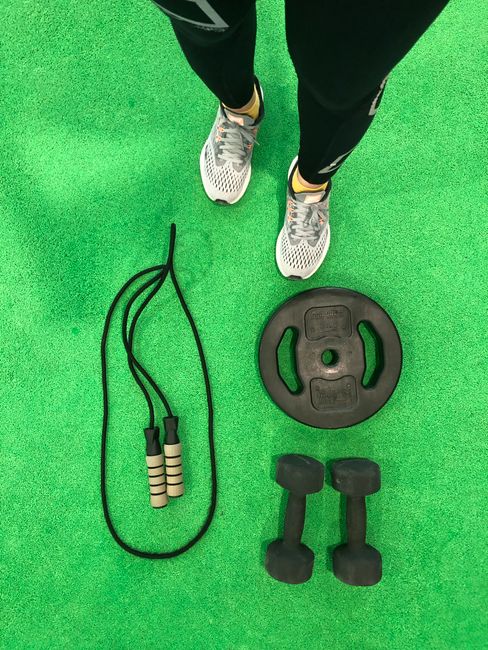
Unlock Your Fat-Burning Potential with At-Home HIIT
High-Intensity Interval Training (HIIT) involves short, intense bursts of anaerobic exercise followed by brief recovery periods. This training method significantly challenges your cardiovascular system and muscles.
The beauty of home-based HIIT lies in its convenience and minimal equipment requirements, making it accessible for everyone regardless of their fitness level or gym access.
What is HIIT and why is it effective for fat loss?
HIIT forces your body to work harder in a shorter amount of time, leading to a phenomenon known as the “afterburn effect” or Excess Post-exercise Oxygen Consumption (EPOC).
This means your body continues to burn calories at an elevated rate long after your workout is finished, contributing significantly to fat loss.
The convenience and benefits of home-based HIIT workouts
Working out at home eliminates travel time, gym fees, and the need for specialized equipment. Your own body weight is often all you need to achieve a highly effective HIIT session.
Beyond fat loss, regular home HIIT can improve cardiovascular health, increase endurance, and build lean muscle mass.
Understanding the Science: How HIIT Burns Fat
HIIT’s superior fat-burning capabilities are rooted in several physiological mechanisms. These include the pronounced EPOC effect and beneficial hormonal responses that optimize fat mobilization.
Understanding these processes can help you appreciate why HIIT is such a potent tool for body recomposition.
The EPOC effect (Afterburn) explained
The EPOC effect refers to the increased rate of oxygen intake following strenuous activity, which is crucial for restoring the body to its pre-exercise state. This recovery process requires energy, which your body primarily generates by burning fat.
According to a study published in Scientific Reports (2024), HIIT elicits greater energy expenditure and EPOC compared to moderate-intensity continuous training (MICT) in a shorter duration, highlighting its efficiency for fat loss due to increased lipid oxidation post-exercise.
Hormonal responses (HGH, catecholamines) and fat mobilization
High-intensity exercise triggers the release of key fat-mobilizing hormones, such as human growth hormone (HGH) and catecholamines (epinephrine and norepinephrine).
Research indicates that HIIT promotes fat mobilization through elevated lipolytic hormone release, proving more effective than MICT for fat reduction. A review citing studies by Zhang et al. (2017/2021) suggests that HIIT has a comparable or superior impact on fat loss and is more efficacious in diminishing visceral fat. Furthermore, a study in Lipids in Health and Disease (2024) noted HIIT’s ability to upregulate ATGL expression, a primary enzyme in fat mobilization.
Getting Started: Essential Considerations for Home HIIT
Before diving into intense intervals, it’s vital to prepare your body with a proper warm-up. This minimizes injury risk and optimizes performance during your workout.
Understanding work-to-rest ratios and listening to your body are also critical for sustainable and effective training.
Warm-up essentials (dynamic stretches, light cardio)
A good warm-up prepares your muscles and cardiovascular system for the upcoming intensity. Aim for 5-10 minutes of light cardio followed by dynamic stretches.
- Light Cardio: Marching in place, light jogging, arm circles.
- Dynamic Stretches: Leg swings, torso twists, arm windmills.
Understanding work-to-rest ratios for different fitness levels
The work-to-rest ratio determines the intensity and recovery periods within your HIIT session. Beginners might start with longer rest periods, gradually decreasing them as fitness improves.
- Beginner: 1:2 work:rest ratio (e.g., 20 seconds work, 40 seconds rest)
- Intermediate: 1:1 work:rest ratio (e.g., 30 seconds work, 30 seconds rest)
- Advanced: 2:1 work:rest ratio (e.g., 40 seconds work, 20 seconds rest)
The importance of listening to your body
While pushing yourself is part of HIIT, it’s crucial to distinguish between discomfort and pain. Always prioritize proper form over speed or repetitions.
If you experience sharp pain, stop the exercise immediately. Adequate rest days are also essential for muscle recovery and preventing overtraining.
Your Body is Your Gym: Effective Bodyweight HIIT Exercises
You don’t need fancy equipment to get a killer HIIT workout. Your own body weight provides sufficient resistance for a challenging and effective fat-loss routine.
Focus on compound movements that engage multiple muscle groups for maximum calorie burn.
Full Body Blasters:
- Burpees: A full-body explosive movement that targets legs, core, chest, and arms.
- Modification: Step back into a plank instead of jumping, omit the push-up, and stand up without a jump.
- Jump Squats: Engages glutes, quads, and hamstrings, adding a plyometric element for power.
- Modification: Perform regular squats without the jump, focusing on depth and speed.
- Mountain Climbers: A dynamic plank variation that works your core, shoulders, and legs.
- Jumping Jacks: A classic cardio exercise that elevates heart rate and warms up the whole body.
Lower Body Power:
- Lunge Jumps / Plyo Lunges: Explosive lunges that build power in the legs and glutes.
- High Knees: A fast-paced exercise that targets the lower abs and strengthens the leg muscles.
Upper Body & Core Strength:
- Plank variations:
- High Plank Hold: Strengthens core, shoulders, and back.
- Shoulder Taps: Adds an element of instability to the plank, engaging more core muscles.
- Downward Dog Push-ups: Targets shoulders and triceps, a great alternative to traditional push-ups.
Sample At-Home HIIT Workout Plans for Every Level
These sample plans provide a structured approach to integrating HIIT into your routine. Remember to warm up for 5-10 minutes before starting and cool down for 5 minutes afterward.
Adjust the work-to-rest ratios and the number of rounds based on your current fitness level and how you feel.
Beginner HIIT Plan (e.g., 20:40 work:rest, 3 rounds)
This plan focuses on mastering foundational movements with ample recovery, ensuring proper form and gradual adaptation.
- Workout Structure: Perform each exercise for 20 seconds, followed by 40 seconds of rest. Complete all exercises, then rest for 60-90 seconds before starting the next round. Do 3 rounds.
- Exercises:
- Jumping Jacks
- Squats (no jump)
- High Knees (marching in place if needed)
- Plank Hold (20 seconds)
- Alternating Lunges (no jump)
Intermediate HIIT Plan (e.g., 30:30 work:rest, 4 rounds)
Increase intensity and add more challenging variations to push your endurance and strength.
- Workout Structure: Perform each exercise for 30 seconds, followed by 30 seconds of rest. Complete all exercises, then rest for 45-60 seconds before starting the next round. Do 4 rounds.
- Exercises:
- Burpees (with step-back)
- Jump Squats
- Mountain Climbers
- Plank Shoulder Taps
- Lunge Jumps (alternating legs)
Advanced HIIT Challenge (e.g., 40:20 work:rest, 5 rounds)
For those ready to maximize their output, this plan features higher intensity and shorter recovery periods.
- Workout Structure: Perform each exercise for 40 seconds, followed by 20 seconds of rest. Complete all exercises, then rest for 30-45 seconds before starting the next round. Do 5 rounds.
- Exercises:
- Full Burpees with Push-up
- Plyometric Jumps (e.g., Box Jumps if you have a safe surface)
- Fast Mountain Climbers
- Downward Dog Push-ups
- High Knees (sprint pace)
Maximizing Your Fat Loss Journey with HIIT
While HIIT is incredibly effective, it’s just one piece of the puzzle. Combining it with other healthy habits will accelerate your fat loss and improve overall well-being.
Focus on a holistic approach that includes consistent effort, smart nutrition, and adequate recovery.
Consistency is Key: Sticking to your routine
Regularity trumps sporadic intensity. Aim for 3-4 HIIT sessions per week, allowing for rest days in between.
Consistency builds habits, leading to long-term results and sustained fat loss.
Nutrition Fundamentals: Fueling your body for results
Your diet plays a significant role in fat loss. Focus on a balanced intake of whole, unprocessed foods.
Prioritize lean protein, healthy fats, and complex carbohydrates to fuel your workouts and support recovery.
Recovery and Rest: Importance of sleep and active recovery
Muscles grow and repair during rest, not during your workout. Aim for 7-9 hours of quality sleep per night.
Active recovery, like light walking or stretching on rest days, can also aid in muscle soreness and flexibility.
Tracking Progress: Motivation and adjustments
Monitor your progress not just by the scale, but also by how you feel, your energy levels, and how easily you complete workouts.
Consider taking progress photos or measurements to observe changes in body composition over time.
Common Mistakes to Avoid in At-Home HIIT
To ensure safety and maximize effectiveness, be aware of common pitfalls when performing HIIT at home. Avoiding these can prevent injuries and keep you motivated.
Proper preparation and technique are paramount for a successful HIIT experience.
Skipping warm-up/cool-down
Neglecting these crucial phases increases the risk of muscle strains and injuries. A proper warm-up prepares your body, and a cool-down aids in recovery.
Always dedicate 5-10 minutes to each at the beginning and end of your session.
Poor form leading to injury
Rushing through exercises with incorrect form can lead to ineffective workouts and potential injuries. Watch videos, use mirrors, or even record yourself to check your technique.
Prioritize precision and control over speed, especially when learning new movements.
Over-training or insufficient rest
More isn’t always better with HIIT. Pushing yourself too hard without adequate recovery can lead to burnout, fatigue, and even hinder fat loss.
Respect your body’s need for rest and recovery days to allow for muscle repair and energy replenishment.
Looking for a Tested Solution for Your Health Goals?
Conclusion: Your Path to a Fitter, Leaner You, Right at Home
Embracing a bodyweight HIIT workout plan at home is a powerful and accessible strategy for significant fat loss and improved overall fitness.
By understanding the science, implementing effective exercises, and maintaining consistency, you can transform your body and health without ever stepping foot in a gym.