Struggling to shed stubborn fat despite your best efforts at the gym or with traditional cardio? You’re not alone; many find conventional routines inefficient for their busy lives. The solution lies in High-Intensity Interval Training (HIIT), a powerful method that maximizes fat burning and boosts your metabolism in minimal time, right from the comfort of your home.
I. Introduction
High-Intensity Interval Training, or HIIT, is a dynamic exercise strategy that alternates short bursts of intense anaerobic exercise with brief recovery periods. This powerful workout style has emerged as a game-changer for individuals seeking efficient and effective fat loss, fitting perfectly into even the busiest schedules.
Incorporating HIIT into your at-home fitness routine offers unparalleled benefits, transforming your body and boosting your cardiovascular health. It’s a time-efficient way to achieve significant results without needing expensive gym memberships or specialized equipment.
An at-home HIIT plan is incredibly versatile, making it beneficial for a wide range of individuals, from absolute beginners looking to kickstart their fitness journey to advanced enthusiasts aiming to break through plateaus. Its adaptability ensures everyone can find a challenge suitable for their current fitness level.
II. Understanding HIIT for Optimal Fat Loss
The scientific principles behind HIIT’s effectiveness in burning calories and reducing body fat are well-established. By pushing your body to its maximum capacity for short intervals, HIIT forces it to adapt and become more efficient at utilizing fat for fuel.
A key factor is EPOC (Excess Post-exercise Oxygen Consumption), commonly known as the “afterburn” effect. After a HIIT session, your body continues to burn calories at an elevated rate for hours as it recovers and returns to its pre-exercise state, significantly contributing to overall fat loss.
Furthermore, HIIT helps in preserving lean muscle mass while specifically targeting fat stores. Unlike prolonged steady-state cardio which can sometimes lead to muscle breakdown, the intense nature of HIIT, coupled with short durations, helps maintain and even build muscle, which is crucial for a healthy metabolism and body composition.
III. Designing Your Personalized At-Home HIIT Workout Plan
Warm-up Essentials
Every effective workout begins with a proper warm-up to prepare your muscles and cardiovascular system for intense activity. Dynamic stretches like arm circles, leg swings, and torso twists are crucial for increasing blood flow and flexibility.
Light cardio such as marching in place or a gentle jog can further elevate your heart rate, reducing the risk of injury and optimizing performance during your HIIT session. Aim for 5-10 minutes of dedicated warm-up before diving into your main workout.
Exercise Selection
For at-home HIIT, focus on bodyweight exercises that utilize multiple muscle groups, maximizing calorie expenditure. Options like squats, lunges, push-ups, and planks require no equipment and are highly effective.
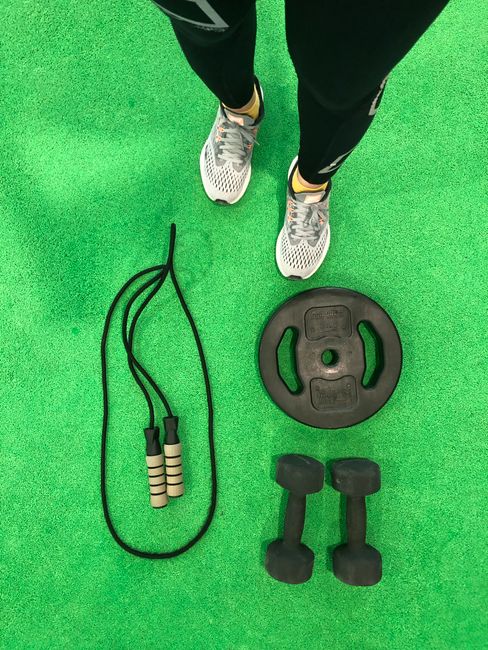
You can also incorporate minimal equipment if available, such as resistance bands or a jump rope, to add variety and intensity. Choose exercises that you can perform with good form, even at high intensity.
Workout Structure
The core of HIIT lies in its work-to-rest ratios, which typically range from 1:1 to 2:1 (work:rest). For example, 30 seconds of intense effort followed by 30 seconds of rest is a common starting point.
Determine the number of rounds and overall session duration based on your fitness level, aiming for 20-30 minutes, including warm-up and cool-down. Gradually increase work time or decrease rest time as your endurance improves.
Cool-down and Stretching
A proper cool-down is just as important as the warm-up for flexibility, muscle recovery, and injury prevention. Spend 5-10 minutes performing static stretches, holding each for 20-30 seconds.
Focus on major muscle groups worked during your session, such as quadriceps, hamstrings, glutes, and chest. This helps reduce muscle soreness and improves overall range of motion over time.
IV. Sample At-Home HIIT Workouts for Every Level
Here are some structured HIIT routines you can perform at home, tailored to different fitness levels. Remember to perform a 5-10 minute warm-up before starting and a 5-10 minute cool-down afterward.
A. Beginner-Friendly HIIT Routine
- Example Exercises:
- Jumping Jacks
- High Knees (marching or light jogging)
- Bodyweight Squats
- Plank Holds
- Suggested Structure: Perform each exercise for 30 seconds, followed by 30 seconds of rest. Complete 3 rounds of all exercises, with a 1-minute rest period between each round.
B. Intermediate HIIT Challenge
- Example Exercises:
- Burpees (modified, without push-up if needed)
- Mountain Climbers
- Alternating Lunges
- Push-ups (on knees or toes)
- Suggested Structure: Perform each exercise for 40 seconds, followed by 20 seconds of rest. Complete 4 rounds of all exercises, with a 45-second rest period between each round.
C. Advanced HIIT Power Session
- Example Exercises:
- Plyometric Jumps (box jumps or broad jumps)
- Commando Planks (alternating elbow to hand)
- Single-Leg Deadlifts (bodyweight)
- Jump Squats
- Suggested Structure: Perform each exercise for 45 seconds, followed by 15 seconds of rest. Complete 5 rounds of all exercises, with a 30-second rest period between each round.
V. Key Principles for Maximizing Fat Loss with HIIT
Consistency and Progressive Overload
Regular training is paramount for achieving sustainable fat loss with HIIT. Aim for 3-4 sessions per week, allowing adequate recovery time between workouts to prevent overtraining.
Gradually increasing intensity, duration, or decreasing rest periods over time through progressive overload is essential. This consistent challenge ensures your body continues to adapt and improve, preventing plateaus.
Nutrition Considerations
Fueling your body appropriately is crucial for both performance during HIIT and effective fat loss. Focus on a balanced diet rich in lean proteins, complex carbohydrates, and healthy fats.
Maintaining a healthy caloric deficit is necessary for fat loss, but ensure you’re consuming enough nutrients to support your energy levels and muscle recovery. Hydration with plenty of water is also key.
The Role of Rest and Recovery
While HIIT is highly effective, it’s also demanding on your body. Adequate rest and recovery are vital for allowing your muscles to repair and grow stronger, preventing burnout and injury.
Prioritize 7-9 hours of quality sleep per night and consider active recovery days with light activities like walking or yoga. Listen to your body and don’t push through extreme fatigue.
Listening to Your Body
Recognizing your limits and knowing when to scale back or take an extra rest day is fundamental to a sustainable fitness journey. Pushing too hard too often can lead to overtraining, injury, and demotivation.
Pay attention to signals like persistent soreness, decreased performance, or extreme fatigue. Adjusting your routine based on how you feel ensures you stay healthy and continue making progress.
VI. Common Mistakes to Avoid in At-Home HIIT
Overtraining and Burnout
The high-intensity nature of HIIT can be addictive, but doing too much too soon or too often can lead to overtraining syndrome. This can manifest as chronic fatigue, increased injury risk, and a plateau in results.
Stick to the recommended frequency of 3-4 sessions per week and ensure you include rest days. Balance intense workouts with active recovery and proper sleep to avoid burnout.
Compromising Form for Speed or Repetitions
In the pursuit of intensity, it’s easy to sacrifice proper exercise form, which significantly increases the risk of injury. Incorrect form also reduces the effectiveness of the exercise on target muscles.
Always prioritize correct technique over speed or the number of repetitions. If your form starts to falter, slow down, take a brief extra rest, or modify the exercise.
Neglecting Proper Nutrition and Hydration
Many believe that intense workouts alone are enough for fat loss, but nutrition plays an equally critical role. Failing to fuel your body with nutrient-dense foods can hinder recovery and fat-burning efforts.
Dehydration can also impair performance and overall health. Ensure you’re drinking plenty of water throughout the day, especially before, during, and after your HIIT sessions.
Sticking to the Same Routine Without Variety or Progression
Your body is incredibly adaptable, and performing the same exercises repeatedly will eventually lead to a plateau. Lack of variety can also make workouts monotonous and decrease motivation.
Regularly change your exercise selection, work-to-rest ratios, or number of rounds to keep your body challenged and engaged. Progressive overload ensures continuous improvement and prevents boredom.
VII. Conclusion
An at-home HIIT workout plan offers a powerful, efficient, and accessible pathway to achieving sustainable fat loss and improving overall fitness. By embracing its principles, you can transform your body and boost your health with minimal time commitment.
Embrace the journey, stay consistent, and listen to your body, and you will undoubtedly achieve your fitness goals from the convenience of your home. Your commitment to this dynamic training style will yield significant and lasting results.