Many individuals seeking rapid results often turn to weight loss juices, hoping for a quick fix to shed pounds and “detoxify” their bodies. While these vibrant concoctions promise significant benefits, the reality is often more complex than marketing claims suggest. Understanding the true impact, benefits, and potential downsides of incorporating juices into your diet is crucial for sustainable weight management and overall health.
How Weight Loss Juices Are Touted to Work
Proponents of weight loss juices often highlight several mechanisms through which these drinks are claimed to aid in shedding weight. These theories range from boosting metabolism to suppressing appetite and “cleansing” the body.
Metabolism Boosting
Some juice recipes include ingredients like cayenne pepper, ginger, or green tea extract, which are popularly believed to increase metabolism. The idea is that these thermogenic compounds can slightly elevate calorie burning, potentially contributing to weight loss over time.
Appetite Suppression
Juices, especially those rich in vegetables and some fruits, can contribute to a feeling of fullness due to their volume and nutrient density. This satiety might help reduce overall calorie intake by curbing hunger pangs between meals.
Detoxification Claims
A common marketing claim for weight loss juices is their supposed ability to “detoxify” the body. However, the human body naturally possesses efficient detoxification systems, primarily through the liver and kidneys. Scientific consensus indicates that special “detox” diets or juices are generally unnecessary for healthy individuals.
Nutrient Delivery
Juices can be a convenient way to consume a concentrated dose of vitamins, minerals, and antioxidants from fruits and vegetables. This high nutrient content can support overall health, which is a foundational aspect of effective weight management.
Hydration
Staying adequately hydrated is fundamental for numerous bodily functions, including metabolism and appetite regulation. Juices contribute to daily fluid intake, helping to keep the body well-hydrated.
Potential Benefits of Incorporating Juices (When Done Right)
While the claims around “weight loss juices” can be exaggerated, there are legitimate benefits to integrating certain types of juices into a balanced diet. These advantages typically stem from increased nutrient consumption and improved hydration.
- Increased Fruit and Vegetable Intake: Juicing can make it easier to meet daily recommendations for fruits and vegetables, especially for those who struggle to consume enough whole produce.
- Improved Hydration Levels: The high water content in most juices contributes significantly to daily fluid intake, which is vital for metabolic processes and general well-being.
- Potential for Initial Weight Reduction: Due to their low calorie count (if made correctly) and high water content, juices can lead to initial, rapid weight loss, often primarily from water weight. This can provide a psychological boost, though it’s rarely sustainable long-term.
- Convenience for Busy Individuals: For people with hectic schedules, a nutrient-dense juice can be a quick and easy way to consume essential vitamins and minerals on the go.
The Other Side of the Coin: Potential Downsides and Considerations
Despite the touted benefits, relying heavily on weight loss juices comes with significant drawbacks that can hinder sustainable weight loss and overall health. It’s crucial to understand these considerations before making juices a central part of your diet.
High Sugar Content
Many fruit-heavy juices, even those with “natural” sugars, can be very high in calories and sugar. Consuming large quantities can lead to blood sugar spikes and contribute to a calorie surplus, which ultimately hinders weight loss and can increase the risk of developing type 2 diabetes. The impact of liquid sugars on satiety is often less than solid food, meaning you might consume more calories without feeling full.
Lack of Fiber
A significant drawback of juicing is the removal of most dietary fiber. Fiber is essential for digestive health, promoting satiety, and regulating blood sugar levels. Without fiber, juices can be rapidly absorbed, leading to less sustained energy and quicker return of hunger. Whole fruits and vegetables are superior due to their intact fiber content.
Sustainability
Juice-only diets or cleanses are often restrictive and difficult to maintain long-term. Sustainable weight loss relies on lifestyle changes that can be integrated permanently, not short-term extreme measures. Such diets often lack essential macronutrients like protein and healthy fats, which are vital for satiety, muscle maintenance, and overall bodily function.
Lack of Scientific Evidence for Grand Claims
While individual ingredients in juices may have some health benefits, there is generally a lack of robust scientific evidence to support widespread claims that specific “weight loss juices” or juice cleanses are effective for significant, long-term weight loss or systemic detoxification. Most weight loss observed is temporary water weight.
Cost and Nutrient Deficiencies
Fresh juicing can be an expensive habit due to the large quantity of produce required. Furthermore, relying solely on juices can lead to deficiencies in essential macronutrients like protein and healthy fats, which are crucial for muscle mass preservation during weight loss, hormone production, and nutrient absorption.
What to Look For (and Avoid) in a Healthy Juice Option
If you choose to incorporate juices into your diet, making informed choices can maximize their benefits and minimize potential downsides. The key is to view them as a supplement to a balanced diet, not a replacement for whole foods.
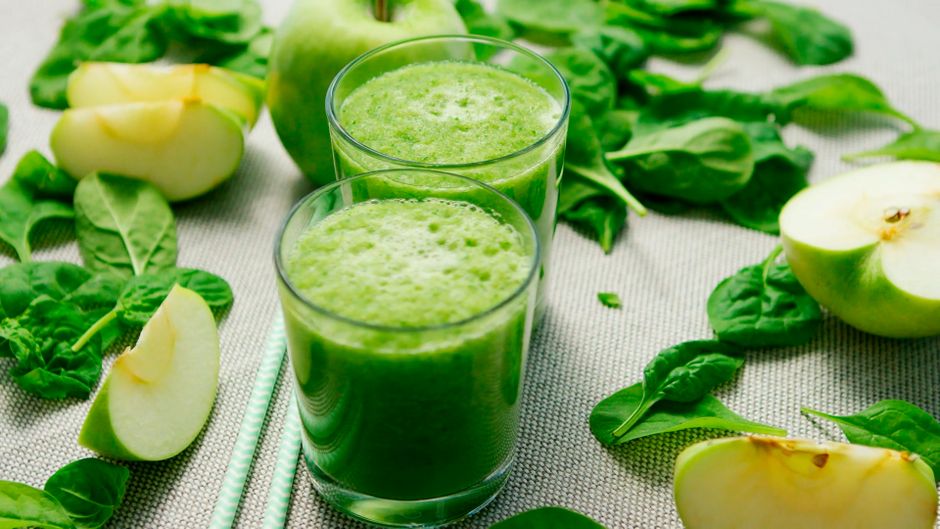
- Prioritize Vegetable-Heavy Options: Focus on juices with a higher proportion of vegetables (like spinach, kale, cucumber, celery) and a smaller amount of fruit for flavor (e.g., a slice of apple or a few berries). This significantly reduces sugar content.
- Look for Minimal Added Sugars: Always check labels for added sugars or artificial sweeteners. Ideally, your juice should contain only natural sugars from the fruits and vegetables themselves.
- Consider Juices as Part of a Meal: Instead of drinking juice on an empty stomach or as a stand-alone “meal replacement,” consider consuming it alongside a meal that provides protein and healthy fats. This helps balance blood sugar and promotes satiety.
- The Importance of Whole Foods: Remember that whole fruits and vegetables offer the added benefit of dietary fiber, which is crucial for satiety, digestion, and blood sugar control. Juices should complement, not replace, your intake of whole foods.
Integrating Juices into a Balanced Lifestyle for Weight Management
For truly effective and sustainable weight management, juices should be seen as one small component of a much broader, holistic strategy. They are not a magic bullet, but rather a tool that can support a healthy lifestyle when used thoughtfully.
- Juices as a Supplement, Not a Sole Solution: Use juices to boost nutrient intake or as a refreshing, low-calorie drink. Do not rely on them as your primary source of nutrition for an extended period.
- The Foundation: Prioritize a balanced diet rich in whole, unprocessed foods, regular physical activity, and adequate sleep. These are the pillars of sustainable weight loss.
- Portion Control and Mindful Eating: Even healthy juices contain calories. Be mindful of portion sizes, especially for fruit juices, and pay attention to your body’s hunger and fullness cues.
- Consult Healthcare Professionals: Before making significant dietary changes, especially if you have underlying health conditions, consult a doctor or a registered dietitian. They can provide personalized advice tailored to your specific health needs.
Conclusion: A Balanced Perspective on Juices and Weight Loss
Weight loss juices can offer some benefits, such as increased nutrient intake and hydration, particularly when focusing on vegetable-rich options. However, they are not a miracle cure for weight loss and come with significant downsides, including high sugar content and a lack of essential fiber and macronutrients.
Ultimately, a holistic approach combining a balanced diet of whole foods, regular exercise, sufficient sleep, and stress management remains the most effective and sustainable path to weight management and overall health. Make informed choices about how you incorporate juices into your lifestyle.