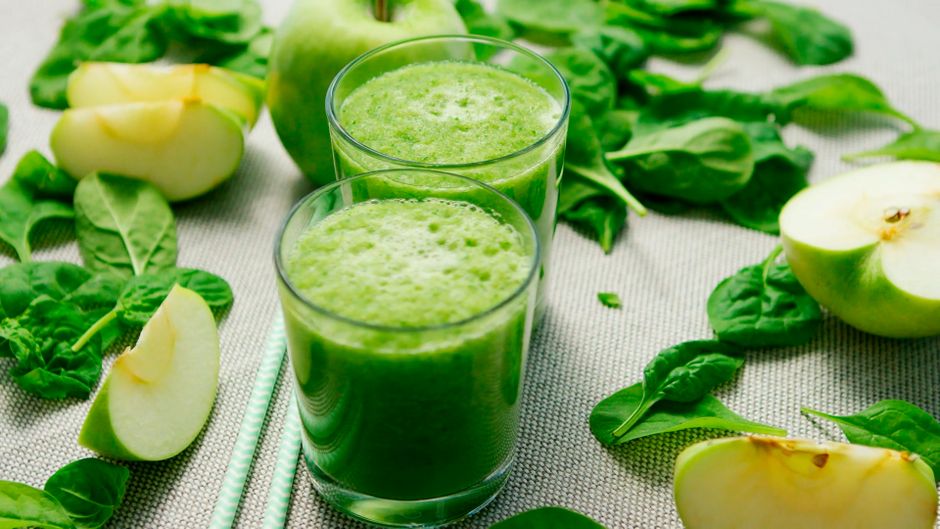
The allure of effortlessly shedding pounds often leads many to explore quick fixes, and weight loss juices have surged in popularity as a convenient solution. However, relying solely on these beverages without understanding their scientific backing can lead to disappointment and unsustainable results. This comprehensive guide will cut through the hype, examining the common ingredients, purported mechanisms, and what scientific evidence truly says about the efficacy of weight loss juices, helping you set realistic expectations for your health journey.
What Are Weight Loss Juices and How Do They Claim to Work?
Weight loss juices encompass a variety of products, from powdered mixes to fresh, blended concoctions, all marketed to support fat reduction and improve overall well-being. These products often combine fruits, vegetables, herbs, and other extracts, aiming to offer a concentrated dose of nutrients.
Manufacturers frequently claim these juices aid weight loss through several mechanisms. These include boosting metabolism to burn more calories, suppressing appetite to reduce food intake, detoxifying the body to eliminate harmful substances, and improving gut health for better digestion and nutrient absorption. It’s crucial to remember that these juices are typically positioned as one component of a broader, healthy lifestyle, not a standalone miracle solution.
Key Ingredients Often Found in Weight Loss Juices and Their Potential Benefits
Many weight loss juices feature a blend of ingredients, each chosen for its specific purported benefits. Understanding these components can help discern which claims hold scientific weight and which are merely marketing buzz.
Metabolism Boosters
- Green Tea Extract (EGCG): This potent antioxidant is frequently included for its thermogenic properties, meaning it may increase the body’s calorie-burning capacity. A study published in ScienceDirect (2015) found that a high dose of EGCG (856.8 mg daily) significantly decreased body weight, BMI, and waist circumference in obese women over 12 weeks.
- Fucoxanthin (from seaweed): Found in edible brown seaweeds, fucoxanthin is researched for its role in fat metabolism. Research, including a human study, suggests that fucoxanthin supplementation (e.g., 2.4-4.0 mg/day) may lead to significant reductions in body weight, fat content, and increased resting energy expenditure over 16 weeks, though more extensive studies are needed.
- Capsaicin (from cayenne pepper): The compound that gives chili peppers their heat, capsaicin is believed to increase metabolism and promote fat oxidation. Some research indicates it can modestly increase energy expenditure and reduce appetite.
Appetite Suppressants/Satiety Promoters
- Fiber (e.g., citrus pectin, psyllium husk): Dietary fiber is well-known for promoting feelings of fullness and satiety, helping to reduce overall calorie intake. It absorbs water and expands in the digestive tract, slowing digestion and nutrient absorption.
- Proteins (if applicable in some formulations): Certain juice formulations might include plant-based proteins, which are highly satiating. Protein consumption can help reduce hunger and preserve muscle mass during weight loss.
Detoxification & Liver Support
- Milk Thistle: Traditionally used to support liver health, milk thistle contains silymarin, a compound with antioxidant and anti-inflammatory properties. While beneficial for the liver, its direct impact on weight loss is not well-established.
- Dandelion Root: Often included for its diuretic properties, dandelion root is traditionally used to support kidney and liver function, potentially aiding in fluid balance. However, any “weight loss” attributed to it is primarily due to water loss, not fat reduction.
Antioxidants & Anti-inflammatory Compounds
- Resveratrol (from grapes/berries): This compound, found in the skin of red grapes and berries, is celebrated for its antioxidant and anti-inflammatory effects. While it offers general health benefits, direct evidence for significant weight loss in humans is limited.
- Berries & other fruit/vegetable extracts: Rich in vitamins, minerals, and antioxidants, these ingredients contribute to overall health. They help combat oxidative stress and inflammation, which can indirectly support a healthy metabolism.
Gut Health Promoters
- Probiotics/Prebiotics: Some weight loss juices incorporate these ingredients to support a healthy gut microbiome. A balanced gut flora is increasingly recognized for its potential influence on metabolism, inflammation, and even appetite regulation.
Realistic Expectations and Scientific Evidence
The question remains: do weight loss juices really work for sustainable weight loss? It’s essential to differentiate between anecdotal evidence and rigorous scientific study. While many ingredients show promise in isolated studies, particularly in animal models or in high, concentrated doses, their efficacy within a mixed juice formulation at typical consumer dosages is often less clear.
Do Weight Loss Juices Really Work?
For many “weight loss” ingredients, the scientific evidence for significant, long-term weight loss in humans when consumed as part of a juice is limited. Often, any observed weight loss can be attributed to a combination of factors, including a placebo effect, reduced calorie intake from replacing meals with low-calorie juices, or the adoption of healthier lifestyle habits alongside juice consumption. Sustainable weight loss is rarely achieved through a single product alone.
Potential Benefits Beyond Weight Loss
Even if not a magic bullet for weight loss, these juices can offer other health advantages. They can contribute to an increased nutrient intake, especially if made from a variety of fruits and vegetables, boosting your consumption of vitamins, minerals, and antioxidants. Additionally, they can aid in improved hydration and provide a convenient way for some individuals to consume more plant-based nutrients.
Considerations and Precautions When Choosing a Weight Loss Juice
If you’re considering incorporating weight loss juices into your diet, certain precautions and considerations are vital to ensure safety and effectiveness.
- Ingredient Transparency: Always scrutinize the ingredient list. Understand what each component is and its concentration. Proprietary blends can make it difficult to know the exact dosages of active ingredients.
- Sugar Content: Be wary of juices, especially fruit-based ones, that can be surprisingly high in natural or added sugars. High sugar intake can counteract weight loss efforts and negatively impact metabolic health.
- Artificial Additives: Opt for products with minimal artificial flavors, sweeteners, or preservatives. Natural, whole-food ingredients are always preferable.
- Consulting a Professional: Before starting any new supplement or dietary regimen, especially if you have underlying health conditions or are taking medications, consult with a doctor or registered dietitian. They can provide personalized advice and ensure the juice won’t interact negatively with your health.
- Not a Magic Bullet: Reiterate that sustainable and healthy weight loss is fundamentally achieved through a balanced, calorie-controlled diet rich in whole foods and regular physical activity. Juices should be seen as a potential complement, not a replacement, for these foundational practices.
Looking for a Tested Solution for Your Health Goals?
👉 See Our Verified Pick & Get Special Discount on BioFit Probiotic
Conclusion
Weight loss juices can play a supportive role in a healthy lifestyle by offering concentrated nutrients and promoting hydration. However, their direct impact on significant, sustainable weight loss is often less pronounced than marketing claims suggest, with scientific evidence varying greatly among individual ingredients and formulations. They are not a substitute for balanced nutrition and regular exercise.
Making informed choices means prioritizing transparency, understanding potential sugar content, and always consulting with health professionals. Ultimately, focusing on proven strategies for sustainable weight management—a balanced diet, consistent physical activity, and adequate rest—will yield the most lasting and beneficial results for your overall health and well-being.