Struggling with visible signs of aging or thinning hair? Many individuals seek effective, non-invasive solutions to these common cosmetic concerns, which can significantly impact self-confidence.
Red Light Therapy (RLT) offers a promising, innovative approach, harnessing specific wavelengths of light to stimulate cellular regeneration and provide a potential solution for rejuvenating skin and promoting healthier hair growth.
This guide explores the scientific principles behind RLT and its applications; however, it is for informational purposes only and does not endorse specific products or treatments. Always consult with a healthcare professional before starting any new therapy.
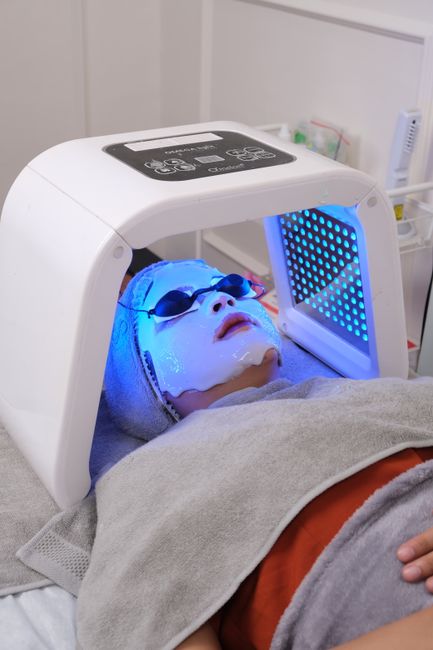
Understanding Red Light Therapy
Red Light Therapy involves exposing the body to low levels of red and near-infrared light. These specific wavelengths, typically between 630 to 850 nanometers, penetrate the skin and cellular layers, offering therapeutic benefits without heat or discomfort.
The primary mechanism involves the interaction of light with the mitochondria within our cells. This interaction is believed to boost adenosine triphosphate (ATP) production, providing cells with more energy for repair and regeneration.
Historically, RLT evolved from NASA research on plant growth in space and has since been adapted for various therapeutic applications. It is widely considered a non-invasive and painless treatment option.
Red Light Therapy for Skin Aging
Benefits for Skin Rejuvenation
RLT has garnered significant attention for its potential to combat various signs of skin aging. By stimulating cellular activity, it can help improve the overall health and appearance of the skin.
- Stimulation of collagen and elastin: These vital proteins are crucial for maintaining skin elasticity and firmness, leading to a reduction in the appearance of wrinkles and fine lines.
- Improved skin tone and texture: Regular sessions can contribute to a more even complexion and smoother skin surface.
- Reduction of inflammation and redness: The anti-inflammatory effects of RLT can be beneficial for calming irritated skin, potentially helping conditions like rosacea.
- Potential for addressing sun damage: Some research suggests RLT may aid in repairing photodamaged skin and reducing the visibility of age spots.
Numerous scientific investigations and clinical studies have explored the dermatological benefits of red light therapy. Research indicates its effectiveness in improving skin complexion, reducing fine lines, and enhancing collagen density, with a study published in Lasers in Surgery and Medicine (2014) finding significant improvements in skin tone, texture, and collagen in participants using RLT devices.
Red Light Therapy for Hair Growth
Benefits for Hair Follicle Stimulation
Beyond skin benefits, red light therapy is also being explored as a method to encourage hair growth and reduce hair loss. It targets the hair follicles, providing a stimulating environment for healthier hair.
- Increasing blood flow to the scalp: Enhanced circulation delivers more oxygen and nutrients to hair follicles, which are essential for growth.
- Awakening dormant hair follicles: RLT can help to revitalize inactive follicles, potentially leading to new hair growth.
- Extending the anagen (growth) phase of hair: By prolonging this crucial phase, RLT can contribute to thicker, stronger hair strands and reduce shedding.
- Addressing androgenetic alopecia: Many studies focus on its efficacy for pattern baldness in both men and women, showing promising results in increasing hair count and density.
The scientific community has conducted various trials on RLT for hair loss. A study published in the Journal of Clinical and Aesthetic Dermatology (2014) demonstrated that low-level laser therapy (a form of RLT) significantly improved hair density in men and women with androgenetic alopecia, indicating its potential as a non-invasive treatment option.
How to Incorporate Red Light Therapy into Your Routine (General Guidance)
Integrating red light therapy into your daily or weekly regimen can be straightforward, but understanding the general principles of use is key. Consistency is paramount to achieving potential benefits.
Types of RLT Devices
Various red light therapy devices are available for home use, catering to different needs. These range from full-body panels and larger beds to targeted facial masks, handheld wands, and caps specifically designed for scalp treatment.
Each type offers different coverage and intensity, making it important to consider what areas you wish to treat. While the market offers a wide array, the core technology remains focused on delivering therapeutic light wavelengths.
Factors to Consider for Use
When using RLT, several general parameters influence its effectiveness. Paying attention to these can help you optimize your experience.
- Wavelength: Most effective devices utilize red light (around 630-670 nm) and near-infrared light (around 810-880 nm) for deeper penetration.
- Intensity (Irradiance): This refers to the power output of the device, measured in mW/cm². Higher irradiance typically means shorter treatment times.
- Duration of Sessions: Typical sessions might last from 5 to 20 minutes, depending on the device’s power and the area being treated. Always refer to manufacturer guidelines.
- Frequency of Use: For best results, consistent application is often recommended, usually several times per week, rather than sporadic use.
Importance of Consistency
Like many therapeutic interventions, red light therapy requires regular and consistent application to yield noticeable results. Cellular regeneration and repair are gradual processes that build over time.
Adhering to a regular schedule, even for short periods, is more effective than infrequent, long sessions. Patience and dedication are key to maximizing the potential benefits of RLT.
General Safety Guidelines and Precautions
While red light therapy is generally considered safe, it’s important to follow basic safety precautions. Always use proper eye protection, such as blackout goggles, especially when treating areas near the face.
Additionally, always adhere strictly to the manufacturer’s guidelines for any device you use. Overuse or improper application could potentially lead to minor skin irritation, though this is rare.
Potential Risks and Side Effects
Red Light Therapy boasts a strong safety profile and is generally well-tolerated by most users. The non-invasive nature of the treatment contributes to its minimal side effects.
Any minor, temporary side effects that might occur are typically mild and localized. These can include transient skin redness or a sensation of warmth in the treated area, which usually subsides quickly.
Temporary eye strain or discomfort could occur if proper eye protection is not consistently used during sessions. It is crucial to always wear the provided protective eyewear or ensure your device has built-in eye safety features.
Contraindications and Consultations
While largely safe, certain individuals should exercise caution or avoid RLT altogether. This includes individuals who are pregnant, those with a history of seizures, or people taking photosensitizing medications that increase sensitivity to light.
It is critically important to consult with a doctor or a qualified healthcare professional before starting any new therapy, including red light therapy. They can assess your individual health status and determine if RLT is appropriate and safe for your specific needs.
What to Look for in Red Light Therapy Devices (General, Non-Commercial Advice)
Choosing a red light therapy device involves understanding key specifications and ensuring safety standards are met. This section offers general advice without recommending specific brands or products.
Understanding Specifications
Familiarize yourself with the technical details of a device before making a decision. Key specifications to consider include the specific red and near-infrared wavelengths emitted, as well as the irradiance level (power output).
Devices that offer both red and near-infrared wavelengths often provide broader benefits, as near-infrared light penetrates deeper into tissues. Higher irradiance can signify a more efficient and potentially effective device.
Safety Standards
Prioritize devices that adhere to recognized safety and quality certifications from reputable organizations. These certifications indicate that the product has undergone rigorous testing and meets specific health and safety requirements.
Look for information regarding electromagnetic field (EMF) emissions and ensure the device has appropriate cooling mechanisms. Safety should always be a top consideration when evaluating RLT equipment.
User Experiences
While not a substitute for professional medical advice, researching general user reviews and experiences can provide valuable insights. This involves looking at a broad range of feedback to understand common opinions and potential challenges.
Consider general sentiment regarding ease of use, durability, and perceived effectiveness. This due diligence can help inform your decision-making process without relying on specific product endorsements.
Conclusion
Red Light Therapy presents a promising and increasingly popular avenue for addressing both skin anti-aging concerns and promoting hair growth. Its non-invasive nature and scientific backing for cellular regeneration make it an appealing option for many.
By understanding its mechanisms, benefits, and proper application, individuals can explore RLT as a complementary approach to their wellness routines. However, the importance of thorough personal research and consulting with healthcare professionals cannot be overstated.
As research continues to evolve, the future of Red Light Therapy holds exciting potential for broader applications in health and aesthetics. Always ensure any new therapy aligns with your health goals and is medically appropriate for your individual circumstances.