Experiencing brain fog, memory lapses, or difficulty concentrating can be frustrating, impacting daily productivity and quality of life. Lion’s Mane mushroom (Hericium erinaceus), a unique culinary and medicinal fungus, offers a compelling natural solution for enhancing cognitive function. This guide delves into the scientific evidence supporting Lion’s Mane’s ability to sharpen memory, improve focus, and protect brain health.
Understanding Lion’s Mane Mushroom
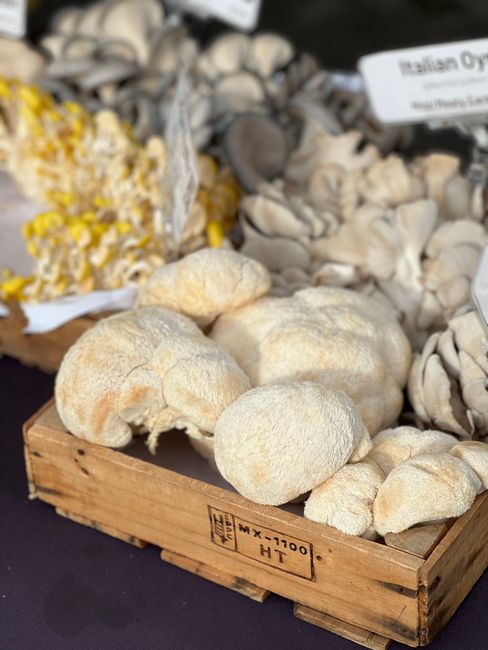
Lion’s Mane mushroom is easily recognizable by its shaggy, white appearance, resembling a lion’s mane as it grows. Native to North America, Europe, and Asia, it typically thrives on hardwood trees and has been revered for centuries in traditional Eastern medicine.
Historically, it was used to promote digestion, boost energy, and, notably, enhance cognitive abilities. Modern science is now beginning to validate these traditional uses, focusing on its unique bioactive compounds.
Key Bioactive Compounds
The primary compounds responsible for Lion’s Mane’s profound effects are Hericenones and Erinacines. Hericenones are found in the fruiting body of the mushroom, while Erinacines are predominantly in its mycelium.
These compounds are crucial for their neurotrophic properties, particularly their ability to stimulate nerve growth factor (NGF) synthesis. This stimulation is central to many of the observed cognitive benefits.
The Core Mechanisms of Cognitive Enhancement
Lion’s Mane operates through several pathways to support and enhance brain health. Its unique compounds interact with neural systems to foster an environment conducive to optimal cognitive function.
Neurogenesis & Nerve Growth Factor (NGF)
One of the most exciting aspects of Lion’s Mane is its purported ability to stimulate neurogenesis, the growth of new brain cells. Research suggests that Hericenones and Erinacines can cross the blood-brain barrier to directly induce the production of Nerve Growth Factor (NGF).
NGF is a vital protein that promotes the growth, maintenance, and survival of neurons. This stimulation of NGF is believed to be a key mechanism by which Lion’s Mane supports neuronal health and plasticity, crucial for learning and memory.
Myelin Sheath Support
Beyond neurogenesis, Lion’s Mane may also play a role in maintaining the integrity of the myelin sheath. Myelin is a fatty substance that insulates nerve fibers, allowing for efficient and rapid transmission of electrical signals.
Supporting myelin health ensures robust neural communication, which is essential for quick thinking and coordinated cognitive processes. Damage to the myelin sheath is often associated with cognitive decline.
Antioxidant & Anti-inflammatory Effects
The mushroom also boasts significant antioxidant and anti-inflammatory properties. Chronic inflammation and oxidative stress are known contributors to neuronal damage and cognitive impairment.
By neutralizing harmful free radicals and reducing inflammation, Lion’s Mane helps protect brain cells from damage, thereby supporting overall brain health and potentially mitigating age-related decline.
Exploring the Cognitive Benefits
The comprehensive actions of Lion’s Mane translate into several noticeable cognitive enhancements. From memory recall to sharper focus, its potential impacts are broad and significant.
Memory Improvement
Users and preliminary studies suggest that Lion’s Mane can significantly improve memory function. Both short-term recall and long-term memory consolidation may benefit from its neurotrophic effects.
For instance, a study published in Phytotherapy Research (2008) involving older adults with mild cognitive impairment showed that daily intake of Lion’s Mane significantly improved cognitive function scores compared to a placebo group. Participants experienced enhanced memory and recognition skills.
Enhanced Focus and Concentration
Many individuals report improved mental clarity and attention span after incorporating Lion’s Mane. By reducing brain fog and supporting efficient neural pathways, it can help sustain focus during demanding tasks.
This enhanced concentration may be particularly beneficial for students, professionals, and anyone seeking to optimize their mental performance without stimulant-induced jitters.
Neuroprotective Properties
The ability of Lion’s Mane to promote NGF and reduce oxidative stress provides strong neuroprotective benefits. This protection is crucial for potentially safeguarding against age-related cognitive decline and neurodegenerative conditions.
While more extensive human research is needed, preclinical studies indicate its potential in protecting neurons from damage associated with various neurological challenges, highlighting its role as a powerful brain tonic.
Mood Regulation & Stress Reduction
Indirectly supporting cognitive function, Lion’s Mane has also shown promise in mood regulation. Some research points to its anxiolytic (anti-anxiety) and antidepressant-like effects.
By alleviating stress and anxiety, it creates a more conducive mental state for optimal cognitive performance, allowing for better focus and clearer thinking.
Scientific Research and Evidence Overview
The scientific community continues to explore the full spectrum of Lion’s Mane’s cognitive benefits. Both human and animal studies provide valuable insights into its mechanisms and efficacy.
Human Studies
While still emerging, human clinical trials on Lion’s Mane and cognitive function are promising. In addition to the aforementioned study on mild cognitive impairment, another trial demonstrated its potential to improve symptoms of depression and anxiety, which can indirectly impact cognitive performance.
These studies, though often small in scale, underscore the need for larger, more diverse human trials to fully establish its therapeutic potential.
Animal Studies
Preclinical research, primarily conducted on rodents, has provided significant insights into how Lion’s Mane works at a cellular level. Animal models have shown improvements in recognition memory, spatial memory, and a reduction in amyloid-beta plaque associated with neurodegeneration.
A study in the Journal of Agricultural and Food Chemistry (2012) illustrated how Lion’s Mane extract enhanced object recognition memory in mice, linking it to increased NGF levels in the hippocampus.
Limitations and Future Research
Despite the encouraging findings, current research on Lion’s Mane has limitations. Many human studies are small, short-term, or conducted on specific populations, such as older adults with cognitive impairment.
More extensive, long-term, randomized controlled trials are needed to fully understand its effects on healthy individuals, optimal dosages, and potential long-term benefits and safety. This ongoing research will provide a clearer picture of its role as a natural nootropic.
Incorporating Lion’s Mane for Cognitive Support (General Guidance)
If you’re considering adding Lion’s Mane to your wellness routine, understanding its various forms and general considerations for use can be helpful. Always prioritize safety and consult with a healthcare professional.
Available Forms
Lion’s Mane is widely available in several forms to suit different preferences. Common options include powders, which can be added to drinks or food; capsules, offering convenient, precise dosing; and tinctures, which are liquid extracts.
You can also find fresh Lion’s Mane mushrooms in specialty stores, which can be cooked and enjoyed as a culinary delicacy, offering both flavor and potential benefits.
General Considerations for Use
When starting with Lion’s Mane, it’s generally advisable to begin with a low dose and gradually increase it as needed, observing how your body responds. Consistency is often key to experiencing potential benefits, so regular intake is recommended.
While there’s no universally agreed-upon “optimal” dose, following the manufacturer’s recommendations on supplement labels is a good starting point. Personal tolerance and desired effects can vary.
Potential Side Effects & Precautions
Lion’s Mane is generally well-tolerated, with a low incidence of side effects. Some individuals might experience mild digestive upset, such as stomach discomfort or diarrhea, especially when first starting.
Allergic reactions, though rare, are possible, as with any natural product. If you are on medication, have pre-existing health conditions, or are pregnant or breastfeeding, it is crucial to consult a healthcare provider before starting any new supplement.
Importance of Professional Consultation
Before incorporating Lion’s Mane or any new supplement into your regimen, it is highly recommended to consult with a qualified healthcare provider. They can offer personalized advice, discuss potential interactions with medications, and ensure it aligns with your individual health needs and goals.
Conclusion
Lion’s Mane mushroom stands out as a remarkable natural compound with compelling potential for enhancing cognitive function. Its unique ability to stimulate Nerve Growth Factor, support myelin, and provide antioxidant protection collectively contributes to improved memory, focus, and overall brain health.
While research continues to evolve, the existing evidence, both traditional and scientific, paints a picture of Lion’s Mane as an exciting natural nootropic with significant promise. We encourage you to continue exploring and making informed decisions about your brain health journey, always prioritizing professional medical advice.