Struggling with concerns about bone density or the risk of osteoporosis can be a significant worry as we age, potentially leading to fragility and fractures. The good news is that a powerful combination of nutrients, Vitamin D3 and K2, offers a compelling solution to support and strengthen your skeletal system. Together, these two essential vitamins work synergistically to ensure calcium is properly absorbed and directed to your bones, enhancing their strength and reducing health risks.
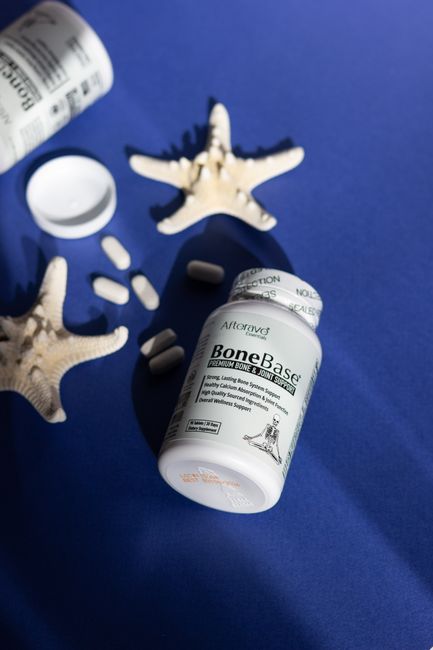
Understanding the Importance of Bone Health
Our bones are far from static; they are living tissues constantly undergoing a process called remodeling. This involves old bone tissue being removed and new bone tissue being formed, a delicate balance crucial for maintaining bone strength and integrity throughout our lives.
Maintaining strong bones is paramount for mobility, protecting our organs, and preventing conditions like osteoporosis. Both Vitamin D3 and K2 play indispensable roles in this continuous process, acting as key cofactors to ensure our skeleton remains robust and resilient.
Vitamin D3: The Sunshine Vitamin and Calcium Absorption
Often called the “sunshine vitamin,” Vitamin D3 is synthesized in the skin upon exposure to sunlight. Its primary and most well-known role in the body is facilitating the absorption of calcium from the gut into the bloodstream, making calcium available for bone mineralization and other vital bodily functions.
Beyond calcium absorption, Vitamin D3 also supports immune function and cellular growth. A deficiency in Vitamin D3 can lead to significant problems, including weakened bones (osteomalacia in adults, rickets in children), increased bone loss, and a higher risk of fractures due to insufficient calcium availability for bone building.
Scientific Insights on Vitamin D3 and Bone Health
Research consistently highlights Vitamin D’s critical role. According to a review published in PMCS (2012), insufficient vitamin D intake can result in classical deficiency diseases like rickets and osteomalacia, increased bone metabolism, and an enhanced fracture risk, particularly in older people.
While essential, it’s important to note that a large randomized, controlled trial published in the New England Journal of Medicine (2022) found that supplemental Vitamin D3 (2000 IU/day) alone did not lower fracture risk in healthy U.S. adults not selected for deficiency, low bone mass, or osteoporosis, suggesting its effects may be more pronounced in deficient populations or when combined with other nutrients.
Vitamin K2: Directing Calcium to Where It Belongs
Vitamin K2, specifically menaquinone (MK), is crucial for bone and cardiovascular health. It comes in various forms, with MK-4 and MK-7 being the most studied; MK-7 is generally recognized for its longer half-life and better bioavailability.
K2’s primary role in bone health involves activating specific proteins: osteocalcin and matrix Gla protein (MGP). Activated osteocalcin binds calcium, incorporating it into the bone matrix, while activated MGP prevents calcium from depositing in soft tissues like arteries and cartilage.
Dietary Sources of Vitamin K2
- MK-4: Found in animal products like egg yolks, butter, and certain fermented cheeses.
- MK-7: Predominantly found in natto (a traditional Japanese fermented soybean dish) and some other fermented foods.
The Importance of K2 Activation
Without adequate Vitamin K2, calcium can accumulate in the wrong places, potentially leading to arterial calcification and increasing the risk of cardiovascular issues, while simultaneously leaving bones vulnerable to weakness. K2 acts as the “traffic cop,” directing calcium to where it’s most needed—your bones and teeth.
A meta-analysis of 19 Randomized Controlled Trials (RCTs) found that Vitamin K2 played a significant role in maintaining vertebral bone mineral density (BMD) and preventing fractures in postmenopausal women with osteoporosis, as highlighted in a review published in Nutrients (2024).
The Powerful Synergy: Why D3 and K2 are Better Together for Bones
The true power for bone health emerges when Vitamin D3 and K2 are combined. Think of it this way: Vitamin D3 is excellent at increasing calcium absorption into your bloodstream, but it’s Vitamin K2 that ensures this calcium is properly utilized by your bones, rather than settling in your arteries or other soft tissues.
This synergistic relationship ensures optimal bone mineralization. D3 provides the building blocks (calcium), and K2 directs those blocks to the construction site (your bones) and away from areas where they could cause harm.
Scientific Evidence of Combined Benefits
Numerous studies support this dynamic duo. A meta-analysis of eight randomized controlled trials involving 971 subjects revealed that individuals taking both Vitamin D and K experienced significantly increased total bone mineral density (BMD) and a significant decrease in undercarboxylated osteocalcin, indicating better calcium utilization in bones. This meta-analysis, featured by CASI.org, also noted K2’s superiority over K1 in improving BMD.
Furthermore, a Japanese study published in Maturitas (2025) followed 92 postmenopausal women with osteoporosis. Those who received a combination of Vitamin K2 (45 mg daily as MK-4) and Vitamin D3 showed a substantial 4.92% increase in bone mineral density, significantly higher than those taking K2 alone, underscoring the benefits of their combined action.
Beyond Bones: Additional Health Benefits of D3 and K2
While their role in bone health is primary, the benefits of Vitamin D3 and K2 extend further. Vitamin K2, in particular, is vital for cardiovascular health by preventing the calcification of arteries, a major factor in heart disease.
Vitamin D3 also plays a broader role in overall well-being, influencing mood, muscle function, and immune system strength. Together, they form a powerful alliance for comprehensive health support.
Optimizing Your Intake: General Guidelines for D3 and K2
Optimizing your intake of Vitamin D3 and K2 is a proactive step toward robust bone health. While individual needs vary, there are general guidelines to consider, always emphasizing consultation with a healthcare professional to tailor advice to your specific health profile.
Recommended Forms and Dosages (General)
- Vitamin D3: Many experts recommend daily intakes ranging from 600-2000 IU (15-50 mcg), though some individuals, especially those with deficiencies, may require higher doses under medical supervision. Sunlight exposure remains a natural source.
- Vitamin K2 (MK-7): Due to its superior bioavailability and longer half-life, MK-7 is often preferred for bone health. Typical recommended daily intakes range from 90-180 mcg. MK-4 is also effective but requires much higher doses (e.g., 45 mg) to achieve therapeutic effects, often used in specific clinical contexts.
Factors Affecting Absorption and Synthesis
Several factors can influence how well your body absorbs and utilizes these vitamins. These include dietary fat intake (both D3 and K2 are fat-soluble), gut health, age, skin pigmentation (for D3 synthesis), and certain medications. Consulting a doctor can help identify any potential absorption issues and ensure effective supplementation.
Always prioritize obtaining these vitamins through a balanced diet rich in diverse nutrients. When considering supplementation, choose high-quality supplements and discuss appropriate dosages and forms with your healthcare provider to maximize benefits and ensure safety.
Conclusion: Nurturing Your Skeleton with Essential Nutrients
The partnership between Vitamin D3 and K2 is undeniably powerful for maintaining and building strong, healthy bones. Vitamin D3 ensures adequate calcium availability, while Vitamin K2 precisely guides that calcium to its rightful place within the bone structure, simultaneously safeguarding your cardiovascular health.
By understanding and prioritizing these essential vitamins, you can take significant steps toward nurturing your skeleton, preventing bone-related issues, and supporting your overall long-term wellness. Empower your body with this dynamic duo for a healthier, stronger future.