Struggling with focus or concerned about long-term brain health? Many people seek natural ways to enhance their cognitive function as they age or face daily mental demands. Lion’s Mane mushroom, a unique medicinal fungus, offers a compelling natural solution, supporting memory, concentration, and overall brain vitality.
1. Introduction to Lion’s Mane Mushroom
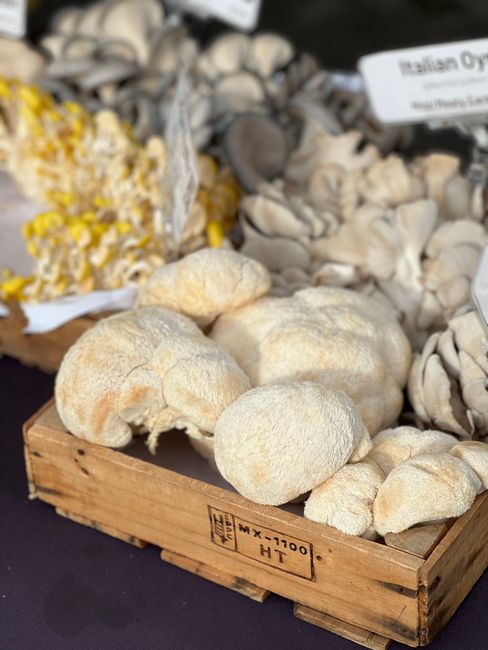
Lion’s Mane mushroom (Hericium erinaceus) is a striking fungus, recognizable by its cascading, shaggy spines that resemble a lion’s mane. This unique appearance sets it apart from other edible and medicinal mushrooms, making it easily identifiable in natural settings.
For centuries, Lion’s Mane has been a staple in traditional East Asian medicine, particularly in China and Japan, where it was revered for its health-promoting properties. Its use ranged from supporting digestion to enhancing overall vitality and cognitive well-being. Today, it has gained significant popularity in the Western wellness community as a potent nootropic and superfood, celebrated for its profound impact on brain health.
2. Key Bioactive Compounds in Lion’s Mane
The remarkable health benefits of Lion’s Mane mushroom are attributed to its unique array of bioactive compounds. These include specific triterpenes and polysaccharides that work synergistically within the body.
Hericenones: Their Role in Nerve Growth Factor (NGF) Production
Hericenones are potent compounds found primarily in the mushroom’s fruiting body. They are known for their ability to stimulate the synthesis of Nerve Growth Factor (NGF) within the brain.
Erinacines: Crossing the Blood-Brain Barrier
Erinacines, found predominantly in the mycelium of Lion’s Mane, are crucial for its neurogenic effects. These unique compounds are small enough to cross the blood-brain barrier, allowing them to directly influence brain cells and promote nerve regeneration.
Polysaccharides (Beta-Glucans) and Other Beneficial Compounds
Beyond hericenones and erinacines, Lion’s Mane also contains beneficial polysaccharides, including beta-glucans. These compounds are well-known for their immune-modulating effects and contribute to the mushroom’s overall health benefits, complementing its brain-boosting properties.
3. How Lion’s Mane Supports Brain Health and Cognition
Lion’s Mane mushroom exerts its cognitive benefits through several intricate mechanisms within the brain. Its unique compounds work to foster a healthy neurological environment, promoting both the growth and protection of brain cells.
Stimulating Nerve Growth Factor (NGF)
Nerve Growth Factor (NGF) is a vital protein that plays a critical role in the growth, maintenance, and survival of neurons. Adequate NGF levels are essential for preserving neuronal health and function throughout life.
Lion’s Mane enhances NGF synthesis, helping the brain to produce more of this crucial protein. According to a study in Kuala Lumpur (2013), Lion’s Mane extract significantly induced NGF synthesis and promoted neurite outgrowth, demonstrating its direct impact on nerve cell development.
Promoting Neurogenesis
Neurogenesis refers to the remarkable process of creating new neurons in the adult brain. Lion’s Mane contributes to this vital function, particularly in areas like the hippocampus, which is crucial for learning and memory.
By promoting neurogenesis, Lion’s Mane may enhance brain plasticity, allowing the brain to adapt and form new connections more efficiently. This can lead to improved cognitive flexibility and resilience against cognitive decline.
Neuroprotective Properties
Beyond promoting growth, Lion’s Mane also offers significant neuroprotective benefits, safeguarding brain cells from damage. These effects are crucial for long-term brain health and preventing neurodegenerative processes.
Its compounds exhibit potent antioxidant effects, helping to neutralize harmful free radicals that can damage brain cells. Furthermore, Lion’s Mane helps in reducing neuroinflammation, a factor implicated in various neurological conditions. A study by Lew et al. showed that Hericium erinaceus extract enhanced neuronal survival by reducing oxidative stress in brain cells, linking this to increased NGF levels and activated antioxidant defense mechanisms.
4. Specific Cognitive Benefits of Lion’s Mane Mushroom
The neurogenic and neuroprotective actions of Lion’s Mane translate into several tangible cognitive improvements. These benefits make it a valuable supplement for individuals seeking to optimize their brain function.
Enhanced Memory and Learning
Lion’s Mane is often associated with significant improvements in memory function. It supports both short-term and long-term memory recall by fostering healthier neural pathways and improving neuronal communication.
By enhancing brain plasticity and neurogenesis, it can also improve overall learning capacity. This makes it a potential aid for students, professionals, and anyone looking to absorb and retain new information more effectively.
Improved Focus and Concentration
Many users report a noticeable improvement in their ability to focus and concentrate after incorporating Lion’s Mane into their routine. It helps to reduce “mental fog” and supports clearer, more sustained attention.
This enhanced mental clarity and boosted alertness can be particularly beneficial in demanding cognitive tasks or during periods requiring sustained mental effort. It contributes to a feeling of greater mental sharpness.
Potential for Mild Cognitive Impairment (MCI)
Research suggests that Lion’s Mane may offer benefits for individuals experiencing mild cognitive impairment (MCI), a condition often seen as a precursor to more severe cognitive decline. Early intervention is crucial in managing MCI.
A notable double-blind, placebo-controlled trial conducted in Japan (Mori et al., 2008) involved 50-80 year olds with MCI. Participants who received Lion’s Mane dry powder showed significantly improved cognitive test scores over a 16-week period compared to the placebo group, highlighting its potential in supporting cognitive function. More human trials are ongoing to solidify these findings.
Role in Neurodegenerative Disease Prevention (Future Research)
While human clinical trials are still limited, preliminary animal studies have explored Lion’s Mane’s potential role in protecting against neurodegenerative diseases like Alzheimer’s and dementia. These studies offer promising insights into its future therapeutic applications.
It is crucial to emphasize that while the findings are encouraging, more extensive and rigorous human trials are needed to confirm these neuroprotective effects. Lion’s Mane should not be considered a cure for such conditions but rather a supportive natural compound.
5. Beyond Cognition: Other Health Benefits
While celebrated for its cognitive impact, Lion’s Mane mushroom offers a broader spectrum of health benefits that extend beyond brain function. Its rich nutritional profile contributes to overall well-being.
Immune System Support
Lion’s Mane possesses significant immunomodulatory effects, meaning it can help regulate and balance the immune system. Its polysaccharides, particularly beta-glucans, are key players in this role.
By supporting immune health, Lion’s Mane can help the body’s natural defenses function more effectively. This contributes to general resilience and protection against various pathogens.
Anti-inflammatory and Antioxidant Effects
The mushroom is rich in compounds that exhibit potent anti-inflammatory and antioxidant effects throughout the body. These properties are crucial for combating oxidative stress and chronic inflammation, which are underlying factors in many chronic diseases.
These systemic benefits contribute to cellular health and can protect various organs from damage. By reducing inflammation, Lion’s Mane supports a healthier internal environment.
Mood Support
Emerging research suggests a potential link between Lion’s Mane and improved mood regulation, including a reduction in symptoms of anxiety and depression. This effect might be related to its influence on neurotransmitters and neuroinflammation.
While more research is needed, its ability to support brain health holistically may contribute to a more balanced emotional state and improved mental well-being.
6. Dosage, Forms, and Considerations
Understanding the proper way to consume Lion’s Mane is essential to maximize its benefits and ensure safety. It is available in various forms, offering flexibility for different preferences.
Common Forms: Extracts, Powders, Capsules
Lion’s Mane mushroom is widely available as dried powders, encapsulated forms (capsules), and concentrated extracts (tinctures or liquid extracts). Extracts are often preferred for their higher concentration of bioactive compounds.
General Dosage Guidelines
Typical dosages can vary based on the product’s concentration and specific health goals. Generally, dosages range from 500 mg to 3,000 mg per day, often divided into multiple servings.
For cognitive benefits, some studies, such as the Mori et al. (2008) trial on MCI, used 1,000 mg of dry powder three times a day. Always follow the manufacturer’s recommendations on product labels, as concentrations can differ significantly.
Safety Profile and Potential Mild Side Effects
Lion’s Mane is generally considered safe and well-tolerated by most individuals, with a low incidence of side effects. Any reported side effects are usually mild and may include digestive upset or skin itchiness, particularly at high doses.
Who Should Consult a Doctor
While safe for most, certain individuals should exercise caution and consult a healthcare professional before taking Lion’s Mane. This includes pregnant or breastfeeding women, individuals with specific medical conditions, or those taking prescription medications, especially blood thinners or diabetes medications.
7. Frequently Asked Questions (FAQs)
Q: How long does it take for Lion’s Mane to work?
A: The effects of Lion’s Mane are typically not immediate. Most individuals report noticeable cognitive improvements after consistent daily use for 2 to 4 weeks. Long-term benefits tend to accumulate over several months.
Q: Is Lion’s Mane safe for daily use?
A: Yes, Lion’s Mane is generally considered safe for daily, long-term use for most healthy adults. Its excellent safety profile makes it a sustainable addition to a daily wellness routine.
Q: Can Lion’s Mane help with ADHD or ADD?
A: While Lion’s Mane can improve focus and concentration, it is not a direct treatment for ADHD or ADD. It may offer supportive benefits for cognitive function, but individuals with these conditions should consult their doctor for appropriate management.
Q: Does Lion’s Mane have any drug interactions?
A: Lion’s Mane may have mild anticoagulant properties, so caution is advised for individuals taking blood-thinning medications. It may also affect blood sugar levels, so diabetics on medication should consult a doctor. Always discuss new supplements with your healthcare provider.
Q: What’s the best time of day to take Lion’s Mane?
A: There’s no strict best time, but many prefer to take it in the morning or early afternoon to support focus throughout the day. Some find taking it before meals improves absorption, while others take it with food to avoid mild stomach upset.
Looking for a Tested Solution for Your Health Goals?
👉 See Our Verified Pick & Get Special Discount on GlucoTrust
8. Conclusion
Lion’s Mane mushroom stands out as a powerful natural ally for brain health, offering a wide array of promising cognitive benefits. Its unique compounds, hericenones and erinacines, actively support nerve growth, neurogenesis, and provide crucial neuroprotection.
From enhancing memory and focus to showing potential in mild cognitive impairment, Lion’s Mane represents an exciting area for natural health. As research continues to unfold, incorporating this remarkable mushroom into a balanced lifestyle could be a valuable step towards optimizing and maintaining robust brain function.