Are you concerned about visible signs of aging on your skin or experiencing thinning hair? Many individuals struggle with these common cosmetic challenges, impacting confidence and well-being. Red Light Therapy (RLT) offers a non-invasive, promising solution by stimulating cellular processes to rejuvenate skin and promote healthier hair growth.
I. Introduction to Red Light Therapy
A. What is Red Light Therapy (RLT)?
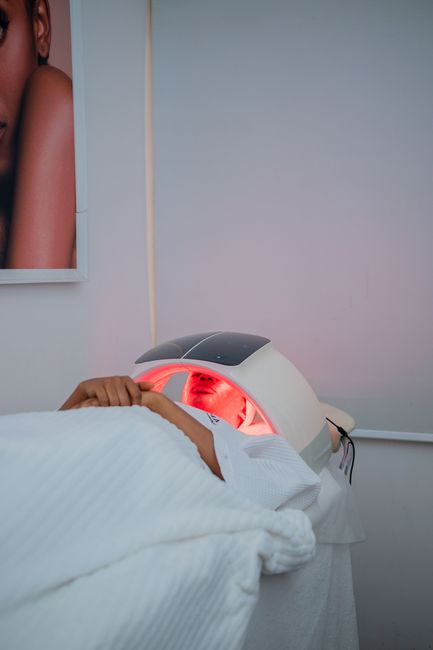
Red Light Therapy, also known as low-level laser therapy (LLLT) or photobiomodulation (PBM), involves exposing the body to specific wavelengths of red and near-infrared light. This non-invasive treatment utilizes light-emitting diodes (LEDs) to deliver therapeutic light directly to the skin and underlying tissues.
B. A Brief History and Evolution of RLT
Originally developed by NASA to grow plants in space and to heal wounds for astronauts, RLT has evolved significantly. Its therapeutic potential was quickly recognized, leading to its application in various medical and cosmetic fields over the past few decades.
C. How RLT Works at a Cellular Level
RLT works by penetrating the skin and stimulating the mitochondria, often referred to as the “powerhouses” of our cells. This process enhances cellular energy production (ATP), leading to improved cellular function, repair, and regeneration throughout the body.
II. Red Light Therapy for Skin Aging and Rejuvenation
Red Light Therapy is widely recognized for its potential to improve various aspects of skin health. It offers a gentle yet effective approach to combating the visible signs of aging and enhancing overall skin vitality.
A. The Science Behind RLT and Skin Health
The therapeutic wavelengths of red light deeply penetrate the skin, reaching fibroblasts, which are cells responsible for producing collagen and elastin. This stimulation is key to achieving many of RLT’s skin benefits.
- Boosting Collagen and Elastin Production: RLT helps increase the natural production of collagen and elastin, two vital proteins for skin structure and elasticity. This can lead to firmer, more resilient skin over time.
- Reducing the Appearance of Fine Lines and Wrinkles: By enhancing collagen synthesis, RLT can effectively plump the skin and smooth out the appearance of fine lines and wrinkles. Regular use can contribute to a more youthful complexion.
- Improving Skin Tone, Texture, and Elasticity: Consistent RLT treatments can lead to a more even skin tone, refined texture, and noticeable improvements in overall skin elasticity. The skin often feels smoother and looks more radiant.
- Addressing Sun Damage, Age Spots, and Hyperpigmentation: RLT may help in diminishing the visibility of sun-induced damage, including age spots and various forms of hyperpigmentation. It supports the skin’s natural healing processes.
- Enhancing Circulation and Cellular Regeneration: The increased cellular activity promoted by RLT also boosts local circulation, delivering more oxygen and nutrients to skin cells. This supports faster cellular regeneration and repair.
B. Specific Skin Conditions RLT May Support
Beyond anti-aging, RLT has shown promise in managing various skin concerns. Its anti-inflammatory properties and ability to accelerate healing are beneficial for several conditions.
- Acne: Red light can reduce inflammation and redness associated with acne, while also promoting healing of blemishes. It creates an environment less conducive to bacterial growth.
- Rosacea: For individuals with rosacea, RLT may help calm redness and inflammation, providing relief from discomfort. It supports skin barrier function.
- Wound Healing: RLT accelerates the natural wound healing process by promoting tissue repair and reducing inflammation. It can be beneficial for post-procedure recovery or minor skin injuries.
C. What to Expect: Realistic Benefits and Outcomes for Skin
While RLT offers significant potential, results are typically gradual and cumulative. Most individuals begin to notice improvements in skin texture and tone after several weeks of consistent use.
Significant reductions in wrinkles and fine lines often require more extended periods of treatment. Patience and adherence to a regular treatment schedule are crucial for achieving the best possible outcomes.
D. Overview of RLT Treatment Modalities for Skin
The availability of RLT devices varies, offering options for different needs and budgets. From professional clinics to at-home solutions, there are numerous ways to incorporate RLT into a skincare routine.
- At-Home Devices: These include handheld wands, smaller panels, and masks designed for convenient use in your own home. They offer flexibility and long-term cost-effectiveness.
- Professional Treatments: Many spas, dermatologists, and aesthetic clinics offer more powerful, medical-grade RLT devices. These sessions are often guided by experts and can provide more intensive treatment.
III. Red Light Therapy for Hair Growth and Scalp Health
Hair loss is a common concern for many, and Red Light Therapy presents a compelling, non-pharmacological option to address it. RLT targets the hair follicles, stimulating them to encourage healthier and stronger hair growth.
A. Understanding Hair Loss and the Role of RLT
Hair loss can stem from various factors, including genetics, hormones, and stress. RLT offers a mechanism to combat this by revitalizing dormant follicles and improving the scalp environment.
- Stimulating Dormant Hair Follicles: RLT delivers light energy directly to the scalp, which is absorbed by the cells within hair follicles. This stimulation can awaken dormant follicles and encourage them to re-enter the active growth phase.
- Increasing Blood Flow and Nutrient Delivery to the Scalp: Improved circulation to the scalp means hair follicles receive a richer supply of oxygen and essential nutrients. This enhanced nourishment is vital for robust hair growth and overall scalp health.
- Promoting Hair Density, Thickness, and Strength: Regular RLT treatments can lead to an increase in the number of hairs, their individual thickness, and overall hair strength. This results in a fuller, healthier-looking head of hair.
- Extending the Anagen (Growth) Phase of Hair: By influencing cellular metabolism, RLT can help prolong the anagen phase, which is the active growth period of hair. This allows hair strands to grow longer and thicker before entering the resting phase.
B. Ideal Candidates for RLT Hair Growth Treatments
RLT for hair growth is generally most effective for individuals experiencing early to moderate stages of hair thinning and loss. It is particularly beneficial for those with androgenetic alopecia (pattern baldness).
Consulting with a dermatologist or healthcare professional is always recommended to determine if RLT is the right treatment option for your specific type of hair loss.
C. What to Expect: Realistic Results and Timeline for Hair Growth
Like skin rejuvenation, hair growth benefits from RLT are not immediate. Consistent use over several months is typically required before noticeable improvements in hair density and thickness become apparent.
Many users report reduced shedding and new hair growth within 3 to 6 months. Continued treatment is often necessary to maintain the benefits, as hair growth is an ongoing biological process.
D. Overview of RLT Devices for Hair Loss
A range of RLT devices is specifically designed to target the scalp for hair growth. These are engineered for ease of use and effective light delivery to the hair follicles.
- Helmets and Caps: These devices offer full scalp coverage, providing consistent treatment to all areas affected by hair loss. They are often hands-free and convenient.
- Combs and Headbands: Smaller, more portable options like combs and headbands allow for targeted treatment of specific areas or for use on the go. These require more active participation during treatment.
IV. General Benefits, Safety, and Considerations for Red Light Therapy
Beyond its well-known applications for skin and hair, Red Light Therapy offers several other potential benefits for overall well-being. Understanding its broader impact and adhering to safety guidelines are crucial for effective use.
A. Other Potential Systemic Benefits of RLT
The cellular-level stimulation provided by RLT can have widespread positive effects throughout the body. These benefits are often linked to its anti-inflammatory and regenerative properties.
- Inflammation Reduction: RLT has been shown to help reduce systemic and localized inflammation, which is a common factor in many chronic conditions. This can alleviate discomfort and promote healing.
- Pain Relief: For individuals experiencing muscle soreness, joint pain, or chronic pain conditions, RLT may offer natural pain relief. It works by reducing inflammation and promoting tissue repair.
- Muscle Recovery: Athletes and active individuals often use RLT to enhance muscle recovery after intense workouts. It helps reduce muscle fatigue and promotes faster repair of muscle tissue.
B. Potential Side Effects and Contraindications
Red Light Therapy is generally considered safe with minimal side effects when used correctly. The most commonly reported side effects are mild and temporary.
These can include temporary eye strain if proper eye protection is not used, or slight redness in the treated area. It is important to consult a healthcare provider if you have any pre-existing medical conditions or concerns before starting RLT.
C. Important Safety Tips and Best Practices for Using RLT
To ensure a safe and effective RLT experience, adhere to these guidelines. Proper usage maximizes benefits and minimizes any potential risks.
- Always use eye protection: Although red light is generally safe, direct exposure to the eyes from high-powered devices should be avoided. Many devices come with protective eyewear.
- Follow manufacturer’s instructions: Each RLT device has specific recommendations for treatment duration, distance from the device, and frequency of use. Adhering to these is critical.
- Start with shorter sessions: If you are new to RLT, begin with shorter exposure times (e.g., 5 minutes) and gradually increase as your body adapts. This helps assess your skin’s tolerance.
- Ensure skin is clean: Before treatment, ensure your skin is clean and free of makeup, lotions, or sunscreens that could block light penetration. This allows for optimal absorption.
D. Consulting with a Healthcare Professional or Dermatologist
Before beginning any new health or beauty treatment, especially for specific conditions like severe hair loss or chronic skin issues, it is always advisable to consult a healthcare professional. A dermatologist can provide personalized advice based on your individual health profile.
E. Factors to Consider When Choosing an RLT Device or Treatment
When selecting an RLT device or professional treatment, several technical aspects are important. These factors directly influence the effectiveness and suitability of the therapy.
- Wavelength: Look for devices that emit red light (around 630-700 nm) and/or near-infrared light (around 800-880 nm), as these are the wavelengths most studied for therapeutic benefits. Different wavelengths penetrate to different depths.
- Power Output/Irradiance: This refers to the intensity of the light delivered. Higher irradiance can mean shorter treatment times, but ensure it’s appropriate for your needs. Professional devices typically have higher irradiance than at-home units.
V. Conclusion
A. Summarizing the Broad Potential of Red Light Therapy for Skin and Hair
Red Light Therapy stands out as a versatile and non-invasive approach to enhancing both skin aesthetics and hair vitality. Its ability to stimulate cellular function at a foundational level offers a wide array of benefits, from reducing the signs of aging to fostering thicker, stronger hair.
B. The Future of RLT in Personal Wellness and Anti-Aging Strategies
As research continues and technology advances, the applications and accessibility of RLT are expected to grow. It is poised to become an increasingly integral component of personal wellness and anti-aging routines, offering a natural path to rejuvenation and improved quality of life.