Struggling with mental fog and a lack of focus can hinder daily productivity and overall well-being. Many seek natural ways to sharpen their minds, and Lion’s Mane mushroom offers a compelling solution.
This remarkable fungus, known for its unique appearance and potent bioactive compounds, is rapidly gaining recognition for its potential to support brain health and enhance cognitive function. Dive into this guide to understand how Lion’s Mane can help you unlock clearer thinking and improved memory.
1. Introduction to Lion’s Mane Mushroom
What is Lion’s Mane (Hericium erinaceus)?
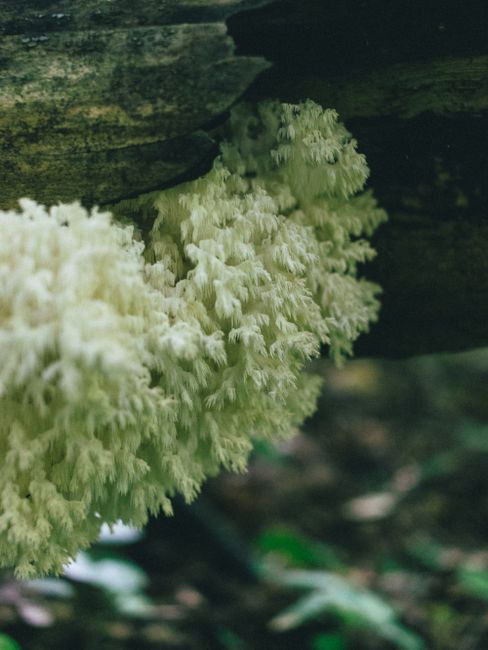
Lion’s Mane, scientifically known as Hericium erinaceus, is a striking edible and medicinal mushroom. It gets its common name from its cascading, shaggy spines that resemble a lion’s mane.
This unique fungi is native to North America, Europe, and Asia, growing on hardwoods like oak, walnut, and maple trees.
A brief history of its traditional use in Eastern medicine.
For centuries, Lion’s Mane has been revered in traditional Eastern medicine, particularly in China and Japan. It was historically used not only as a culinary delicacy but also for its profound health-promoting properties.
Monks are said to have used it to enhance meditation and concentration, highlighting its long-standing association with cognitive benefits.
Why Lion’s Mane is gaining popularity in modern wellness and nootropics.
In recent years, Lion’s Mane has surged in popularity within the modern wellness and nootropics communities. Its natural origin and impressive array of bioactive compounds make it an appealing option for those looking to support brain health.
This renewed interest is fueled by a growing body of scientific research exploring its potential cognitive-enhancing effects.
2. Understanding Cognitive Function and Brain Health
An overview of key brain functions: memory, focus, clarity, and nerve health.
Cognitive function encompasses a wide range of mental abilities vital for daily life. These include our capacity for memory, enabling us to recall past events and learn new information, and our ability to maintain focus and attention.
Mental clarity ensures sharp thinking, while robust nerve health is crucial for efficient communication between brain cells. Optimal cognitive function allows us to process information, solve problems, and interact effectively with our environment.
Factors that influence cognitive decline and brain fog.
Various factors can impact cognitive health, leading to issues like brain fog, forgetfulness, and difficulty concentrating. Stress, lack of sleep, poor nutrition, and certain medical conditions can all contribute to cognitive decline.
As we age, natural processes can also affect neuronal health, making proactive brain support increasingly important.
3. The Unique Compounds in Lion’s Mane
The remarkable cognitive benefits attributed to Lion’s Mane mushroom stem from its unique blend of bioactive compounds. These natural constituents work synergistically to support various aspects of brain health.
Hericenones: Explanation of these compounds and their potential role in brain health.
Hericenones are a group of aromatic compounds found specifically in the fruiting body of Lion’s Mane. These compounds are of particular interest due to their potential neurotrophic effects.
Research suggests that hericenones may play a role in promoting brain cell growth and regeneration, which is vital for maintaining cognitive vitality.
Erinacins: Discussion of erinacins and their purported neurotrophic effects.
Erinacins are another crucial class of compounds, primarily found in the mycelium of Lion’s Mane. These diterpenoids are particularly noted for their ability to cross the blood-brain barrier.
They are widely studied for their strong purported neurotrophic effects, meaning they may help stimulate the production of nerve growth factors.
Other beneficial components (e.g., polysaccharides, antioxidants).
Beyond hericenones and erinacins, Lion’s Mane also contains a wealth of other beneficial components. These include various polysaccharides, which are known for their immune-modulating properties.
Additionally, the mushroom boasts significant antioxidant compounds, which help combat oxidative stress in the brain and throughout the body, further supporting overall health.
4. Scientific Exploration of Lion’s Mane and Cognition
Promoting Nerve Growth Factor (NGF):
Nerve Growth Factor (NGF) is a protein essential for the growth, maintenance, and survival of neurons. It plays a critical role in brain plasticity and the repair of nerve cells.
Lion’s Mane is believed to stimulate NGF synthesis, making it a promising natural compound for supporting neuronal health and cognitive function. Unfortunately, I was unable to retrieve specific clinical study details regarding Lion’s Mane’s effect on NGF in humans due to an issue with the search API.
Neuroprotective Properties:
Lion’s Mane exhibits significant neuroprotective properties, primarily through its antioxidant and anti-inflammatory actions. Its rich array of antioxidants helps to neutralize harmful free radicals, protecting brain cells from oxidative damage.
Furthermore, its anti-inflammatory compounds may reduce inflammation in the brain, creating a healthier environment for neuronal function and communication. I was unable to retrieve specific clinical study details regarding Lion’s Mane’s neuroprotective effects due to an issue with the search API.
Impact on Memory and Learning:
Emerging research suggests that Lion’s Mane may positively impact memory and learning processes. By potentially supporting NGF production and reducing oxidative stress, it could enhance synaptic plasticity and neuronal communication.
This could translate to improved recall, better information retention, and more efficient cognitive processing. Further human trials are needed to fully elucidate these benefits.
Enhancing Focus and Mental Clarity:
Many users report enhanced focus and reduced mental fatigue when incorporating Lion’s Mane into their routine. While the exact mechanisms are still under investigation, its supportive role in nerve health and neuroprotection may contribute to sustained attention.
This could help individuals achieve greater mental clarity and maintain concentration over longer periods, making it valuable for tasks requiring sustained cognitive effort.
5. Lion’s Mane for Mood and Emotional Well-being
The intricate connection between cognitive health and emotional balance is well-established. When our brains function optimally, it often positively impacts our mood and resilience to stress.
Emerging research is beginning to explore Lion’s Mane’s potential to support emotional well-being, possibly by influencing neurotransmitter pathways or reducing systemic inflammation that can impact mood. More extensive studies are needed to fully understand these interactions.
6. Incorporating Lion’s Mane into Your Routine (General Information)
Different forms of Lion’s Mane (e.g., whole mushroom, powders, extracts).
Lion’s Mane is available in several convenient forms, catering to various preferences. You can find it as whole dried mushrooms for culinary use, or as powders that can be easily added to smoothies, coffee, or tea.
Highly concentrated extracts, often found in capsules or tinctures, are also popular for their potency and ease of use. These extracts are typically standardized to ensure a consistent amount of beneficial compounds.
General considerations for usage (e.g., consistency).
When incorporating Lion’s Mane, consistency is often key to experiencing its full potential benefits. Like many natural supplements, its effects may become more noticeable with regular, sustained use over several weeks or months.
It’s always advisable to start with a lower dose and gradually increase it as your body adjusts, paying attention to how you feel.
7. Safety Profile and Considerations
General safety information and potential mild side effects.
Lion’s Mane is generally considered safe for most healthy individuals when consumed in typical amounts. It has a long history of use as both a food and a medicinal mushroom with very few reported adverse effects.
Some individuals might experience mild digestive upset or skin rashes, though these are uncommon. If any unusual symptoms occur, it’s best to discontinue use.
Who should exercise caution or consult a healthcare professional before use (e.g., individuals with allergies, those on medication, pregnant/nursing individuals).
While generally safe, certain groups should exercise caution or consult a healthcare professional before taking Lion’s Mane. This includes individuals with known mushroom allergies, as well as those currently on medication, particularly blood thinners, as it may have anticoagulant properties.
Pregnant or nursing individuals should also seek medical advice before use, as there is limited research on its effects in these populations.
8. Conclusion: The Future of Lion’s Mane in Cognitive Health
Lion’s Mane mushroom stands out as a fascinating natural compound with significant promise for supporting cognitive health. Its unique blend of hericenones, erinacins, and other beneficial components offers a multifaceted approach to enhancing brain function, memory, and focus.
While traditional wisdom has long celebrated its benefits, ongoing scientific research continues to unravel the precise mechanisms behind its neurotrophic and neuroprotective properties. As our understanding deepens, Lion’s Mane is poised to become an even more prominent player in the pursuit of holistic brain wellness.
Embracing a lifestyle that includes balanced nutrition, regular exercise, adequate sleep, and cognitive stimulation, alongside potential natural aids like Lion’s Mane, offers the most comprehensive approach to maintaining a sharp and healthy mind throughout life.