Many individuals struggle with weight management, often seeking solutions beyond diet and exercise. The market is saturated with various weight loss supplements, promising rapid results and making it challenging to discern effective and safe options. This comprehensive guide will demystify weight loss supplements, explaining their purported mechanisms, common ingredients, safety considerations, and how to approach their use responsibly.
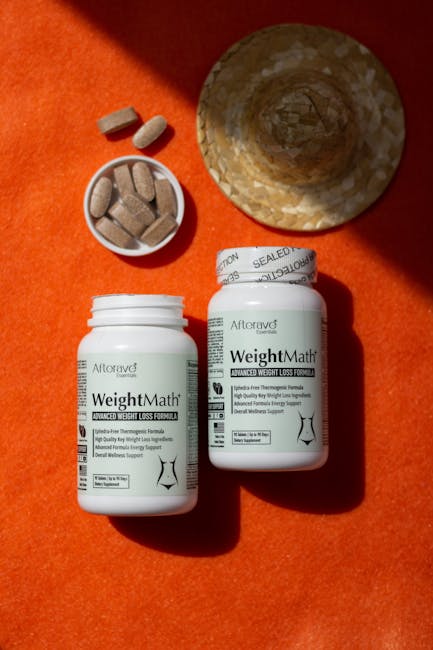
How Do Weight Loss Supplements Work? Exploring Mechanisms of Action
Weight loss supplements claim to aid in reducing body weight through several biological pathways. These mechanisms often target different aspects of metabolism, energy intake, or nutrient absorption. Understanding these actions can help clarify how these products are intended to function within the body.
Appetite Suppressants: How certain ingredients help reduce hunger and cravings
Many supplements aim to create a feeling of fullness, thereby reducing overall caloric intake. Ingredients often work by expanding in the stomach or by influencing hunger-regulating hormones. This can lead to a natural decrease in food consumption and fewer cravings throughout the day.
Fat Burners/Metabolism Boosters: Ingredients that aim to increase caloric expenditure and fat oxidation
These supplements are designed to accelerate the body’s metabolism, increasing the rate at which calories are burned. They may also promote the breakdown of stored fat for energy. Common stimulants are often found in this category, leading to increased thermogenesis.
Fat Blockers: Components designed to prevent the absorption of dietary fat
Some supplements work by inhibiting the enzymes responsible for breaking down dietary fats in the digestive tract. This means a portion of the fat consumed passes through the body undigested and unabsorbed. While this can reduce calorie intake from fats, it may also lead to digestive side effects.
Carbohydrate Blockers: Substances that may inhibit the digestion and absorption of carbohydrates
These supplements contain compounds that interfere with the enzymes needed to digest complex carbohydrates. By blocking these enzymes, fewer carbohydrates are broken down into simple sugars and absorbed into the bloodstream. This can reduce the caloric impact of carbohydrate-rich meals.
Diuretics: Understanding supplements that reduce water retention and their temporary impact on weight
Diuretics increase the excretion of water and salt from the body through urine. While they can lead to a temporary reduction in body weight due to fluid loss, this does not equate to actual fat loss. Prolonged or improper use of diuretics can lead to dehydration and electrolyte imbalances.
Common Natural Ingredients Found in Weight Loss Supplements
The vast array of weight loss supplements often feature a core set of natural ingredients, each with proposed benefits. These ingredients are typically derived from plants, herbs, or other natural sources. Here, we explore some of the most frequently encountered components.
Green Tea Extract: The role of catechins and caffeine in metabolism and fat burning
Green tea extract is rich in antioxidants called catechins, particularly epigallocatechin gallate (EGCG), and also contains caffeine. These compounds are believed to work synergistically to boost metabolism and promote fat oxidation. According to a study published in the journal Clinical Nutrition (2015), 12 weeks of high-dose green tea extract treatment led to significant weight loss, reduced BMI, and decreased waist circumference in women with central obesity, along with improved cholesterol levels.
Garcinia Cambogia: Exploring Hydroxycitric Acid (HCA) and its proposed effects on appetite and fat production
Garcinia Cambogia is a tropical fruit containing Hydroxycitric Acid (HCA), which is thought to inhibit an enzyme involved in fat synthesis. HCA is also believed to increase serotonin levels in the brain, potentially leading to reduced appetite. Research on its effectiveness for significant weight loss remains mixed and often inconsistent.
Caffeine: Its impact on energy levels, metabolism, and fat oxidation
Caffeine is a well-known stimulant found in coffee, tea, and many weight loss supplements. It can increase energy expenditure, enhance fat burning, and suppress appetite by stimulating the central nervous system. While effective for a temporary boost, its effects can diminish over time with regular use, and excessive intake can cause side effects.
Glucomannan: A dietary fiber known for promoting fullness and aiding digestion
Glucomannan is a natural, water-soluble dietary fiber derived from the konjac plant. It absorbs water and expands in the stomach, creating a feeling of fullness and potentially reducing overall food intake. A systematic review and meta-analysis published in Nutrition & Metabolism (2020) concluded that glucomannan supplementation led to modest reductions in body weight among overweight and obese adults, primarily by enhancing satiety.
CLA (Conjugated Linoleic Acid): Its potential influence on fat metabolism and body composition
CLA is a type of polyunsaturated omega-6 fatty acid found primarily in meat and dairy products. It has been studied for its potential to reduce body fat, increase lean muscle mass, and improve body composition. While some animal studies show promising results, human studies often report modest and inconsistent effects on weight loss.
Other Noteworthy Ingredients: Brief mentions of compounds like Forskolin, Chromium, and Capsaicin
Other ingredients commonly found include Forskolin, believed to activate an enzyme that increases fat burning; Chromium, which may play a role in carbohydrate and fat metabolism and enhance insulin sensitivity; and Capsaicin (from chili peppers), known for its thermogenic properties that can slightly boost metabolism and reduce appetite.
Are Weight Loss Supplements Safe? Potential Benefits and Risks
While many weight loss supplements claim to offer benefits, it’s crucial to understand their safety profile, including potential side effects and interactions. The effectiveness and safety can vary significantly between products and individuals. Always prioritize your health and well-being when considering any supplement.
Potential Benefits: How supplements can support diet and exercise efforts and enhance motivation
For some, weight loss supplements can provide a perceived “kick-start” or boost in motivation when combined with a healthy lifestyle. They might offer a slight edge by modestly curbing appetite or increasing energy for workouts. However, it’s essential to remember they are not magic pills and work best as part of a broader strategy.
Potential Side Effects: Common adverse reactions, such as jitters, digestive upset, or sleep disturbances
Many supplements, especially those containing stimulants like caffeine, can cause side effects such as jitters, anxiety, increased heart rate, and sleep disturbances. Other common issues include digestive upset like bloating, gas, or diarrhea, particularly with fiber-rich or fat-blocking ingredients. Always read labels and be aware of potential reactions.
Important Considerations: Discussing interactions with medications, pre-existing health conditions, and individual sensitivities
Weight loss supplements can interact dangerously with prescription medications, including those for heart conditions, diabetes, or mental health. Individuals with pre-existing health conditions such as high blood pressure, thyroid issues, or liver disease should exercise extreme caution. Personal sensitivities to certain ingredients can also lead to unexpected adverse reactions.
Regulatory Landscape: An overview of how weight loss supplements are regulated (or not) by authorities like the FDA
Unlike prescription drugs, weight loss supplements are largely unregulated by agencies like the FDA in the United States. This means manufacturers are not required to prove their products are safe or effective before marketing them. Consumers must therefore exercise due diligence and critically evaluate product claims, as product quality and purity can vary widely.
Choosing the Right Weight Loss Supplement for Your Goals (and How to Approach It Safely)
Navigating the supplement aisle can be daunting, but making informed choices is paramount for your health and achieving sustainable results. Approaching supplement use with caution and a focus on overall wellness is key. This section provides actionable advice on how to proceed.
Consulting a Healthcare Professional: The critical importance of seeking medical advice before starting any supplement
Before introducing any new supplement into your routine, it is critically important to consult with a doctor or registered dietitian. A healthcare professional can assess your individual health status, potential risks, and interactions with any existing medications or conditions. They can provide personalized advice tailored to your specific needs and health goals.
Researching Ingredients and Efficacy: Guiding consumers on how to evaluate scientific evidence and ingredient quality
Become a discerning consumer by researching the active ingredients in any supplement you consider. Look for products backed by peer-reviewed scientific studies conducted on humans, rather than relying solely on marketing claims. Verify the quality of ingredients and whether the dosage aligns with what has been studied effectively and safely.
Prioritizing Lifestyle Changes: Emphasizing diet, exercise, and sleep as the foundational elements of sustainable weight management
Remember that no supplement can replace the fundamental pillars of sustainable weight loss: a balanced diet, regular physical activity, and adequate sleep. Supplements are merely an adjunct, and their effects are often modest compared to consistent lifestyle changes. Focus on building healthy habits as your primary strategy for long-term success.
Setting Realistic Expectations: Understanding the limitations of supplements and avoiding miraculous claims
Approach weight loss supplements with realistic expectations, understanding their limitations. Avoid products that promise miraculous or extremely rapid weight loss, as these claims are often unsubstantiated and potentially harmful. Sustainable weight loss is a gradual process that requires patience and consistent effort.
Looking for a Tested Solution for Your Health Goals?
Conclusion: A Balanced Approach to Sustainable Weight Management
Weight loss supplements can be a tempting option for many seeking to manage their weight, offering various mechanisms to support efforts. However, their efficacy is often modest, and they come with potential risks and side effects that cannot be ignored. A truly balanced and sustainable approach to weight management always prioritizes evidence-based lifestyle changes.
By focusing on a nutritious diet, regular exercise, sufficient sleep, and stress management, you lay the strongest foundation for health. When considering supplements, do so with critical thinking and always under the guidance of a healthcare professional. Informed choices, combined with healthy habits, are the key to long-term health and well-being, rather than relying on quick fixes.