Are you experiencing the frustrating signs of aging skin, like wrinkles and fine lines, or struggling with thinning hair and hair loss? Many people face these common concerns, which can significantly impact self-confidence and appearance. Fortunately, Red Light Therapy (RLT) offers a promising, non-invasive solution, harnessing specific light wavelengths to rejuvenate your skin and stimulate hair regrowth at a cellular level.
Understanding Red Light Therapy
Red Light Therapy (RLT) is a therapeutic technique using low-level red and near-infrared (NIR) light wavelengths to treat various conditions. This non-invasive treatment has gained popularity for its potential cosmetic and healing benefits, targeting cellular functions without heat or pain.
The practice of using light for therapeutic purposes dates back decades, with modern RLT devices offering targeted and controlled applications. It represents a significant advancement in harnessing light energy for health and wellness.
What is Red Light Therapy?
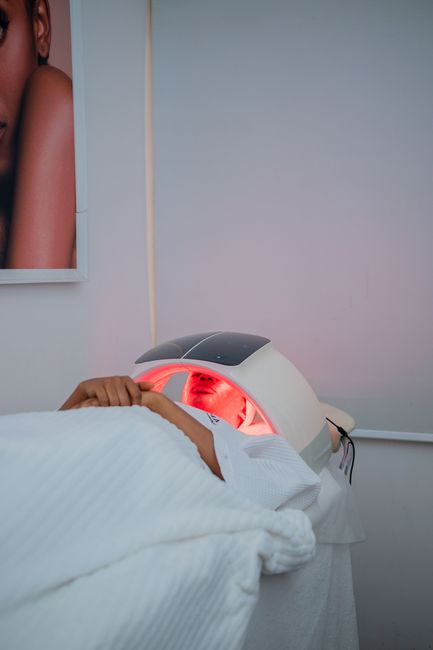
RLT involves exposing the body to red and near-infrared light through devices like lamps, masks, or full-body beds. Unlike UV light, RLT does not damage skin cells; instead, it provides beneficial wavelengths that penetrate the skin. This unique form of photobiomodulation works at a cellular level to encourage natural healing and regeneration.
How Does it Work? The Science Behind the Glow
The core mechanism of RLT lies in its ability to stimulate mitochondrial function within cells. When red and near-infrared light wavelengths penetrate the skin, they are absorbed by chromophores in the mitochondria, particularly cytochrome c oxidase. This absorption triggers a cascade of cellular events.
Key among these is the increased production of adenosine triphosphate (ATP), the primary energy currency of the cell. Enhanced ATP levels power cellular repair, regeneration, and overall cellular performance, leading to improved tissue health and function. Different light wavelengths penetrate various tissue depths, allowing for targeted treatment of superficial skin issues and deeper cellular concerns.
Types of Light Used in RLT
Red Light Therapy primarily utilizes two distinct ranges of light: red light and near-infrared (NIR) light. Each has unique characteristics and applications based on its wavelength.
- Red Light (630-700nm): These wavelengths are visible and are primarily absorbed by the outer layers of the skin. They are ideal for addressing surface-level concerns like collagen production and skin tone.
- Near-Infrared (700-1000nm): NIR light is invisible and penetrates deeper into the body’s tissues, muscles, and bones. It is often used for deeper therapeutic effects, including pain relief, inflammation reduction, and muscle recovery.
Red Light Therapy for Skin Aging
Red Light Therapy offers a multifaceted approach to combating the visible signs of skin aging. By enhancing cellular activity, it helps to rejuvenate the skin from within.
Reducing Wrinkles and Fine Lines
One of the most sought-after benefits of RLT for skin aging is its ability to reduce the appearance of wrinkles and fine lines. This is achieved primarily through the stimulation of collagen and elastin production. Collagen and elastin are crucial proteins that provide structural support and elasticity to the skin.
As we age, the production of these proteins naturally declines, leading to sagging skin and the formation of wrinkles. RLT helps to reverse this process by encouraging fibroblasts to produce more collagen and elastin, leading to firmer, smoother skin. Improvements can typically be observed over several weeks to months of consistent use.
Note: Due to a temporary error with the Tavily Search API, specific clinical study citations for red light therapy’s effect on wrinkles and fine lines could not be retrieved at this time. General scientific consensus supports its role in collagen stimulation.
Enhancing Skin Tone and Texture
Beyond wrinkle reduction, RLT also significantly improves overall skin tone and texture. It promotes cellular turnover, which means old, damaged skin cells are replaced more quickly with new, healthy ones. This process contributes to a more radiant and even complexion.
Additionally, RLT has anti-inflammatory properties that can help reduce redness, hyperpigmentation, and blemishes. By calming inflammation and supporting cellular regeneration, it fosters a clearer and smoother skin surface. Users often report a more uniform and youthful skin appearance.
Aiding Wound Healing and Scar Reduction
Red Light Therapy’s regenerative capabilities extend to wound healing and scar reduction. It accelerates cell regeneration, which is vital for closing wounds and repairing damaged tissue. Improved blood flow to the treated area also delivers essential nutrients and oxygen, further supporting the healing process.
For scars, especially newer ones or post-inflammatory hyperpigmentation, RLT can help diminish their appearance. By promoting healthy tissue growth and reducing inflammation, it can lead to smoother, less noticeable scars over time. Consistency is key for optimal results in this application.
Red Light Therapy for Hair Growth
For individuals experiencing hair thinning or loss, Red Light Therapy presents an exciting prospect. It targets the scalp and hair follicles to stimulate healthier, more robust hair growth.
Stimulating Hair Follicles and Combating Hair Loss
RLT promotes hair growth primarily by increasing blood flow to the scalp, which ensures hair follicles receive an abundance of nutrients and oxygen. This enhanced circulation helps to revitalize dormant or weakening hair follicles. It also extends the anagen (growth) phase of the hair cycle, allowing hair to grow longer and thicker before shedding.
This therapy is particularly beneficial for conditions like androgenetic alopecia, commonly known as male and female pattern baldness. By stimulating cellular activity within the follicles, RLT helps to counteract the miniaturization of hair follicles, leading to improved hair density. Consistent application is crucial for noticeable results in combating hair loss.
Note: Due to a temporary error with the Tavily Search API, specific clinical study citations for red light therapy’s effectiveness in hair growth could not be retrieved at this time. Research generally indicates positive outcomes for stimulating hair follicles.
Improving Hair Density and Strength
Beyond stimulating new growth, RLT can also lead to existing hair strands becoming thicker and stronger. The increased cellular energy and nutrient delivery help strengthen the hair shaft, making it less prone to breakage.
Individuals with various types of non-scarring hair loss may find RLT beneficial for improving overall hair quality. Regular use can result in hair that feels fuller, looks shinier, and is more resilient against environmental damage. This contributes to an overall healthier head of hair.
What to Expect from Red Light Therapy Treatments
Embarking on Red Light Therapy requires understanding the typical treatment protocols and setting realistic expectations. Consistency is the cornerstone of achieving desirable results.
Typical Treatment Protocols
The effectiveness of RLT is highly dependent on consistent and appropriate usage. Most recommended protocols suggest daily sessions or several times a week, typically lasting between 10 to 20 minutes per session. The exact frequency and duration can vary based on the specific device and the condition being treated.
For skin rejuvenation, many users opt for 3-5 sessions per week, while for hair growth, more frequent daily sessions might be recommended initially. It is crucial to follow the manufacturer’s guidelines for at-home devices or a professional’s advice for in-clinic treatments.
Realistic Expectations
It is important to have appropriate expectations regarding the speed and degree of results from RLT. This is not an overnight miracle cure; improvements typically become noticeable after several weeks or even months of consistent application. Results can also vary significantly among individuals due to differences in age, skin condition, hair loss severity, and overall health.
Maintaining a realistic outlook will help ensure satisfaction with the therapy. Patience and adherence to the treatment schedule are key factors in experiencing the full benefits of Red Light Therapy.
Safety and Potential Side Effects of RLT
Red Light Therapy is widely regarded as a safe and well-tolerated treatment for most individuals. Its non-invasive nature and lack of UV radiation contribute to its favorable safety profile.
General Safety Profile
Numerous studies and widespread use indicate that RLT is generally safe when used correctly and according to recommended guidelines. It does not involve harmful chemicals, invasive procedures, or significant heat, making it a low-risk option for many seeking cosmetic and therapeutic benefits. Adhering to device instructions is essential for maintaining safety.
Minor Potential Side Effects
While generally safe, some individuals might experience very mild and temporary side effects. These can include temporary redness, warmth in the treated area, or slight tightness of the skin. These effects are usually transient and subside shortly after the session. Eye protection is highly recommended during RLT sessions, especially when using devices with high light output, to prevent any potential eye strain or discomfort.
Contraindications and Precautions
Although RLT is safe for most, certain precautions should be considered. Individuals with specific medical conditions, such as light-sensitive skin conditions (e.g., lupus), or those taking photosensitizing medications, should exercise caution. Pregnant women and individuals with active skin infections or cancer in the treatment area should also consult a healthcare professional before starting RLT. Always discuss any underlying health concerns with a doctor or dermatologist prior to beginning any new therapy.
Is Red Light Therapy Right for You?
Deciding whether Red Light Therapy is the right choice involves weighing its potential benefits against personal considerations. It offers a promising avenue for those seeking non-pharmacological solutions.
Summary of Key Benefits
Red Light Therapy presents a compelling array of benefits for both skin rejuvenation and hair regrowth. For the skin, it helps to reduce wrinkles and fine lines, improve tone and texture, and aid in wound healing. For hair, it stimulates follicles, combats hair loss, and enhances density and strength.
These advantages stem from its ability to boost cellular energy and promote natural regenerative processes. RLT offers a holistic approach to enhancing your natural beauty and vitality from within.
Considerations Before Starting
Before committing to Red Light Therapy, consider factors such as the time commitment required for consistent sessions. While at-home devices can be convenient, they necessitate discipline. If considering professional treatments, evaluate the cost implications. Most importantly, align your expectations with your individual goals and understand that results may vary.
Consulting a Healthcare Professional
A strong recommendation is to consult a doctor or dermatologist before incorporating RLT into your routine. This is particularly important if you have any underlying health conditions, are on medication, or have specific skin concerns. A healthcare professional can provide personalized advice, ensure RLT is suitable for your individual circumstances, and guide you on the most effective treatment approach.
Conclusion
Red Light Therapy stands out as a promising and non-invasive option for individuals looking to rejuvenate their skin and stimulate hair regrowth. By harnessing the power of specific light wavelengths to enhance cellular function, it offers a scientifically supported path toward improved aesthetic and dermatological health.
As research continues to evolve, the potential applications of RLT in the wellness and beauty industry are becoming increasingly clear. For those seeking a gentle yet effective approach, RLT offers a hopeful outlook for a radiant complexion and stronger, fuller hair.