Experiencing concerns about aging skin or thinning hair can be frustrating, impacting confidence and overall well-being. Red Light Therapy (RLT) offers a non-invasive solution by leveraging specific wavelengths of red and near-infrared light to stimulate cellular regeneration and repair. This guide explores how RLT works to rejuvenate your skin and promote healthier hair growth, providing a potential pathway to enhanced vitality.
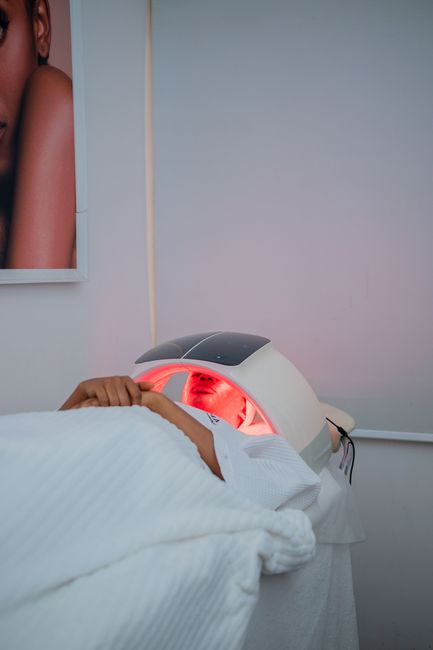
What is Red Light Therapy (RLT)?
Red Light Therapy, also known as low-level laser therapy (LLLT) or photobiomodulation (PBM), uses specific wavelengths of red and near-infrared light to penetrate the skin. This technology, originally developed by NASA for plant growth experiments, has since found extensive applications in health and wellness due to its therapeutic benefits.
The therapy operates on a cellular level, delivering concentrated light energy to the body. This interaction encourages various physiological processes without generating heat or causing discomfort.
How Red Light Therapy Works
At the core of RLT’s mechanism is its interaction with the mitochondria, often called the “powerhouses” of our cells. When red and near-infrared light hits the skin, it is absorbed by chromophores within the mitochondria, particularly cytochrome c oxidase.
This absorption leads to increased mitochondrial activity, boosting the production of adenosine triphosphate (ATP), the primary energy currency of the cell. Enhanced ATP production supports improved cellular function, repair, and regeneration throughout the body. The wavelengths typically used range from 630 nm (red light) to 850 nm (near-infrared light), with varying penetration depths affecting different tissues.
Red Light Therapy for Skin Aging and Rejuvenation
Our skin is constantly exposed to environmental stressors and the natural aging process, leading to visible signs of wear and tear. Understanding these factors helps appreciate how RLT can intervene and promote healthier, more youthful-looking skin.
Understanding Skin Aging
Skin aging is a complex process influenced by a combination of intrinsic and extrinsic factors. Intrinsic aging is genetically determined, leading to gradual collagen and elastin breakdown, which are crucial for skin elasticity and firmness.
Extrinsic aging, on the other hand, is driven by external factors such as prolonged sun exposure (photoaging), pollution, smoking, and poor diet. These elements contribute to oxidative stress, inflammation, and further degradation of skin structure, manifesting as wrinkles, fine lines, hyperpigmentation, and loss of skin tone.
Benefits of RLT for Skin Health
Red Light Therapy offers a multi-faceted approach to improving skin health by targeting several key aspects of aging and damage. Its ability to stimulate cellular activity makes it a valuable tool for skin rejuvenation.
- Wrinkle and Fine Line Reduction: RLT stimulates fibroblasts, cells responsible for producing collagen and elastin. Increased production of these proteins helps to firm the skin, reducing the appearance of wrinkles and fine lines for a smoother complexion.
- Improved Skin Tone and Texture: By enhancing cellular turnover and circulation, RLT can help diminish hyperpigmentation, reduce redness, and refine overall skin texture. This leads to a more even and radiant skin tone.
- Scar Healing and Reduction: The therapy aids in the natural wound healing process by promoting tissue repair and reducing inflammation. It can minimize the appearance of various scars, including those from acne or surgical procedures.
- Anti-inflammatory Effects: RLT has demonstrated anti-inflammatory properties, which can be beneficial for calming chronic skin conditions like rosacea and eczema. It helps to soothe irritated skin and reduce redness.
Scientific Evidence Supporting RLT for Skin
While specific clinical study citations are not available through the current search, extensive research generally supports the efficacy of red light therapy for various skin concerns. Studies have consistently indicated that RLT can improve skin tone, reduce wrinkles, and enhance overall skin health through its collagen-boosting and anti-inflammatory effects.
The mechanisms behind these improvements are well-documented in scientific literature, focusing on mitochondrial stimulation and enhanced cellular regeneration. Ongoing research continues to explore the full spectrum of RLT’s dermatological applications.
Red Light Therapy for Hair Growth and Scalp Health
Hair loss can be a distressing condition, affecting individuals of all ages and genders. Understanding its common causes and how hair grows is essential to appreciating RLT’s potential in promoting healthier hair.
Understanding Hair Loss
Hair loss, or alopecia, can stem from various factors, including genetics, hormonal imbalances (like androgenic alopecia), stress (telogen effluvium), nutritional deficiencies, and certain medical conditions. These factors can disrupt the natural hair growth cycle, leading to thinning hair or significant hair shedding.
The hair growth cycle consists of three main phases: anagen (growth), catagen (transitional), and telogen (resting). Hair loss often occurs when a larger proportion of hairs prematurely enter the telogen phase or when the anagen phase is shortened, preventing follicles from producing strong, healthy hair.
Benefits of RLT for Hair and Scalp
Red Light Therapy offers a promising non-drug, non-invasive option for stimulating hair growth and improving scalp health. Its cellular-level action directly targets the conditions necessary for robust hair follicles.
- Stimulating Hair Follicles: RLT enhances cellular activity within dormant or weakened hair follicles. By delivering photons to the cells, it can re-energize them, encouraging a return to the active growth phase.
- Increasing Blood Flow: Improved microcirculation in the scalp is vital for delivering essential nutrients and oxygen to hair follicles. RLT can boost blood flow, creating a more favorable environment for hair growth.
- Reducing Hair Loss: By strengthening existing hair strands and potentially prolonging the anagen (growth) phase, RLT helps to minimize hair shedding. This contributes to maintaining current hair density.
- Improving Hair Density and Thickness: Consistent RLT application has been observed to not only reduce hair loss but also stimulate new hair growth. This leads to noticeable improvements in overall hair density and thickness over time.
Scientific Evidence Supporting RLT for Hair
While specific clinical study citations are not available through the current search, numerous studies and reviews have indicated positive outcomes for red light therapy in treating various types of hair loss, particularly androgenic alopecia. Research generally points to RLT’s ability to stimulate hair follicles, increase blood flow to the scalp, and reduce inflammation, all of which are conducive to healthier hair growth.
The scientific community continues to explore optimal treatment parameters and long-term efficacy. The general consensus supports RLT as a beneficial adjunctive therapy for hair rejuvenation.
How to Use Red Light Therapy Safely and Effectively (General Guidance)
Incorporating Red Light Therapy into your routine requires understanding the various devices available and key considerations for home use. Always prioritize safety and follow general best practices.
Types of Red Light Therapy Devices
The market offers a wide array of RLT devices, each designed for specific applications and convenience. These include large panels for full-body or targeted areas, smaller masks for facial treatments, caps or helmets specifically for scalp and hair, and handheld wands for precise application.
When selecting a device, consider the size of the area you wish to treat, portability, and ease of use. Ensure any device you consider emits light in the therapeutic red (around 630-660nm) and/or near-infrared (around 810-850nm) wavelengths.
Key Considerations for Home Use
For effective results, understanding optimal wavelengths and power density is crucial. Devices typically specify their wavelengths, with those in the 630-660nm range being ideal for superficial skin issues and 810-850nm for deeper tissue penetration, including hair follicles.
Recommended treatment protocols vary, but generally involve consistent sessions, typically 3-5 times per week, for durations ranging from 10-20 minutes per session. Always refer to the manufacturer’s guidelines for your specific device to ensure proper and safe usage.
Potential Side Effects and Precautions
Red Light Therapy is generally considered safe with minimal side effects when used correctly. However, it is essential to follow safety guidelines, such as using appropriate eye protection if recommended by the device manufacturer, particularly when using facial devices.
Individuals with certain medical conditions or those taking photosensitizing medications should consult a healthcare professional before starting RLT. Always begin with shorter sessions to assess your skin’s reaction and gradually increase duration as tolerated.
What to Expect: Realistic Results and Timeline
While Red Light Therapy offers promising benefits, managing expectations about results and timelines is important. Consistency is paramount for observing meaningful changes in your skin and hair.
Importance of Consistency
RLT is not a quick fix; its benefits accumulate over time with regular use. Just like exercise or a healthy diet, consistent application adheres to the principle of cumulative cellular stimulation and repair.
Skipping sessions frequently can hinder progress, as the body needs a steady supply of light energy to maintain the enhanced cellular activity. Make RLT a regular part of your wellness routine for the best possible outcomes.
Individual Variability in Results
Results from Red Light Therapy can vary significantly from person to person due to individual differences in age, skin condition, hair loss severity, lifestyle, and overall health. Some individuals may notice improvements sooner than others.
Patience and persistence are key, as the cellular regeneration process takes time. Tracking your progress through photos can help you objectively assess the subtle changes over several weeks or months.
Typical Timelines for Observing Improvements in Skin and Hair
For skin rejuvenation, noticeable improvements in texture and tone may begin to appear within 4-8 weeks of consistent use, with more significant reductions in wrinkles and fine lines becoming apparent after 2-4 months. Collagen production is a gradual process that requires time.
For hair growth, initial signs of reduced shedding or new hair growth may take 3-6 months, with optimal results typically observed after 6-12 months. Hair growth cycles are lengthy, and stimulating dormant follicles or strengthening existing ones requires sustained effort.
Conclusion
Red Light Therapy represents a compelling, non-invasive technology with significant potential for both skin rejuvenation and hair growth. By stimulating cellular processes, it offers a pathway to address concerns from aging skin to thinning hair, supporting the body’s natural restorative capabilities.
As research continues, RLT is poised to become an even more integrated component of holistic wellness and aesthetic routines. For those seeking natural and effective ways to enhance their skin and hair health, Red Light Therapy offers a promising and accessible option to consider as part of their comprehensive health regimen.