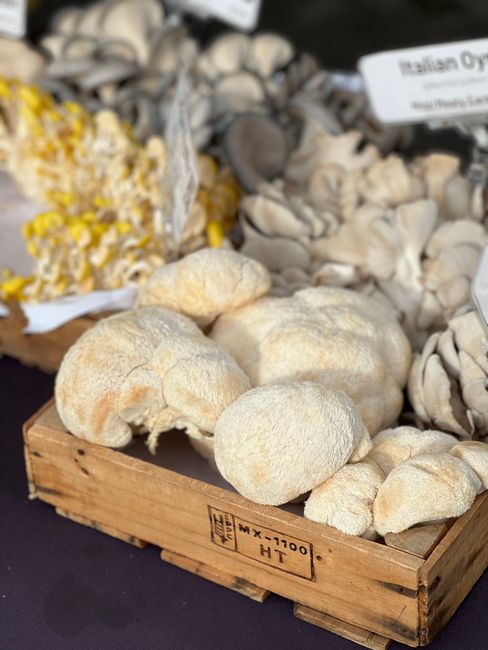
Do you often experience mental fog or struggle with concentration, impacting your daily productivity and overall well-being? Lion’s Mane mushroom, or Hericium erinaceus, is an extraordinary fungi known for its unique appearance and traditional use in Eastern medicine.
This natural nootropic is gaining significant attention for its potential to support brain health and enhance cognitive function. Dive into this guide to understand how Lion’s Mane may offer a powerful, natural solution to sharpen your mind and boost cognitive performance.
What Exactly is Lion’s Mane Mushroom?
Description
Lion’s Mane mushroom is easily recognizable by its distinctive cascading spines, which resemble a lion’s mane as it grows. This striking appearance also gives rise to its other common names, such as “bearded tooth mushroom” or “pom-pom mushroom.”
Its texture is meaty and fibrous, and it boasts a delicate, seafood-like flavor, often compared to crab or lobster when cooked.
Habitat and Cultivation
Naturally, Lion’s Mane grows on dead or dying broadleaf trees, such as oak, maple, and beech, in temperate forests across North America, Europe, and Asia. It thrives in humid environments, typically found in late summer and fall.
Due to its growing popularity and medicinal value, Lion’s Mane is now widely cultivated on sawdust blocks or logs, making it more accessible for culinary and supplemental use.
Historical Significance
For centuries, Lion’s Mane has been a staple in traditional Chinese and Japanese medicine. It was revered not only as a gourmet delicacy but also for its profound health-promoting properties.
Traditional practitioners utilized it to support digestion, enhance vitality, and as a general tonic for overall well-being, long before its modern recognition for cognitive benefits.
The Science Behind Lion’s Mane and Brain Health
Key Bioactive Compounds
The potent cognitive benefits of Lion’s Mane are primarily attributed to two unique classes of compounds: hericenones and erinacines. Hericenones are found in the mushroom’s fruit body, while erinacines are mainly present in its mycelium.
These compounds work synergistically to exert their powerful effects on the brain and nervous system.
Mechanism of Action
These bioactive compounds are believed to cross the blood-brain barrier, allowing them to directly influence brain cells. They interact with various biological pathways involved in neural health.
This interaction is thought to support a healthier brain environment, conducive to optimal cognitive function and resilience against age-related decline.
Neurogenesis and Nerve Growth Factor (NGF)
One of the most exciting aspects of Lion’s Mane is its potential to stimulate the production of Nerve Growth Factor (NGF). NGF is a crucial protein that promotes the growth, maintenance, and survival of neurons.
By encouraging neurogenesis—the creation of new neurons—and supporting existing neural pathways, Lion’s Mane may enhance brain plasticity, which is vital for learning, memory, and overall brain repair.
Unpacking the Cognitive Benefits of Lion’s Mane
Memory Enhancement
Lion’s Mane has shown promise in improving various aspects of memory. Research suggests that its ability to stimulate NGF may lead to better recall and recognition.
Some studies, though more human clinical trials are needed, indicate potential benefits for both short-term and long-term memory, making it a focus for those looking to sharpen their cognitive edge.
Improved Focus and Concentration
Many individuals report a significant reduction in “brain fog” and an improvement in mental clarity after incorporating Lion’s Mane. This can translate to enhanced sustained attention and better overall cognitive performance.
By supporting neurological function, the mushroom may help individuals maintain focus for longer periods and process information more efficiently.
Neuroprotective Properties
Beyond enhancing cognition, Lion’s Mane is also studied for its neuroprotective capabilities. Its compounds may help shield brain cells from oxidative stress and inflammation, two factors contributing to neuronal damage.
These protective effects could play a significant role in supporting overall brain longevity and potentially mitigating the risk of age-related cognitive decline.
Mood Regulation and Stress Reduction
As an adaptogen, Lion’s Mane may help the body manage stress more effectively. Emerging research suggests a potential link between Lion’s Mane consumption and reduced symptoms of anxiety and depression.
Furthermore, its influence on gut health could indirectly benefit brain function, as the gut-brain axis is a critical pathway for mood regulation.
Integrating Lion’s Mane for Cognitive Support
Forms of Consumption
Lion’s Mane is available in several convenient forms to suit various preferences. You can find it as:
- Fresh mushroom: Excellent for culinary use.
- Dried powder: Can be added to smoothies, coffee, or teas.
- Extracts: Often more concentrated, available in liquid or capsule form.
- Capsules: A convenient and precise way to consume standardized doses.
- Tinctures: Liquid extracts that can be taken sublingually or mixed with beverages.
General Dosage Guidelines
While there are no universally established dosage recommendations, many supplements suggest a daily intake ranging from 500 mg to 3000 mg, often divided into one or two doses.
It is always advisable to start with a lower dose to assess tolerance and consult with a healthcare professional to determine the most appropriate dosage for your individual needs and health goals.
Culinary Uses
If you prefer to incorporate fresh Lion’s Mane into your diet, its unique flavor makes it a versatile ingredient. You can slice and sauté it like scallops, roast it, or even shred it to mimic crab meat in recipes.
Its absorbent nature allows it to take on the flavors of accompanying ingredients, making it a delicious and healthy addition to stir-fries, soups, and pasta dishes.
Potential Side Effects and Important Considerations
Safety Profile
Lion’s Mane mushroom is generally considered safe and well-tolerated by most individuals. It has a long history of use in traditional medicine with no significant reports of severe adverse effects.
This robust safety profile contributes to its appeal as a natural supplement for cognitive enhancement.
Mild Side Effects
While rare, some individuals may experience mild digestive discomfort, such as bloating or stomach upset, particularly when starting with higher doses. These symptoms are typically transient and can often be mitigated by reducing the dosage.
If you experience persistent or concerning side effects, discontinue use and consult a healthcare professional.
Who Should Exercise Caution
Although safe for most, certain groups should exercise caution or avoid Lion’s Mane. This includes pregnant or breastfeeding individuals due to a lack of sufficient research on these populations.
Those with known mushroom allergies should also avoid it. If you are on specific medications, particularly blood thinners or diabetes medications, consult your doctor, as Lion’s Mane may have minor interactions.
Quality and Sourcing
When choosing Lion’s Mane products, prioritize reputable brands that offer transparent sourcing and third-party testing. Look for products that specify whether they contain extracts from the fruit body, mycelium, or both, as this can affect the concentration of active compounds.
Ensure the product is free from contaminants and fillers to maximize its potential benefits.
Conclusion
Lion’s Mane mushroom stands out as a remarkable natural nootropic with a compelling array of potential cognitive benefits. From enhancing memory and focus to offering neuroprotection and supporting mood regulation, this fascinating fungus holds significant promise for optimizing brain health.
While more extensive human clinical trials are always valuable, the traditional use and current scientific understanding encourage further exploration of Lion’s Mane as a natural ally for a sharper mind and improved cognitive function.