Experiencing a decline in memory, persistent brain fog, or general cognitive slowdown can be highly frustrating and impact your daily life and productivity. These cognitive challenges often lead to concerns about long-term brain health and overall well-being. Emerging research suggests that Lion’s Mane mushroom (Hericium erinaceus) offers a promising natural solution, potentially enhancing cognitive function, improving memory, and offering neuroprotective benefits.
I. Introduction to Lion’s Mane Mushroom
What is Lion’s Mane? (Hericium erinaceus)
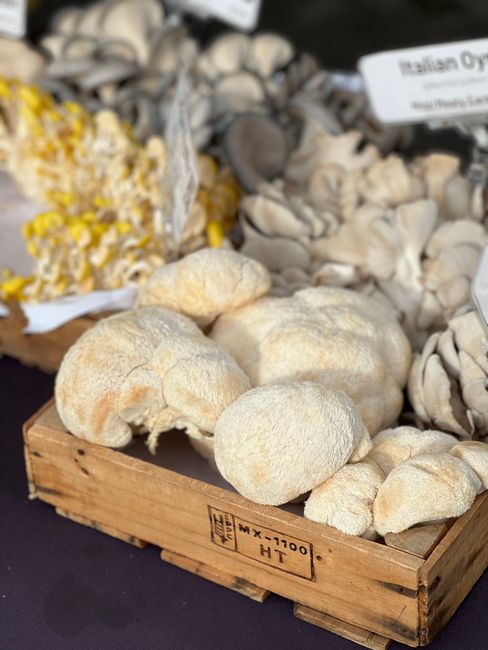
Lion’s Mane mushroom, scientifically known as Hericium erinaceus, is a unique edible fungus recognized by its long, shaggy white spines that resemble a lion’s mane. This distinctive appearance makes it easily identifiable in nature. It is native to North America, Europe, and Asia, growing on hardwood trees.
Traditional Uses and History
For centuries, Lion’s Mane has been a staple in traditional Eastern medicine, particularly in China and Japan. It was historically revered for its purported benefits to digestive health and as a general tonic for vitality. Monks traditionally used it to enhance focus and mental clarity during meditation.
Why the interest in its cognitive effects?
In recent decades, scientific interest in Lion’s Mane has surged, particularly concerning its potential cognitive benefits. Modern research aims to validate and understand the mechanisms behind its traditional uses for brain health. This has led to numerous studies investigating its impact on memory, focus, and neuroprotection.
II. The Science Behind the Brain Benefits: Key Bioactive Compounds
The profound effects of Lion’s Mane on the brain are attributed to its unique composition of bioactive compounds. Two primary groups, hericenones and erinacines, are at the forefront of this research. These compounds interact directly with neurological pathways, promoting brain health.
Hericenones: Their role in nerve growth factor (NGF) production
Hericenones are primarily found in the fruiting body of the Lion’s Mane mushroom. These compounds are believed to stimulate the production of Nerve Growth Factor (NGF) within the brain. NGF is a crucial protein that supports the growth, maintenance, and survival of nerve cells, which are vital for cognitive functions.
Erinacines: Impact on brain cell growth and protection
Erinacines are typically isolated from the mycelium (the root-like structure) of Lion’s Mane. These potent compounds are particularly recognized for their ability to cross the blood-brain barrier. They further contribute to neurogenesis, the creation of new brain cells, and offer significant neuroprotective effects.
III. Lion’s Mane and Brain Health: Unpacking the Scientific Evidence
Enhancing Memory and Cognitive Function:
Lion’s Mane mushroom has gained attention for its potential to sharpen memory and improve overall cognitive function. Its active compounds work to support the neural pathways involved in learning and recall. This can lead to enhanced mental performance in daily tasks.
- Mechanisms for improved recall and focus: The stimulation of NGF by hericenones and erinacines is thought to enhance synaptic plasticity and neuronal communication. This process directly supports better memory consolidation and retrieval, along with sustained attention.
- Summary of human and animal studies: According to a study published in Phytotherapy Research by Mori et al. (2009), 30 adults aged 50-80 with mild cognitive impairment showed significantly improved cognitive function scores after 16 weeks of Lion’s Mane supplementation compared to a placebo group. Another study highlighted improvements in cognitive function based on the Mini Mental State Examination (MMSE) in healthy adults over 50.
Neuroprotection and Potential Against Neurodegenerative Diseases:
Beyond cognitive enhancement, Lion’s Mane demonstrates significant potential in protecting brain cells from damage and supporting neurological health. These neuroprotective qualities make it a subject of interest in preventing age-related cognitive decline. Its compounds help safeguard the delicate structures of the brain.
- Protecting against neuronal damage: The mushroom’s anti-inflammatory and antioxidant properties help combat oxidative stress, a key factor in neuronal damage. By reducing inflammation, Lion’s Mane helps maintain a healthier brain environment conducive to cell longevity.
- Research on Alzheimer’s disease and dementia: A pilot double-blind placebo-controlled study by Li et al. (2020), published in Frontiers in Aging Neuroscience, investigated Lion’s Mane mycelia in 49 patients with mild Alzheimer’s disease. The study observed significant improvements in Instrumental Activities of Daily Living scores after 49 weeks of treatment, suggesting support for daily functioning, though cognitive scores themselves did not significantly improve in this specific trial.
Mood Regulation and Mental Well-being:
Emerging evidence suggests Lion’s Mane may also play a role in supporting mental well-being by influencing mood and reducing symptoms of anxiety and depression. This benefit may stem from its ability to impact neurological health and inflammation. It offers a holistic approach to mental health support.
- Reducing symptoms of anxiety and depression: A study by Nagano et al. (2010), published in Biomedical Research, indicated that 4 weeks of Lion’s Mane intake significantly reduced symptoms of depression and anxiety in participants. Furthermore, a trial by Vigna et al. (2019) reported decreased depression, anxiety, and sleep disorders in overweight or obese individuals after 8 weeks of supplementation.
- Impact on the hippocampus and emotional responses: Animal studies suggest that Lion’s Mane extract can help regenerate brain cells and improve the functioning of the hippocampus, a brain region critical for processing memories and emotional responses. This improved hippocampal function may explain some of the observed reductions in anxiety and depression-related behaviors.
IV. How Lion’s Mane Works in the Brain (Mechanisms of Action)
Lion’s Mane exerts its beneficial effects through several interconnected biological mechanisms within the brain. These actions contribute to its overall neuroprotective and cognitive-enhancing properties. Understanding these pathways provides insight into its therapeutic potential.
- Stimulating Nerve Growth Factor (NGF) synthesis: The most recognized mechanism involves its ability to significantly increase the synthesis of NGF. This neurotrophin is essential for the survival, growth, and differentiation of neurons. By boosting NGF, Lion’s Mane supports the brain’s ability to repair and maintain its neural networks.
- Anti-inflammatory and Antioxidant properties in the brain: Lion’s Mane contains powerful antioxidants and anti-inflammatory compounds. These properties help to neutralize harmful free radicals and reduce neuroinflammation, which are key contributors to cognitive decline and neurodegenerative diseases. This protective action helps maintain cellular integrity.
- Promoting neurogenesis (creation of new brain cells): Beyond protecting existing neurons, Lion’s Mane also promotes neurogenesis, the process of forming new neurons. This is particularly important in areas like the hippocampus, crucial for learning and memory. The continuous creation of new brain cells is vital for sustained cognitive function and adaptability.
V. Forms of Lion’s Mane and General Usage Considerations
Different forms: whole mushroom, extract, powder
Lion’s Mane is available in various forms to suit different preferences and applications. You can consume it as a whole fresh or dried mushroom, often used in culinary dishes. More concentrated forms include powdered supplements and liquid extracts, which are popular for their convenience and potency.
General advice on dosage (emphasizing consulting a healthcare professional)
While general dosages often range from 500 mg to 3,000 mg per day, the optimal dose can vary based on the specific product, concentration, and individual needs. It is always best to start with a lower dose and gradually increase it. Always consult a healthcare professional before starting any new supplement regimen, especially if you have underlying health conditions or are taking other medications.
Important notes on quality and sourcing (generic information only, no brands)
When choosing a Lion’s Mane supplement, prioritize products from reputable manufacturers that provide third-party testing for purity and potency. Look for supplements that specify the concentration of active compounds, such as hericenones and erinacines. Opting for organic or sustainably sourced options can also ensure a higher quality product.
VI. Potential Side Effects and Precautions
Generally considered safe
Lion’s Mane mushroom is widely regarded as safe for consumption, with a long history of traditional use and minimal reported adverse effects in modern studies. It is generally well-tolerated by most individuals. However, as with any supplement, individual reactions can vary.
Possible mild digestive upset
Some individuals might experience mild digestive upset, such as stomach discomfort or diarrhea, especially when first introducing Lion’s Mane into their diet or when taking higher doses. Starting with a smaller dose and gradually increasing it may help mitigate these effects. If symptoms persist, discontinue use and consult a healthcare professional.
Interactions with medications (theoretical)
While severe drug interactions are not well-documented, Lion’s Mane theoretically might interact with certain medications. For instance, its potential to affect blood clotting could be a concern for individuals on anticoagulant or antiplatelet drugs. Similarly, its impact on blood sugar levels could affect those on diabetes medication.
Who should exercise caution? (e.g., pregnant women, those with allergies)
Pregnant and breastfeeding women should avoid Lion’s Mane due to a lack of sufficient research on its safety in these populations. Individuals with known allergies to mushrooms should also exercise caution. Always discuss new supplements with your doctor, especially if you have existing health conditions or are on medication.
VII. Conclusion
Lion’s Mane mushroom stands out as a fascinating natural compound with significant promise for supporting cognitive health and overall well-being. Its unique bioactive compounds, hericenones and erinacines, drive its ability to enhance memory, protect neurons, and potentially uplift mood. While research is ongoing, the evidence to date is compelling.
- Recap of Lion’s Mane’s promising cognitive benefits: Lion’s Mane demonstrates capabilities in boosting Nerve Growth Factor, offering neuroprotection, improving memory and focus, and potentially alleviating symptoms of anxiety and depression. Its multifaceted approach to brain health makes it a valuable subject of study.
- Future research directions: While current human studies are promising, larger, long-term clinical trials are needed to fully elucidate its efficacy, optimal dosages, and long-term safety across diverse populations. Continued research will help solidify its role in neurological health.
- Final thoughts on incorporating it into a wellness routine: For those looking to support their cognitive function naturally, Lion’s Mane offers an intriguing option. Remember to always choose high-quality products and, most importantly, consult with a healthcare professional before adding any new supplement to your routine.