Struggling with focus or feeling a persistent mental fog can significantly impact daily life and productivity. Many seek natural solutions to enhance brain function and sharpen their minds. Lion’s Mane mushroom (Hericium erinaceus) offers a promising natural approach, extensively studied for its remarkable ability to support cognitive health and neurological well-being.
I. Introduction to Lion’s Mane Mushroom
What is Lion’s Mane (Hericium erinaceus)?
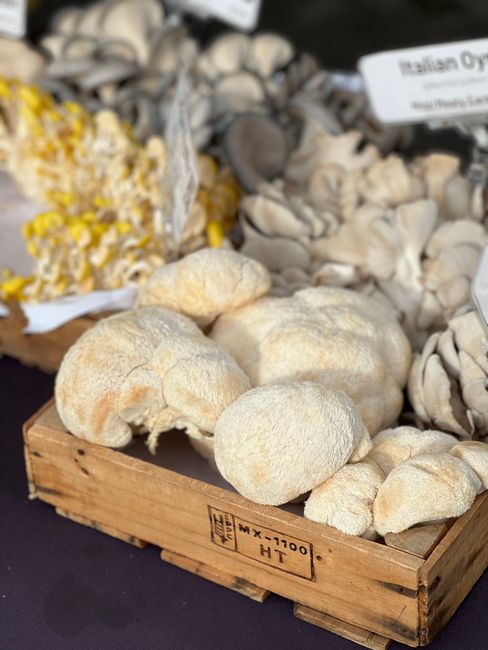
Lion’s Mane, scientifically known as Hericium erinaceus, is a unique edible mushroom recognized by its cascading, shaggy spines that resemble a lion’s mane. This distinctive fungus has been revered for centuries in traditional Eastern medicine.
It’s not just a culinary delight; modern research is increasingly uncovering its profound benefits, particularly for brain health.
Historical use and traditional medicine
For generations, traditional Chinese and Japanese medicine have utilized Lion’s Mane for its medicinal properties, often associated with improving digestion and invigorating the mind. Ancient practitioners believed it enhanced spiritual and mental clarity.
Its historical prominence underscores a long-standing appreciation for its potential health-promoting qualities.
Overview of its growing popularity for cognitive health
In recent years, Lion’s Mane has surged in popularity within Western health communities, driven by a growing interest in natural nootropics and brain health supplements. It is increasingly recognized for its potential to support various aspects of cognitive function.
This growing interest is fueled by compelling scientific research highlighting its unique neurological benefits.
II. Key Compounds and How They Work
Hericenones and Erinacines: The active ingredients
The remarkable cognitive effects of Lion’s Mane are primarily attributed to two distinct classes of bioactive compounds: hericenones and erinacines. These compounds are unique to the mushroom and play a crucial role in its therapeutic actions.
Hericenones are found mainly in the mushroom’s fruiting body, while erinacines are predominantly present in its mycelium.
Stimulating Nerve Growth Factor (NGF) production
One of the most significant mechanisms of action involves the stimulation of Nerve Growth Factor (NGF) synthesis. NGF is a protein essential for the growth, maintenance, and survival of neurons in the brain.
Both hericenones and erinacines have been shown to cross the blood-brain barrier, directly influencing NGF production within the brain.
Role in neurogenesis and neuronal health
By promoting NGF production, Lion’s Mane supports neurogenesis, the process of forming new neurons, and enhances neuroplasticity. This contributes to the brain’s ability to adapt and reorganize itself.
These actions are vital for overall neuronal health, protecting brain cells, and improving neural connectivity.
III. Primary Cognitive Benefits of Lion’s Mane
Enhanced Memory and Learning
Improving recall and information retention
Lion’s Mane mushroom is often lauded for its potential to improve memory, particularly recall and the ability to retain new information. Its neurotrophic properties contribute to a healthier environment for memory formation.
This benefit is closely linked to its capacity to support the hippocampus, a brain region crucial for memory processing.
Support for synaptic plasticity
The mushroom’s active compounds enhance synaptic plasticity, which is the ability of synapses (connections between neurons) to strengthen or weaken over time. This process is fundamental for learning and memory.
Improved synaptic function means the brain can form and consolidate memories more efficiently.
Improved Focus and Concentration
Reducing mental fog and enhancing clarity
Many users report a noticeable reduction in “mental fog” and an improvement in overall mental clarity after consistent consumption of Lion’s Mane. This can lead to enhanced cognitive performance in daily tasks.
By supporting neuronal health, it helps the brain operate more efficiently and without impedance.
Sustaining attention over longer periods
The neuroprotective and neuroregenerative effects of Lion’s Mane may also contribute to a sustained ability to focus and concentrate. This can be particularly beneficial for tasks requiring prolonged mental effort.
This sustained attention helps in maintaining productivity and improving task completion.
Neuroprotection and Brain Health
Antioxidant and anti-inflammatory effects on the brain
Lion’s Mane possesses potent antioxidant and anti-inflammatory properties, which are crucial for protecting brain cells from damage. Oxidative stress and inflammation are significant contributors to neurodegenerative processes.
These protective effects help to create a healthier brain environment, guarding against cellular deterioration.
Potential role in protecting against age-related cognitive decline
Given its ability to stimulate NGF and offer neuroprotection, Lion’s Mane shows promise in mitigating age-related cognitive decline. It supports the longevity and resilience of neural networks.
Ongoing research is exploring its full potential in maintaining cognitive vitality as we age.
Supporting Mood and Stress Response
Impact on alleviating symptoms of mild anxiety and depression
Emerging research suggests that Lion’s Mane may help alleviate symptoms of mild anxiety and depression. Animal studies, such as one from 2018, have shown that its extract has anti-inflammatory effects that can reduce anxiety and depressive behaviors in mice (Healthline).
Researchers theorize that improved hippocampal functioning, a brain area processing emotions, may contribute to these mood-enhancing effects.
Connection between NGF and emotional well-being
The stimulation of Nerve Growth Factor (NGF) may also play a role in emotional well-being. NGF is involved in various neural processes, and its support can positively influence brain regions linked to mood regulation.
This connection highlights a broader impact of Lion’s Mane beyond just cognitive tasks, extending to overall mental health.
IV. Scientific Research and Evidence
Summary of key studies on cognitive function
Numerous studies have investigated the cognitive-enhancing properties of Lion’s Mane. Research highlights its ability to improve memory, focus, and learning capacity, often linking these benefits to its active compounds like hericenones and erinacines.
These compounds promote neurogenesis and protect against neurodegenerative disorders, as indicated by various preclinical and preliminary human trials.
Research on mild cognitive impairment (MCI)
One notable area of research focuses on Lion’s Mane’s effects on mild cognitive impairment (MCI). A 2020 study involving people with “mild” Alzheimer’s disease found that daily supplementation with 1 gram of Lion’s Mane for 49 weeks significantly improved cognitive test scores compared to a placebo (Healthline).
Another clinical trial demonstrated its potential in reducing symptoms of MCI, suggesting a role in improving cognitive function in affected individuals (PMC, NIH).
Human and animal studies supporting its neuroprotective qualities
Both human and animal studies consistently support the neuroprotective qualities of Lion’s Mane. For instance, a pilot randomized, placebo-controlled study in 2023 examined the effects of Lion’s Mane supplementation on cognitive performance, stress, and mood in young adults, noting positive effects on pro-brain-derived neurotrophic factor in conjunction with memory and mood enhancements (Docherty et al., Nutrients).
Animal research from 2018 also confirmed that Lion’s Mane extract could regenerate brain cells and improve hippocampus functioning, crucial for memory and emotional responses (Healthline).
V. Other Potential Health Benefits (Briefly)
Digestive health support
Beyond its brain-boosting capabilities, Lion’s Mane has traditionally been used to support digestive health. It may help protect the stomach lining and reduce inflammation in the gut.
Its polysaccharides are thought to contribute to a healthy gut microbiome.
Immune system modulation
The mushroom also exhibits immunomodulatory effects, meaning it can help balance and strengthen the immune system. This contributes to overall bodily resilience.
Its compounds may enhance the activity of immune cells, helping the body fight off pathogens.
Anti-inflammatory properties beyond the brain
Lion’s Mane possesses systemic anti-inflammatory properties that extend beyond just the brain. These broad anti-inflammatory effects can benefit various bodily systems.
Reducing chronic inflammation is crucial for preventing numerous health issues throughout the body.
VI. Considerations and How to Incorporate Lion’s Mane
General forms available
Lion’s Mane mushroom is available in several forms, including whole dried mushrooms, powders, capsules, and liquid extracts. These various options allow for flexible incorporation into different lifestyles and preferences.
Choosing the right form often depends on individual convenience and desired concentration of active compounds.
Importance of quality and sourcing
When considering Lion’s Mane, the quality and sourcing of the product are paramount. Look for reputable sources that provide information on how their mushrooms are cultivated and processed.
Ensuring a high-quality product helps guarantee the potency and purity of the beneficial compounds.
Consulting with a healthcare professional
As with any supplement, it is always advisable to consult with a healthcare professional before incorporating Lion’s Mane into your routine. This is especially important if you have underlying health conditions or are taking other medications.
A healthcare provider can offer personalized advice and ensure it aligns with your individual health needs.
VII. Conclusion
Recap of Lion’s Mane’s significant cognitive advantages
Lion’s Mane mushroom stands out as a powerful natural ally for cognitive health, offering a range of significant benefits. From enhancing memory and focus to providing neuroprotection, its impact on brain function is increasingly clear.
Its unique compounds, hericenones and erinacines, play a central role in stimulating Nerve Growth Factor and supporting overall neuronal vitality.
Future outlook for research and understanding
While current research is highly promising, the scientific understanding of Lion’s Mane is continually evolving. Ongoing studies will further illuminate its full therapeutic potential and optimize its application for various neurological conditions.
The future holds exciting possibilities for this remarkable fungus in the realm of brain health.
Final thoughts on its role as a natural brain health ally
As we continue to seek natural ways to support our health, Lion’s Mane mushroom emerges as a compelling option for maintaining and enhancing cognitive function. Its blend of traditional use and modern scientific backing positions it as a valuable natural brain health ally.
Embracing Lion’s Mane could be a proactive step towards a sharper, clearer, and more resilient mind.