In an age where mental clarity and focus are highly sought after, many individuals struggle with cognitive decline, brain fog, and a lack of concentration. Lion’s Mane mushroom (Hericium erinaceus), a fascinating fungus with a rich history in traditional medicine, offers a compelling natural solution. This guide delves into the scientific understanding of Lion’s Mane, exploring its mechanisms and potential to support and enhance cognitive function for a sharper mind.
What is Lion’s Mane Mushroom?
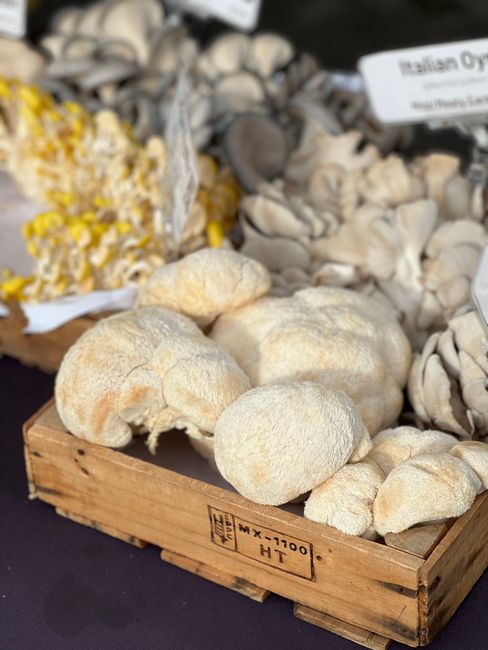
Lion’s Mane mushroom, scientifically known as Hericium erinaceus, is a unique edible fungus easily identifiable by its shaggy, white, cascading spines that resemble a lion’s mane. It grows on hardwood trees and has been revered for centuries in various Eastern cultures.
Traditional Uses
Historically, Lion’s Mane has been a staple in Traditional Chinese Medicine (TCM) and Japanese herbalism. It was traditionally consumed not only for its culinary appeal but also for its purported benefits for overall health, particularly related to digestion and, more subtly, for supporting cognitive vitality.
Key Bioactive Compounds
The mushroom’s remarkable health benefits are attributed to its distinct bioactive compounds. Foremost among these are hericenones, found in the fruiting body, and erinacines, predominantly in the mycelium, both of which are central to its neurogenic potential.
The Science Behind Lion’s Mane and Brain Health
The growing interest in Lion’s Mane stems from its potential to support brain health through several biological pathways. Research suggests it may influence crucial aspects of neuronal function and protection.
Neurotrophic Factors (NGF)
One of the most significant proposed mechanisms involves the stimulation of Nerve Growth Factor (NGF). NGF is a vital protein that plays a critical role in the growth, maintenance, and survival of various neurons, including those in the brain, thereby supporting neurogenesis and synaptic plasticity.
Antioxidant Properties
Lion’s Mane is rich in various antioxidant compounds that help combat oxidative stress. Oxidative stress is a key contributor to cellular damage and can accelerate cognitive decline, making the mushroom’s antioxidant capacity beneficial for protecting brain cells.
Anti-inflammatory Effects
Chronic inflammation, particularly in the brain, can negatively impact cognitive function and contribute to neurodegenerative conditions. The anti-inflammatory properties of Lion’s Mane may help to reduce neural inflammation, fostering a healthier environment for optimal brain performance and resilience.
Key Cognitive Benefits of Lion’s Mane
Emerging research and traditional knowledge point to several potential cognitive advantages associated with regular consumption of Lion’s Mane mushroom. These benefits span various aspects of mental function.
Memory Enhancement
Lion’s Mane has garnered attention for its potential to improve memory function. Early studies, including some on animals and preliminary human trials, suggest it may enhance both spatial and recognition memory, possibly by boosting neuronal plasticity and connection strength.
Improved Focus and Concentration
By potentially enhancing neural pathways and reducing factors that contribute to “brain fog,” Lion’s Mane may help foster better attentional control and concentration. Users often report a clearer mental state and increased ability to focus on tasks for longer durations.
Mood Regulation and Stress Reduction
Beyond direct cognitive benefits, Lion’s Mane may possess adaptogenic qualities that assist in mood regulation and stress reduction. By helping the body adapt to stress and potentially mitigating symptoms of anxiety and depression, it indirectly supports robust cognitive function and overall mental well-being.
Neuroprotection and Brain Cell Regeneration
The compounds in Lion’s Mane are believed to offer significant neuroprotection, shielding neurons from damage and promoting their survival. Furthermore, its potential to stimulate the creation of new brain cells is crucial for long-term brain health and combating age-related cognitive decline.
How to Incorporate Lion’s Mane into Your Diet
Integrating Lion’s Mane into your daily routine can be a delicious and beneficial experience. Whether you prefer it as a culinary delight or a convenient supplement, there are various ways to enjoy its benefits.
Culinary Uses
Fresh Lion’s Mane mushroom has a unique texture often compared to crab or lobster, with a mild, slightly sweet, and savory flavor. It can be sautéed, roasted, or even fried until golden brown, making it a versatile and gourmet addition to many dishes.
Supplement Forms (General Information)
For those seeking convenience, Lion’s Mane is widely available in various supplement forms. These include powders that can be added to smoothies or coffee, capsules for easy dosing, and liquid tinctures. It’s important to understand that the quality and concentration of active compounds can vary significantly between products.
Dosage Considerations (General)
General dosages observed in research and commonly used in supplements range from 500 mg to 3,000 mg per day. It is always advisable to start with a lower dose and gradually increase it, and importantly, to consult with a healthcare professional to determine the most appropriate dosage for your individual needs and health goals.
Potential Side Effects and Precautions
While Lion’s Mane mushroom is generally considered safe for most individuals, it’s wise to be aware of potential considerations before incorporating it into your routine.
Generally Well-Tolerated
Lion’s Mane mushroom is widely regarded as safe, with a long history of traditional use and very few reported adverse effects. Most individuals can consume it without experiencing any issues.
Possible Mild Side Effects
In some sensitive individuals, mild side effects such as digestive upset, stomach discomfort, or skin irritation have been reported. These are typically rare and often resolve with reduced dosage or discontinuation.
Interactions and Contraindications
Individuals currently on medication, especially those for diabetes or blood clotting, or with pre-existing health conditions, should consult a healthcare professional before taking Lion’s Mane. While generally safe, potential interactions are a possibility that should be discussed with an expert.
Quality and Sourcing
To ensure safety and efficacy, it is crucial to source Lion’s Mane from reputable suppliers who provide third-party tested products. This helps confirm the purity, potency, and absence of contaminants in the mushroom supplements you choose.
Conclusion
Lion’s Mane mushroom stands out as a promising natural ally for cognitive health and overall well-being. Its unique compounds are believed to support neurogenesis, enhance memory, improve focus, and offer neuroprotective benefits, making it a compelling subject for ongoing research.
While further large-scale human studies are continually emerging to solidify these findings, the existing evidence and traditional uses highlight its significant potential. By considering a holistic approach to cognitive health that includes a balanced diet, regular exercise, and potentially supplements like Lion’s Mane, individuals can proactively support their brain health for years to come.