Struggling with focus or experiencing ‘brain fog’ can significantly impact daily life, but natural solutions are gaining scientific attention. Lion’s Mane mushroom, a unique edible fungus, offers a promising natural intervention. Rich in neuroactive compounds, it stands out for its potential to support memory, enhance concentration, and protect overall brain health.
What is Lion’s Mane Mushroom (Hericium erinaceus)?
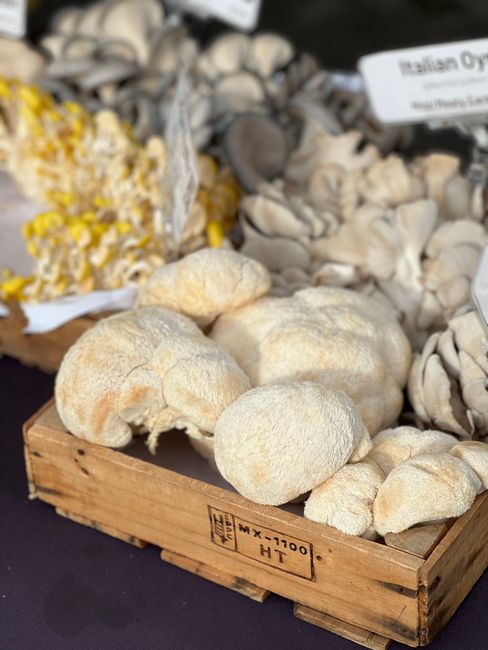
Lion’s Mane mushroom, scientifically known as Hericium erinaceus, is a fascinating fungus recognized by its distinctive shaggy, white appearance resembling a lion’s mane. It typically grows on hardwood trees in temperate forests and has been a staple in traditional East Asian medicine for centuries.
In recent years, modern science has taken a keen interest in this unique mushroom, particularly for its potential to act as a natural nootropic. This growing scientific exploration aims to understand and validate its historical uses, especially concerning cognitive health.
Understanding Lion’s Mane and Brain Health
Key Bioactive Compounds: Hericenones and Erinacines
Lion’s Mane contains a powerful arsenal of unique bioactive compounds, primarily hericenones and erinacines. These molecules are believed to be the primary drivers behind the mushroom’s neurological benefits.
Crucially, these compounds have shown the ability to stimulate the synthesis of Nerve Growth Factor (NGF), a protein vital for the growth, maintenance, and survival of nerve cells in the brain.
The Concept of Neurogenesis and Synaptic Plasticity
Neurogenesis refers to the process of generating new neurons in the brain, while synaptic plasticity describes the brain’s ability to strengthen or weaken connections between neurons over time. Both are fundamental to learning, memory, and overall brain function.
Lion’s Mane is believed to support these critical brain processes by promoting NGF, thereby encouraging the growth of new brain cells and enhancing the efficiency of neural connections.
Antioxidant and Anti-inflammatory Properties
Oxidative stress and inflammation are significant contributors to cognitive decline and can impair various brain functions. These harmful processes can damage brain cells and pathways.
Lion’s Mane mushroom possesses potent antioxidant and anti-inflammatory properties that may help counteract these detrimental effects. By reducing oxidative stress and inflammation, it could help protect brain tissue and maintain optimal cognitive performance.
Scientifically-Backed Cognitive Benefits of Lion’s Mane
Memory Enhancement and Recall
Research, including both animal and human studies, suggests that Lion’s Mane may significantly improve memory function. This includes enhancements in spatial and recognition memory, crucial for daily cognitive tasks.
According to a randomized, placebo-controlled trial published by Mori et al. in Phytotherapy Research (2009), older adults (50-80 years old) with mild cognitive impairment who took Lion’s Mane experienced significantly increased scores on cognitive function scales compared to the placebo group.
Focus, Concentration, and Mental Clarity
Many individuals report a reduction in ‘brain fog’ and improved mental clarity after incorporating Lion’s Mane into their routine. Preliminary studies and anecdotal evidence support its role in enhancing focus and concentration.
It’s thought that the mushroom’s ability to boost neuronal communication and support nerve health contributes to these improvements in attentional processes, leading to clearer thinking.
Potential Protection Against Cognitive Decline (Mild Cognitive Impairment & Neurodegenerative Diseases)
Lion’s Mane shows promise in supporting individuals experiencing mild cognitive impairment (MCI) and may offer neuroprotective benefits against neurodegenerative diseases. This is an area of significant ongoing research.
A 2020 study found that supplementation with 1 gram of Lion’s Mane mushroom daily for 49 weeks significantly improved cognitive test scores in people with mild Alzheimer’s disease compared to a placebo, suggesting potential neuroprotective mechanisms.
Support for Mood Regulation and Stress Resilience
While primarily known for cognitive benefits, improved brain health and reduced inflammation can also positively influence mood and stress resilience. Lion’s Mane may play an indirect role in supporting emotional well-being.
By promoting a healthier brain environment, it may help in managing symptoms of anxiety and depression, which often have a direct impact on cognitive performance and overall mental clarity.
How to Incorporate Lion’s Mane into Your Routine
Forms of Lion’s Mane
Lion’s Mane is versatile and available in several forms, making it easy to integrate into your lifestyle. You can find it as a fresh culinary mushroom, perfect for cooking delicious and healthy meals.
For concentrated benefits, it’s also available as dried powder, extracts, tinctures, and capsules, offering various concentrations and easy consumption methods.
General Dosage Considerations
Suggested dosages often vary based on the form and concentration of the supplement. Studies have typically used dosages ranging from 1 to 3 grams of dried mushroom powder or extract per day.
Crucial Disclaimer: Always consult a healthcare professional before starting any new supplement, especially if you have underlying health conditions or are taking other medications. They can provide personalized advice.
Safety and Potential Side Effects
Lion’s Mane mushroom is generally considered safe for most people, with very few reported side effects. It has a long history of use as both food and medicine.
In rare instances, some individuals might experience mild digestive upset or allergic reactions. If you notice any adverse effects, discontinue use and consult a healthcare provider.
Future Research and The Evolving Understanding
Current Limitations of Research
While promising, much of the research on Lion’s Mane has involved animal studies or small human trials. There is a clear need for more large-scale, long-term human clinical trials to solidify findings.
Furthermore, the variability in study designs and the preparation methods of mushroom extracts can sometimes make direct comparisons challenging across different research efforts.
Areas for Future Exploration
Future research is expected to delve deeper into the specific compounds responsible for Lion’s Mane’s effects, aiming to understand their precise mechanisms of action. This could lead to more targeted applications.
Scientists are also keen to investigate personalized dosages and how Lion’s Mane affects diverse populations, as well as exploring potential combination therapies with other nootropics or traditional treatments.
Conclusion
Lion’s Mane mushroom presents a significant and exciting promise for enhancing cognitive function, supporting memory, improving focus, and offering neuroprotection. Its unique bioactive compounds contribute to its growing reputation as a powerful natural brain booster.
While research continues to evolve, the existing scientific evidence provides a compelling case for its potential. We encourage readers to stay informed and to discuss any supplementation plans with qualified healthcare providers to make empowered, informed choices for their brain health.
Ultimately, Lion’s Mane stands out as a fascinating natural ingredient with a growing body of scientific backing for its profound impact on brain health, making it a valuable addition to a holistic wellness approach.