Chronic pain can significantly diminish your quality of life, often fueled by underlying chronic inflammation. This persistent inflammation can make daily activities a struggle, leaving many searching for effective relief. Fortunately, adopting an anti-inflammatory diet offers a powerful, natural solution to reduce systemic inflammation and alleviate chronic pain, helping you reclaim your well-being through mindful food choices.
The Science of Inflammation and Chronic Pain
Inflammation is the body’s natural protective response to injury or infection. While acute inflammation is vital for healing, chronic inflammation is a prolonged, low-grade response that can contribute to a host of health problems, including persistent pain.
This ongoing inflammatory state can sensitize nerve endings and damage tissues, leading to conditions like arthritis, back pain, and fibromyalgia. Crucially, the foods we consume have a profound impact, either fanning the flames of inflammation or helping to extinguish them.
Key Anti-Inflammatory Foods to Embrace
Incorporating a variety of nutrient-dense foods is fundamental to an anti-inflammatory diet. These foods are rich in compounds that actively work to reduce inflammatory markers in the body.
Omega-3 Fatty Acids
Omega-3 fatty acids are renowned for their potent anti-inflammatory properties. They help modulate the body’s inflammatory response, reducing the production of inflammatory molecules.
- Sources: Fatty fish like salmon, mackerel, and sardines are excellent sources. Plant-based options include flaxseeds, chia seeds, and walnuts.
- Benefits: According to a review published in the International Journal of Molecular Sciences (2018), omega-3 fatty acids, particularly EPA and DHA, significantly decrease inflammatory mediators and can be beneficial in managing chronic pain conditions.
Colorful Fruits and Vegetables (Rich in Antioxidants and Polyphenols)
Vibrantly colored fruits and vegetables are packed with antioxidants and polyphenols. These compounds neutralize harmful free radicals and protect cells from oxidative stress, a key driver of inflammation.
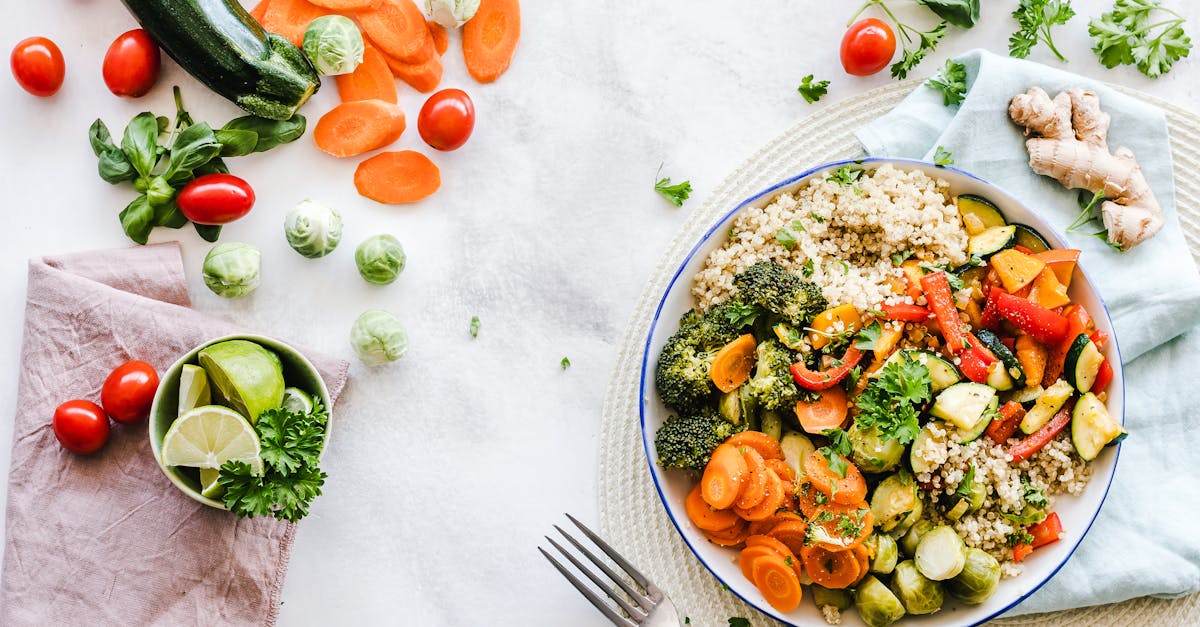
- Examples: Load up on berries, leafy greens (spinach, kale), broccoli, bell peppers, and tomatoes. Aim for a rainbow of colors on your plate daily.
- Benefits: A diet rich in these plant compounds supports cellular health and significantly reduces systemic inflammation.
Healthy Fats
Not all fats are created equal; healthy fats play a crucial role in reducing inflammation. They provide essential fatty acids and support overall cellular function.
- Sources: Prioritize extra virgin olive oil, avocados, and a variety of nuts and seeds.
- Benefits: Monounsaturated and polyunsaturated fats contribute to lowering inflammation and supporting cardiovascular health.
Whole Grains
Unlike refined grains, whole grains retain their bran, germ, and endosperm, offering a wealth of fiber and nutrients. Fiber is vital for a healthy gut microbiome, which plays a significant role in modulating inflammation.
- Examples: Opt for oats, brown rice, quinoa, and whole-wheat bread and pasta.
- Benefits: Their high fiber content supports gut health and can contribute to a reduction in inflammatory markers.
Legumes and Beans
Legumes and beans are nutritional powerhouses, providing fiber, plant-based protein, and various antioxidants. They are excellent additions to any anti-inflammatory eating plan.
- Examples: Include lentils, chickpeas, and black beans in your meals.
- Benefits: These foods help stabilize blood sugar and provide prebiotics that feed beneficial gut bacteria, further reducing inflammation.
Spices and Herbs
Many common spices and herbs possess powerful natural anti-inflammatory compounds. Incorporating them into your cooking can add flavor and health benefits.
- Examples: Turmeric (with piperine from black pepper for absorption), ginger, and garlic are particularly noteworthy.
- Benefits: A study in Foods (2020) highlighted curcumin, the active compound in turmeric, for its ability to suppress inflammatory pathways, making it a valuable adjunct in pain management.
Inflammatory Foods to Limit or Avoid
Just as some foods fight inflammation, others can actively promote it. Reducing or eliminating these items is key to managing chronic pain through diet.
Refined Carbohydrates and Sugary Foods
These foods cause rapid spikes in blood sugar, which can trigger an inflammatory response in the body. They often lack fiber and essential nutrients.
- Examples: White bread, pastries, sugary drinks, candies, and many processed snacks.
- Impact: Regular consumption can lead to chronic low-grade inflammation, exacerbating pain conditions.
Processed Meats
Processed meats are typically high in saturated fats, sodium, and preservatives, all of which can contribute to systemic inflammation.
- Examples: Bacon, sausages, hot dogs, and deli meats.
- Impact: These foods have been linked to an increased risk of inflammatory diseases.
Trans Fats and Unhealthy Saturated Fats
Trans fats are particularly detrimental to health and should be avoided entirely. Excessive saturated fats, found in many processed foods, also promote inflammation.
- Sources: Fried foods, fast food, certain baked goods, margarine, and shortenings.
- Impact: These fats can elevate bad cholesterol levels and directly contribute to systemic inflammation.
Excessive Alcohol
While moderate alcohol consumption might have some benefits, excessive intake can significantly exacerbate inflammation. It can also interfere with nutrient absorption.
- Impact: Heavy drinking can damage the gut lining, leading to increased intestinal permeability and a heightened inflammatory response throughout the body.
Building Your Anti-Inflammatory Meal Plan
Transitioning to an anti-inflammatory diet doesn’t have to be daunting. Focus on gradual, sustainable changes and mindful planning to make it a seamless part of your lifestyle.
- Grocery Shopping Smart: Prioritize the perimeter of the grocery store for fresh produce, lean proteins, and healthy fats. Read labels carefully to avoid hidden sugars and unhealthy oils.
- Breakfast Ideas: Start with oatmeal topped with berries and chia seeds, or a spinach and mushroom omelet with a side of avocado.
- Lunch & Dinner: Build meals around a generous portion of colorful vegetables, a source of lean protein (fish, chicken, lentils), and a healthy fat like olive oil. Think grilled salmon salad or a hearty lentil soup.
- Snacks: Keep it simple with a handful of almonds, an apple with a tablespoon of nut butter, or some carrot sticks with hummus.
- Simple Swaps: Replace white rice with brown rice or quinoa. Choose sparkling water with lemon instead of soda. Use olive oil instead of butter for cooking.
Remember, variety is key to ensure you’re getting a broad spectrum of nutrients. Experiment with different recipes and spices to keep your meals exciting and delicious.
Beyond Diet: Complementary Strategies for Chronic Pain Management
While diet is a cornerstone, a holistic approach is most effective for managing chronic pain. Incorporating other healthy habits can amplify the benefits of your anti-inflammatory eating plan.
- Regular Physical Activity: Engage in low-impact exercises like walking, swimming, or yoga. Movement can reduce stiffness, improve mood, and release natural pain-relieving endorphins.
- Stress Management Techniques: Chronic stress can worsen pain and inflammation. Practice mindfulness, meditation, deep breathing exercises, or gentle yoga to calm your nervous system.
- Adequate Sleep: Prioritize 7-9 hours of quality sleep per night. Sleep is crucial for bodily repair and plays a significant role in pain perception and inflammatory regulation.
- Consult Healthcare Professionals: Work with doctors, dietitians, or physical therapists to develop a comprehensive, personalized pain management plan that addresses all aspects of your health.
Conclusion: Empowering Yourself Through Dietary Choices
Embracing an anti-inflammatory diet is a powerful step towards actively managing chronic pain and improving overall health. By consciously choosing foods that nourish your body and reduce inflammation, you can experience significant relief and enhance your quality of life.
Making sustainable lifestyle changes, combined with other complementary strategies, empowers you to take an active role in your well-being. Start small, be consistent, and listen to your body – your dietary choices are a key to a less painful, more vibrant future.