Struggling with the visible signs of aging or experiencing frustrating hair loss? Many individuals seek non-invasive solutions to improve their skin’s appearance and stimulate hair growth. Red Light Therapy (RLT) offers a promising, accessible approach by utilizing specific wavelengths of light to enhance cellular function, potentially leading to revitalized skin and healthier hair.
1. Introduction to Red Light Therapy
Red Light Therapy (RLT), also known as photobiomodulation (PBM), is a therapeutic technique that uses low-level red and near-infrared (NIR) light wavelengths to stimulate cellular processes. Unlike harmful UV rays, RLT uses specific, beneficial wavelengths that do not cause skin damage.
This therapy distinguishes itself from other light treatments like blue light therapy, which targets acne-causing bacteria, by focusing on deeper cellular regeneration. Its primary mechanism involves stimulating mitochondria, the “powerhouses” of our cells, to produce more adenosine triphosphate (ATP), which is crucial for cellular repair and regeneration.
2. The Science Behind Red Light Therapy
Red Light Therapy operates within a specific segment of the light spectrum, typically using red light (around 630-700 nm) and near-infrared light (around 780-1200 nm). These wavelengths are capable of penetrating the skin to reach underlying cells and tissues.
At a cellular level, RLT triggers several beneficial mechanisms. It primarily enhances mitochondrial activation, leading to increased ATP production, which provides the energy needed for cellular repair and rejuvenation. This process also facilitates nitric oxide release and activates various signaling pathways.
These cellular changes collectively impact the production of essential proteins like collagen and elastin, vital for skin structure and elasticity. Furthermore, RLT can improve blood flow and nutrient delivery to tissues, supporting overall cellular health and function.
3. Red Light Therapy for Skin Aging
Reducing Wrinkles and Fine Lines
One of the most sought-after benefits of RLT for skin is its potential to diminish the appearance of wrinkles and fine lines. By stimulating the synthesis of collagen and elastin, RLT helps to rebuild the skin’s structural integrity.
This enhanced production of key proteins can lead to significantly improved skin elasticity and firmness. Regular use may result in a smoother, more youthful complexion.
Improving Skin Tone and Texture
Beyond wrinkles, RLT also contributes to a more even and radiant skin tone. It can aid in the reduction of hyperpigmentation and sun spots, leading to a more uniform complexion.
Additionally, consistent application of red light therapy has been observed to help in minimizing pore size and enhancing overall skin radiance. This creates a healthier and more vibrant skin appearance.
Addressing Other Skin Concerns
Red Light Therapy’s anti-inflammatory properties make it beneficial for a range of other skin issues. It can contribute to acne and inflammation reduction by calming irritated skin and supporting healing.
RLT is also explored for its role in scar healing and reduction, including issues like acne scars, by promoting tissue regeneration. Some individuals with rosacea have also reported improvements in redness and inflammation through consistent RLT use.
4. Red Light Therapy for Hair Growth
Mechanism of Action for Hair Follicles
For those experiencing hair thinning or loss, Red Light Therapy offers a non-invasive option to support hair regrowth. Its primary action involves stimulating dormant hair follicles, encouraging them to re-enter the active growth phase.
Furthermore, RLT works by increasing blood flow to the scalp, ensuring hair follicles receive a richer supply of oxygen and nutrients essential for growth. It also helps in reducing inflammation in the scalp, which can be a contributing factor to various types of hair loss.
Addressing Different Types of Hair Loss
Red Light Therapy has shown promise in managing various forms of hair loss. It is most commonly applied for androgenetic alopecia, often referred to as pattern baldness, in both men and women.
While research is ongoing, RLT may also offer some benefits for improving thinning hair and enhancing overall hair density. Though less studied for other conditions like alopecia areata, its general hair follicle stimulating effects are encouraging.
Expected Results and Efficacy
The efficacy of Red Light Therapy for hair growth often depends on consistent and correct application. Users typically begin to notice reduced hair shedding and new hair growth after several weeks to months of regular treatment.
Individual results can vary based on the severity of hair loss, device quality, and adherence to treatment protocols. Patience and consistency are crucial for achieving noticeable improvements in hair density and scalp health.
5. How to Use Red Light Therapy Safely and Effectively
Types of Devices
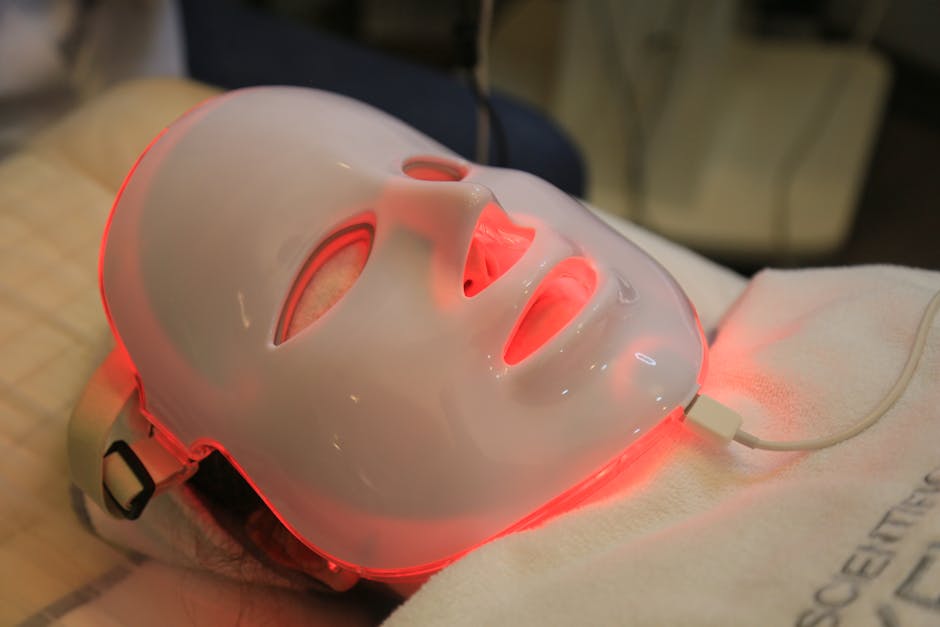
Red Light Therapy is available in various forms to suit different needs and areas of the body. Common devices include larger panels for full-body or large area treatment, specialized masks for facial skin, and portable handheld devices for targeted applications.
For hair growth specifically, caps or helmets embedded with red light diodes are popular and designed to provide comprehensive scalp coverage. Each device type offers different levels of convenience and intensity.
Key Factors for Effective Treatment
To maximize the benefits of RLT, understanding several key factors is essential. The specific wavelengths used (red and near-infrared) are crucial for optimal penetration and cellular response. The irradiance or power density of the device determines the intensity of light delivery.
Effective treatment also relies on appropriate treatment duration and frequency, typically ranging from a few minutes per session several times a week. Above all, consistency of use is paramount for achieving and maintaining desired results over time.
Safety Considerations and Potential Side Effects
Red Light Therapy is generally considered safe for most users, but certain precautions should be observed. Depending on the device, eye protection may be necessary, especially when using high-intensity panels or devices near the face.
Some individuals might experience mild and temporary skin sensitivity or redness immediately after a session. It is always advisable to consult a healthcare professional before starting RLT, particularly if you have underlying medical conditions or are taking photosensitizing medications.
6. What to Look for in a Red Light Therapy Routine
Embarking on a Red Light Therapy routine requires realistic expectations and commitment. It’s important to understand that results are not instantaneous and typically manifest over weeks or months of consistent use.
For optimal benefits, consider combining RLT with other healthy practices such as a balanced diet, a consistent skincare regimen, and effective stress management. The synergy of these approaches can enhance overall well-being and accelerate results.
Ultimately, patience and consistency are your most valuable assets when integrating Red Light Therapy into your wellness routine. Regular, disciplined sessions are far more effective than sporadic high-intensity treatments.
7. Conclusion
Red Light Therapy presents a compelling, non-invasive option for individuals looking to address concerns related to skin aging and hair loss. By tapping into the body’s natural cellular regeneration processes, RLT offers a unique pathway to improved dermal health and revitalized hair follicles.
Its accessible nature and promising results position it as a valuable addition to modern wellness and beauty regimens. As research continues to unfold, the future outlook for RLT’s applications across various health and cosmetic fields remains incredibly positive.