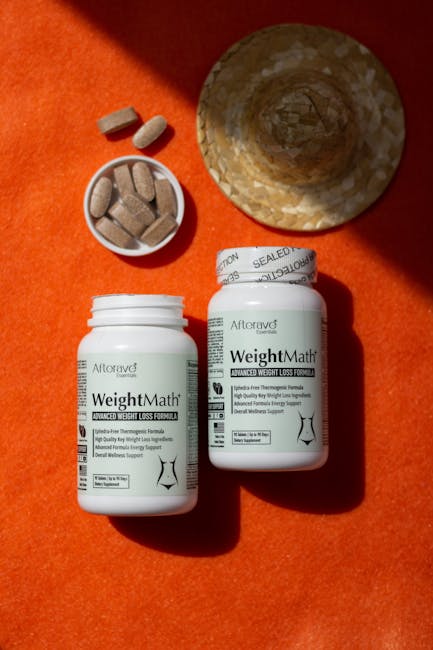
The Appeal and Reality of Weight Loss Supplements
Many individuals struggle with weight management, often seeking quick and effective solutions to shed excess pounds. The promise of an easy fix from weight loss supplements can be tempting, addressing the desire for rapid results. However, it’s crucial to understand that these supplements are not magic bullets; they are merely tools that may support a broader weight loss strategy. Making informed choices about weight loss supplements is paramount to ensure both safety and potential effectiveness on your health journey.
Types of Weight Loss Supplements: How They Claim to Work
The market is flooded with various types of weight loss supplements, each claiming to tackle weight loss through different mechanisms. Understanding these categories can help you discern how each product might theoretically impact your body. Most aim to either increase calorie expenditure, reduce intake, or interfere with nutrient absorption.
Fat Burners
Fat burners often aim to increase your body’s metabolism and thermogenesis, the process of heat production. This can lead to a slight increase in calorie burning, even at rest. Ingredients like caffeine are commonly found in these formulations, contributing to their stimulatory effects.
Appetite Suppressants
Appetite suppressants work by attempting to reduce feelings of hunger and control cravings, which can lead to lower calorie intake. Many achieve this by promoting a feeling of fullness or by influencing hunger-regulating hormones. Fiber-based supplements, for instance, can expand in the stomach, thereby increasing satiety.
Carb Blockers
Carb blockers are designed to inhibit the digestion and absorption of carbohydrates in the body. They typically contain enzymes that interfere with the breakdown of complex carbohydrates into simpler sugars, theoretically reducing the number of calories absorbed from carb-rich foods. This mechanism aims to lessen the caloric impact of meals high in starches.
Fat Blockers
Similar to carb blockers, fat blockers work by interfering with the digestion of dietary fats. These supplements aim to prevent some of the fat you eat from being absorbed by the body, instead passing it through the digestive system. This can reduce the total fat calories taken in, but often comes with potential digestive side effects.
Metabolism Boosters
Metabolism boosters are a broad category of supplements that aim to generally increase your body’s energy expenditure. While some overlap with fat burners, these products often focus on ingredients that support various metabolic pathways. They promise to make your body more efficient at burning calories throughout the day.
Common Ingredients and What They Do
Many weight loss supplements share a set of common ingredients, each with purported benefits. While some have more scientific backing than others, it’s important to understand what each might do. Always research individual ingredients before consuming any supplement.
- Green Tea Extract (EGCG): Rich in antioxidants and catechins, particularly EGCG, green tea extract is often included for its potential to boost metabolism and fat oxidation. Some research suggests it may contribute to a modest increase in energy expenditure.
- Caffeine: A well-known stimulant, caffeine can increase alertness, enhance athletic performance, and may slightly boost metabolism. It’s a common ingredient in many fat burners due to its thermogenic properties.
- Garcinia Cambogia (HCA): This tropical fruit extract contains hydroxycitric acid (HCA), which is theorized to inhibit a fat-producing enzyme and increase serotonin levels, potentially reducing appetite. However, studies on its effectiveness for weight loss have yielded mixed results.
- Conjugated Linoleic Acid (CLA): CLA is a type of fatty acid found naturally in meat and dairy products. It’s marketed as a supplement to help reduce body fat and increase lean muscle mass. While some animal studies show promise, human research has been inconsistent and generally shows only modest effects.
- Glucomannan (Fiber): Derived from the konjac plant, glucomannan is a soluble dietary fiber that absorbs water and expands in the stomach, promoting feelings of fullness. This can lead to reduced calorie intake and is often used as an appetite suppressant.
- Other natural extracts: Many other botanical ingredients, such as forskolin, capsaicin, and various fruit extracts, are included in supplements for their purported benefits in metabolism, fat burning, or appetite control. The scientific evidence for many of these is often limited or inconclusive.
What to Look For (and Avoid) in a Weight Loss Supplement
Choosing a weight loss supplement wisely requires careful consideration to protect your health and finances. Not all supplements are created equal, and some can even be harmful. Prioritize safety and efficacy above all else when evaluating products.
Scientific Evidence
Always prioritize supplements that contain ingredients with strong scientific evidence backing their efficacy and safety for weight loss. While specific study citations are unavailable through this tool, look for ingredients that reputable health organizations acknowledge as having some benefit. Be wary of products making unsubstantiated claims without any research to support them.
Ingredient Quality and Purity
Opt for supplements from reputable manufacturers known for high-quality production standards. The purity of ingredients can vary significantly, affecting both the safety and effectiveness of the product. Researching the brand’s reputation and manufacturing practices is a critical step.
Transparency
A trustworthy supplement will have clear labeling that lists all ingredients and their exact dosages. Avoid products with “proprietary blends” where individual ingredient amounts are hidden, as this lack of transparency can mask ineffective or potentially harmful concentrations. You should know exactly what you’re putting into your body.
Third-Party Testing
Supplements that undergo third-party testing by independent organizations offer an extra layer of assurance. This testing verifies the purity, potency, and absence of contaminants or banned substances. Look for seals or certifications from organizations like NSF International, USP, or ConsumerLab.
Potential Red Flags
Be cautious of products exhibiting certain red flags. These include exaggerated claims of rapid or effortless weight loss, promises of “secret” ingredients, or testimonials that seem too good to be true. Unlisted ingredients, especially stimulants or pharmaceuticals, can also pose serious health risks.
Potential Risks and Side Effects
While some weight loss supplements are relatively benign, many carry potential risks and side effects. These can range from mild discomfort to severe health complications. Understanding these risks is essential before starting any new supplement.
Common side effects can include jitters, anxiety, digestive issues such as nausea, diarrhea, or constipation, and sleep disturbances. These are often associated with stimulant-based supplements. More serious concerns involve potential interactions with existing medications, exacerbating underlying health conditions, or causing liver damage or cardiovascular problems.
It is always recommended to consult a healthcare professional before taking any weight loss supplement. They can assess your individual health status, potential drug interactions, and help determine if a supplement is appropriate and safe for you. Understanding your individual sensitivities to various ingredients is also crucial to minimize adverse reactions.
The Holistic Approach to Weight Management
Sustainable and healthy weight management extends far beyond simply taking a supplement. A holistic approach that addresses various lifestyle factors is the most effective strategy for long-term success. Supplements, if used, should only ever be a small part of this larger picture.
- Dietary changes: Focus on a balanced nutrition plan rich in whole foods, lean proteins, fruits, vegetables, and healthy fats. Practicing portion control and mindful eating are fundamental steps.
- Regular physical activity: Engage in consistent exercise that combines cardiovascular workouts with strength training. Physical activity not only burns calories but also improves metabolism, mood, and overall health.
- Sleep: Prioritize adequate, high-quality sleep. Poor sleep can disrupt hormones that regulate appetite and metabolism, making weight loss more challenging and increasing cravings.
- Stress management: Chronic stress can lead to increased cortisol levels, which can contribute to weight gain, particularly around the abdomen. Incorporate stress-reducing activities like meditation, yoga, or hobbies.
- The role of a healthcare provider: Work with a doctor or a registered dietitian to develop a personalized weight loss plan. They can provide guidance, monitor your progress, and address any health concerns, ensuring a safe and effective journey.
Conclusion: Making Informed Decisions for Your Health
Navigating the complex world of weight loss supplements requires a discerning eye and a commitment to informed decision-making. While the allure of a quick fix is strong, remember that true and lasting weight loss is built upon fundamental lifestyle changes. Supplements may offer some support, but they are not a substitute for a balanced diet and regular exercise.
Before considering any supplement, thoroughly research its ingredients, look for transparency and third-party testing, and always consult with a healthcare professional. Empower yourself to make personal, informed choices that prioritize your long-term health and well-being, focusing on sustainable habits for a healthier life.