Feeling overwhelmed by daily stressors can impact your overall well-being and productivity. Many people struggle to find natural solutions to manage persistent stress effectively, leading to continued agitation and discomfort. Fortunately, adaptogenic herbs like Ashwagandha offer a promising natural remedy, helping your body adapt to stress and promoting a sense of calm when taken at the correct dosage.
Understanding Ashwagandha: The Adaptogen for Stress
Ashwagandha (Withania somnifera) is an ancient medicinal herb, revered for thousands of years in Ayurvedic medicine. It is classified as an adaptogen, meaning it helps your body cope with physical, chemical, and biological stress more effectively.
Adaptogens work by normalizing physiological functions and supporting the body’s natural resilience to stress. Ashwagandha specifically influences the **hypothalamic-pituitary-adrenal (HPA) axis**, a central system in your body’s stress response, helping to regulate stress hormones like **cortisol**.
Its primary active compounds, known as **withanolides**, are believed to be responsible for its therapeutic effects. These compounds contribute to Ashwagandha’s ability to reduce stress, improve sleep, and enhance overall vitality.
Optimal Ashwagandha Dosage for Stress Relief: What the Research Says
Determining the right Ashwagandha dosage is crucial for maximizing its stress-relieving benefits. Research has identified effective ranges, particularly for standardized extracts, which contain consistent levels of active compounds.
Standardized Extracts
For stress reduction, a common and clinically supported dosage range for **standardized Ashwagandha root extract** is **300-600 mg daily**. This is often taken in one dose or split into two doses throughout the day.
Several studies support this range; for example, a 2019 Randomized Controlled Trial (RCT) found that 600 mg of **KSM-66 Ashwagandha daily** for eight weeks resulted in approximately a **25% reduction in cortisol levels** and significantly lowered perceived stress in adults with chronic stress (superpower.com, updated 2026). Furthermore, an 8-week study with 60 participants noted that 250 mg and 600 mg per day of Ashwagandha root extract significantly reduced perceived stress and anxiety (Salve, J., et al., pubmed.ncbi.nlm.nih.gov).
Specific proprietary extracts like **KSM-66** and **Sensoril** are often used in research due to their consistent potency. KSM-66 is typically recommended at 300-600 mg daily, while Sensoril, often more potent, might be effective at lower doses like 125-250 mg, as it’s standardized to higher withanolide concentrations.
Whole Root Powder
When using **whole Ashwagandha root powder**, the dosages tend to be higher due to lower concentration of active compounds. Dosages can range from 1,000 mg to over 6,000 mg per day, depending on the product and individual needs.
It’s important to recognize the distinction in potency between a raw powder and a concentrated extract. Extracts are typically more potent because the beneficial withanolides have been isolated and concentrated.
Gradual Approach
It is generally advisable to **start with a lower dose** and gradually increase it based on your body’s response. This allows you to assess individual tolerance and find the minimal effective dose for your unique needs.
Factors Influencing Ashwagandha Dosage
The ideal Ashwagandha dosage can vary based on several personal and product-related factors. What works for one person might not be optimal for another.
Individual Sensitivity
Everyone responds differently to supplements, and Ashwagandha is no exception. Factors like body weight, metabolism, and genetic predispositions can influence how your body processes the herb and reacts to its effects.
Some individuals may experience significant benefits at lower doses, while others might require a higher amount to achieve the desired effect. Always monitor your symptoms and adjust slowly.
Severity of Stress/Anxiety
For more pronounced symptoms of stress or anxiety, some individuals might consider higher dosages, though this should always be done under the guidance of a healthcare professional. A doctor can help determine a safe and effective regimen.
Self-medicating with high doses without professional oversight is not recommended, especially if you have underlying health conditions. Your doctor can provide personalized advice.
Formulation Type
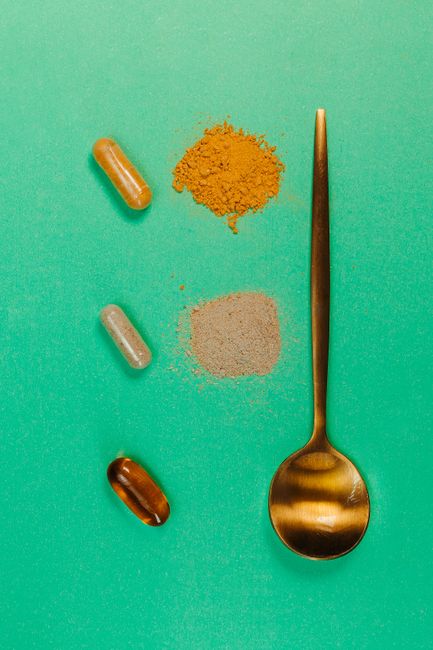
The form of Ashwagandha (capsules, powder, liquid extracts) and its concentration can impact dosage. Standardized extracts offer more predictable effects due to their consistent active compound levels.
Always check the product label for the specific concentration of withanolides and recommended serving sizes. This ensures you are taking an appropriate and effective dose.
Timing Your Ashwagandha Dosage for Maximum Benefit
The timing of your Ashwagandha dose can influence its effectiveness based on your body’s natural rhythms and symptoms. Many find that splitting their dose or taking it at specific times yields better results.
- Morning Dosing: Taking Ashwagandha in the morning can help manage **daytime anxiety** and reduce elevated morning cortisol levels, providing sustained calm and focus throughout the day.
- Evening Dosing: An evening dose is beneficial for individuals who experience difficulty winding down, have elevated nighttime cortisol, or seek **improved sleep quality**. This can support relaxation before bedtime.
- Split Dosing: Many clinical trials, including a 2019 RCT of KSM-66, often administer Ashwagandha in **split doses** (e.g., 300 mg twice daily) to provide comprehensive support across the day (superpower.com, updated 2026). This strategy can help maintain stable levels of the herb in your system, offering continuous adaptogenic effects.
Beyond Stress: Other Potential Benefits
While primarily known for its stress-relieving properties, Ashwagandha offers a range of other potential health benefits. These advantages contribute to overall well-being and systemic balance.
- Improved Sleep Quality: Ashwagandha has been shown to support better sleep, helping individuals fall asleep faster and experience more restorative rest.
- Enhanced Cognitive Function: Some research suggests benefits for memory, focus, and overall cognitive performance.
- Support for Physical Performance: It may aid in improving endurance, strength, and recovery in athletes due to its cortisol-lowering effects.
- Immune System Modulation: Ashwagandha can help balance and support a healthy immune response.
Important Considerations and Precautions
Before incorporating Ashwagandha into your routine, it’s essential to be aware of potential side effects, contraindications, and drug interactions. Safety should always be a top priority.
Potential Side Effects
While generally well-tolerated, some individuals may experience mild side effects, especially at higher doses. These can include **drowsiness**, **upset stomach**, diarrhea, or vomiting.
Starting with a lower dose and gradually increasing can help minimize the risk of these adverse reactions. If side effects persist, discontinue use and consult a healthcare provider.
Contraindications
Ashwagandha is **not recommended** for certain populations. This includes pregnant and breastfeeding women, as there is insufficient research on its safety during these periods.
Individuals with **autoimmune diseases** (like lupus, rheumatoid arthritis, or Hashimoto’s thyroiditis) should exercise caution due to Ashwagandha’s potential immune-modulating effects. People with **thyroid conditions** should also consult their doctor, as it may affect thyroid hormone levels.
Drug Interactions
Ashwagandha can interact with certain medications, potentially altering their effects. It may enhance the effects of **sedatives** and anti-anxiety medications, leading to increased drowsiness.
It could also interfere with **immunosuppressants**, thyroid hormones, and medications for diabetes or high blood pressure. Always discuss all current medications with your doctor before starting Ashwagandha.
Consulting a Healthcare Professional
It is **crucial to consult a healthcare professional** before starting any new supplement, including Ashwagandha. This is particularly important if you have pre-existing health conditions, are taking other medications, or are pregnant or breastfeeding.
A doctor can provide personalized advice, determine appropriate dosages, and help ensure Ashwagandha is safe and suitable for your individual health needs. They can also monitor for any potential interactions or side effects.
Conclusion: Integrating Ashwagandha into Your Wellness Journey
Ashwagandha offers a compelling natural solution for managing stress and enhancing overall well-being. By understanding its adaptogenic properties and adhering to optimal dosages, you can effectively harness its power to bring balance to your life.
Remember that the journey to wellness is deeply personal, and the right approach to Ashwagandha dosage will vary. Always prioritize a personalized approach and seek professional guidance to integrate this ancient herb safely and effectively into your daily routine.