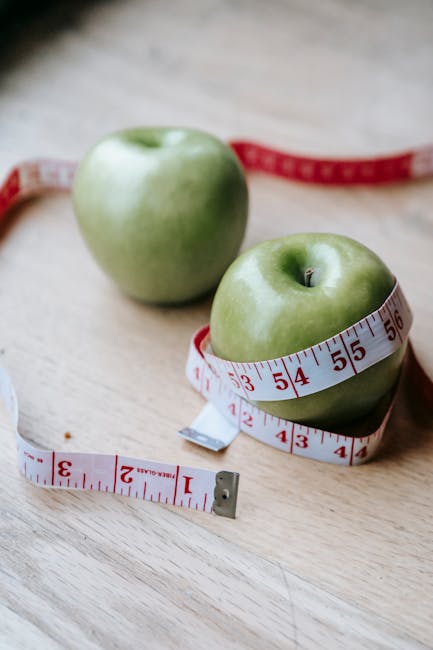
Struggling with weight loss can be frustrating, and many seek quick fixes, often turning to popular remedies like apple cider vinegar (ACV). While ACV is widely touted for its health benefits, the truth about its effectiveness for shedding pounds is complex and often exaggerated. This guide separates the myths from the facts, providing a clear, evidence-based look at ACV’s role in weight management.
What is Apple Cider Vinegar? (ACV Basics)
Apple cider vinegar is a fermented product made from apples, water, and yeast. The yeast ferments the sugar in the apples into alcohol, which bacteria then convert into acetic acid, the primary active compound in ACV.
A key component of unpasteurized ACV is “the mother,” a cloudy formation of acetic acid bacteria and cellulose. This living culture is believed to contain most of the beneficial enzymes and probiotics associated with ACV’s health properties.
The Science Behind ACV and Weight Loss
While often promoted as a weight loss miracle, ACV’s impact on body weight is more nuanced. Its potential benefits are primarily linked to its acetic acid content and its influence on metabolic processes.
Does ACV Boost Metabolism?
Claims that ACV significantly boosts metabolism lack strong scientific backing. While acetic acid may have minor effects on certain metabolic pathways, it is not a powerful metabolic accelerator that can lead to substantial calorie burning on its own.
Further robust human studies are needed to conclusively determine any direct metabolic boosting effects of ACV. Current research does not support the idea that ACV alone can drastically increase your metabolic rate.
ACV and Appetite Suppression:
Some research suggests that ACV might help with appetite suppression, potentially leading to reduced calorie intake. This effect is often attributed to acetic acid, which may promote feelings of fullness.
For instance, a study published in the Journal of Functional Foods (2014) found that consuming ACV with a high-carb meal increased satiety and reduced post-meal glucose and insulin levels in healthy adults. However, this effect can sometimes be due to digestive discomfort, rather than true appetite suppression, leading to people feeling too nauseous to eat more.
Blood Sugar Regulation and Weight Management:
ACV is perhaps most well-supported for its role in blood sugar regulation. Acetic acid has been shown to improve insulin sensitivity and lower blood sugar responses after meals.
According to research highlighted in the European Journal of Clinical Nutrition (2015), ingesting ACV before a high-carbohydrate meal can significantly reduce postprandial glucose and insulin responses. Stable blood sugar levels can help prevent cravings and overeating, indirectly supporting weight management efforts.
Fat Burning Claims: What Does the Research Say?
The idea that ACV directly burns fat is largely unsupported by robust scientific evidence. While some animal studies suggest potential fat metabolism effects, these findings have not consistently translated to significant direct fat loss in human trials.
Any perceived fat-burning benefits are more likely indirect, stemming from its potential effects on satiety and blood sugar control rather than a direct impact on adipose tissue. It is not a thermogenic agent in the way some supplements are.
Common Myths and Misconceptions About ACV and Weight Loss
Many myths surround apple cider vinegar, leading to unrealistic expectations and potentially unsafe practices. Understanding these misconceptions is crucial for a balanced perspective.
Myth 1: ACV is a Magic Bullet for Weight Loss.
The biggest myth is that ACV alone can cause significant weight loss without other lifestyle changes. ACV is not a magic bullet; it cannot override a poor diet or lack of exercise.
For sustainable weight loss, ACV should only be considered a supportive tool within a comprehensive approach. This includes a balanced diet, regular physical activity, and healthy lifestyle habits.
Myth 2: Drinking ACV Undiluted is More Effective.
Some believe that consuming ACV directly, without dilution, will yield better results. This is a dangerous misconception that can lead to severe health issues.
Undiluted ACV is highly acidic and can cause erosion of tooth enamel, irritation of the esophagus, and digestive upset. Always dilute ACV with water before consumption.
Myth 3: ACV Detoxifies the Body for Weight Loss.
The concept of ACV “detoxifying” the body to promote weight loss is unfounded. Your body has its own highly efficient detoxification systems, primarily involving the liver and kidneys.
There is no scientific evidence to suggest that ACV plays a significant role in enhancing these natural detoxification processes. Focusing on nourishing your body with whole foods is a more effective strategy for supporting natural detoxification.
Myth 4: You Can Eat Anything if You Drink ACV.
This myth suggests that ACV can somehow counteract the negative effects of an unhealthy diet. Believing this can lead to poor dietary choices and hinder any weight loss efforts.
A healthy, balanced diet is paramount for weight loss and overall health. ACV cannot nullify the impact of excessive calorie intake, processed foods, or sugary drinks.
How to Safely Incorporate Apple Cider Vinegar into Your Diet
If you choose to use ACV, doing so safely and correctly is essential. Proper dilution and understanding potential side effects are key to avoiding harm.
Proper Dilution and Dosage:
Always dilute apple cider vinegar before ingesting it. A common recommendation is to mix 1-2 tablespoons (15-30 ml) of ACV in 8 ounces (240 ml) of water.
Start with a smaller dose, such as 1 teaspoon in water, to assess your tolerance. Consuming ACV with meals can also help reduce potential stomach upset.
Best Ways to Consume ACV (Drinks, Dressings, etc.):
There are several palatable ways to incorporate ACV into your diet:
- ACV Drink: Mix diluted ACV with warm water, a squeeze of lemon, and a dash of honey or stevia.
- Salad Dressing: Use ACV as a base for homemade vinaigrettes, blending it with olive oil, herbs, and spices.
- Marinades: Incorporate ACV into marinades for meats or vegetables to add flavor and tenderize.
- Smoothies: A small amount of diluted ACV can be added to smoothies, though its strong flavor might be noticeable.
Potential Side Effects and Precautions:
Despite its perceived benefits, ACV comes with potential side effects, especially if consumed improperly. These include:
- Dental Erosion: The high acidity can erode tooth enamel over time. Use a straw when drinking diluted ACV and rinse your mouth with water afterward.
- Digestive Issues: Some people may experience nausea, indigestion, or heartburn, particularly with higher doses.
- Medication Interactions: ACV can interact with certain medications, such as diuretics, laxatives, and insulin, potentially lowering potassium levels or affecting blood sugar too much. Consult your doctor before adding ACV to your routine if you are on medication.
A Balanced Approach to Weight Loss
True, sustainable weight loss is achieved through a holistic approach. ACV, at best, can only be a minor supportive player in a well-rounded strategy.
The Role of Diet and Nutrition:
Focusing on a balanced diet rich in whole, unprocessed foods is crucial. Creating a moderate calorie deficit through portion control and smart food choices is fundamental for losing weight.
Prioritize lean proteins, plenty of fruits and vegetables, and healthy fats, while limiting sugary drinks, refined carbohydrates, and highly processed foods.
The Importance of Regular Exercise:
Physical activity burns calories, builds muscle mass, and improves overall metabolic health. Incorporate a mix of cardiovascular exercise and strength training into your routine.
Aim for at least 150 minutes of moderate-intensity aerobic activity or 75 minutes of vigorous-intensity activity per week, along with muscle-strengthening activities on two or more days.
Lifestyle Factors (Sleep, Stress Management):
Often overlooked, adequate sleep and effective stress management significantly impact weight. Poor sleep can disrupt hormones that regulate appetite, while chronic stress can lead to increased cortisol levels and weight gain.
Prioritize 7-9 hours of quality sleep per night and practice stress-reducing techniques like meditation, yoga, or spending time in nature.
Conclusion: The Verdict on ACV and Weight Loss
Ultimately, apple cider vinegar is not a miracle weight loss solution. While some studies suggest it may offer minor benefits related to appetite suppression and blood sugar regulation, these effects are modest and not a substitute for core healthy habits.
ACV can be a supportive addition to a healthy lifestyle that includes a balanced diet and regular exercise. Always dilute ACV, consume it safely, and consult with a healthcare professional before making significant dietary changes or using supplements, especially if you have underlying health conditions or are on medication.
Frequently Asked Questions (FAQs)
Q: How much apple cider vinegar should I drink for weight loss?
Most recommendations suggest 1-2 tablespoons (15-30 ml) diluted in 8 ounces (240 ml) of water, consumed once or twice daily. Start with a smaller dose to assess tolerance.
Q: When is the best time to drink apple cider vinegar for weight loss?
Some evidence suggests that consuming ACV before meals may help with blood sugar regulation and satiety. However, timing is less critical than consistent, safe consumption.
Q: Can apple cider vinegar burn belly fat?
There is no strong scientific evidence that ACV specifically targets and burns belly fat. Any potential fat loss would be part of overall weight reduction, primarily driven by diet and exercise.
Q: Are ACV gummies as effective as liquid ACV for weight loss?
ACV gummies may contain less acetic acid than liquid ACV and often include added sugars. Their effectiveness for weight loss is not as well-studied as liquid ACV, and many may not deliver the same potential benefits.
Q: Who should not take apple cider vinegar?
Individuals with ulcers, acid reflux, or other digestive issues should exercise caution or avoid ACV. People on certain medications (diuretics, insulin) should consult a doctor due to potential interactions. Pregnant or breastfeeding women should also seek medical advice before use.