Many individuals struggle with finding effective and sustainable ways to manage their weight, often feeling overwhelmed by countless diet fads and complex regimes. Weight loss juices have emerged as a popular solution, promising to simplify nutrition and kickstart metabolic processes. This guide provides a balanced perspective on integrating these nutrient-dense beverages into a holistic approach for healthy weight management.
What Are Weight Loss Juices and How Do They Work?
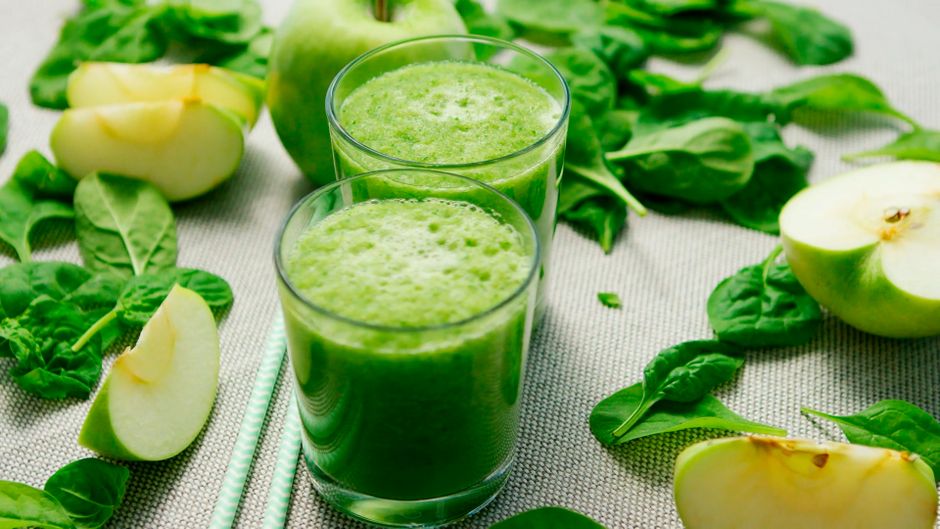
Weight loss juices are typically concoctions of blended or extracted fruits, vegetables, herbs, and spices, designed to deliver a high concentration of nutrients with fewer calories than solid meals. These beverages aim to support the body’s natural functions, potentially aiding in detoxification and boosting metabolism. The underlying principle is to provide essential vitamins and minerals efficiently, often as part of a calorie-controlled diet.
The Concept Behind Juicing for Weight Loss
The appeal of juicing for weight loss lies in its simplicity and the perceived ease of consuming a large quantity of fruits and vegetables. Advocates suggest that juicing allows the digestive system to rest while still providing vital nutrients. This process can theoretically lead to a caloric deficit, which is crucial for losing weight, especially when replacing higher-calorie meals.
Common Ingredients in Weight Loss Juices
A wide array of ingredients can be used in weight loss juices, each contributing different nutrients and potential benefits. These combinations are often tailored to specific health goals or taste preferences. Understanding the common components can help in selecting or preparing effective juice recipes.
- Fruits: Berries (rich in antioxidants), citrus fruits (high in Vitamin C), and apples (contain fiber) are frequently used. These add natural sweetness and a variety of vitamins.
- Vegetables: Leafy greens like spinach and kale (packed with vitamins and minerals), celery (hydrating and low-calorie), and cucumbers are staples. They contribute essential nutrients without excessive sugar.
- Herbs and Spices: Ginger and turmeric are often included for their anti-inflammatory properties, while parsley and mint can aid digestion. These additions can enhance both flavor and health benefits.
Potential Benefits of Incorporating Juices into Your Diet
Beyond weight loss, incorporating fresh juices into your diet can offer several general health advantages. These benefits stem from the concentrated nutrient profile found in fruits and vegetables. Juices can be an accessible way to increase daily intake of essential vitamins and minerals.
Nutrient Boost and Detoxification
Freshly prepared juices can deliver a concentrated dose of vitamins, minerals, and antioxidants, potentially boosting overall nutrient intake. Many believe that this high nutrient load supports the body’s natural detoxification processes, helping to eliminate waste products. While the body has its own efficient detox systems, a nutrient-rich diet certainly supports these functions.
Supporting Metabolism and Digestion
Certain ingredients found in weight loss juices, such as ginger and leafy greens, are known to support digestive health. A healthy digestive system is crucial for efficient nutrient absorption and waste elimination, which can indirectly support metabolic function. Proper hydration, often a component of juicing, also plays a role in maintaining metabolic health.
Hydration and Satiety
Juices contribute significantly to daily fluid intake, helping to keep the body well-hydrated. Adequate hydration is vital for almost all bodily functions, including metabolism and energy levels. The liquid nature of juices, especially those containing fiber (if blended), can also promote feelings of satiety, potentially reducing overall calorie intake.
The Science Behind Weight Loss Juices: What Research Says
The scientific community holds a mixed view on the efficacy and health implications of juice-based diets for weight loss. While the nutritional benefits of fruits and vegetables are undeniable, the specific role of juicing in long-term weight management is still debated. It’s important to approach juice diets with a balanced perspective, considering both potential advantages and drawbacks.
Evidence for Juice-Based Diets
Limited research suggests that short-term juice-only diets can lead to initial weight loss, primarily due to calorie restriction and fluid loss. For instance, a study published in Scientific Reports (2017) on a 3-day juice-only diet observed changes in gut microbiota associated with well-being and a significant reduction in body weight. However, these effects are often temporary, and sustained weight loss typically requires broader dietary and lifestyle changes.
Cautions and Criticisms from Health Experts
Health experts often caution against relying solely on juice diets for extended periods, citing concerns about insufficient protein, healthy fats, and fiber intake, which are crucial for satiety and muscle maintenance. While juices are nutrient-dense, they can lack the complete nutritional profile needed for long-term health. A review in the journal Nutrients (2019) highlighted that while short-term juice fasts might show some positive markers, long-term sustainability and nutritional adequacy are often questionable, especially for individuals with underlying health conditions.
How to Safely and Effectively Use Weight Loss Juices
For those interested in incorporating weight loss juices into their routine, a thoughtful and balanced approach is key to maximizing benefits while minimizing risks. Juices should complement, not completely replace, a varied diet. It’s about smart integration rather than extreme restriction.
Integrating Juices into a Balanced Diet
Rather than adopting restrictive juice cleanses, consider using juices as a supplement to a balanced diet. You can replace one meal with a nutrient-rich juice, such as breakfast, or consume them as a healthy snack. This approach ensures you still receive essential nutrients from whole foods while benefiting from the concentrated vitamins in juices.
Best Practices for Juicing at Home
When preparing juices at home, always use fresh, high-quality fruits and vegetables, and wash them thoroughly. Consider investing in a good juicer or blender, depending on whether you prefer pulp-free juice or a thicker smoothie-like consistency. Experiment with different combinations to find flavors you enjoy, focusing on a higher vegetable-to-fruit ratio to manage sugar content.
Avoiding Common Pitfalls (e.g., excessive sugar intake)
One of the biggest pitfalls of juicing is the potential for excessive sugar intake, especially when using a lot of fruits. While natural, fruit sugars can still contribute to calorie intake and blood sugar spikes if consumed in large quantities without fiber. To mitigate this, prioritize vegetables in your juice recipes and consume juices in moderation, being mindful of portion sizes.
Beyond the Juice: Holistic Approaches to Weight Management
While weight loss juices can be a beneficial component of a healthy lifestyle, they are most effective when integrated into a broader, holistic approach to weight management. Sustainable weight loss is rarely achieved through a single solution. It requires attention to multiple aspects of health and daily habits.
The Role of Diet and Nutrition
A balanced diet rich in whole foods, lean proteins, healthy fats, and complex carbohydrates forms the foundation of effective weight management. Juices can supplement nutrient intake, but they should not overshadow the importance of consuming varied whole foods. Focus on portion control and mindful eating to support long-term healthy habits.
Importance of Regular Physical Activity
Physical activity is indispensable for weight loss and overall health, burning calories and building muscle mass. Incorporate a mix of cardiovascular exercises, strength training, and flexibility routines into your weekly schedule. Even moderate activity, such as daily brisk walking, can make a significant difference in your weight management journey.
Mindset, Sleep, and Stress Management
Beyond diet and exercise, mental well-being, adequate sleep, and effective stress management play crucial roles in weight regulation. Chronic stress can lead to weight gain, and poor sleep disrupts hormones that control appetite. Prioritizing these areas through practices like meditation, sufficient sleep, and relaxation techniques is vital for a holistic approach to health.
Is a Weight Loss Juice Right for You? Consulting a Healthcare Professional
Before making significant dietary changes, including starting a juice-based diet or incorporating new supplements, it is always advisable to consult with a healthcare professional or a registered dietitian. They can provide personalized advice based on your individual health status, nutritional needs, and any existing medical conditions. This step ensures that your approach to weight loss is safe, effective, and tailored to you.
Conclusion: A Balanced Perspective on Weight Loss Juices
Weight loss juices can offer a convenient way to boost nutrient intake and support short-term weight loss efforts, especially when used as part of a balanced diet. However, they are not a magic bullet and should not replace a holistic approach to health that includes whole foods, regular exercise, and mindful living. Always prioritize a sustainable and nutrient-dense eating pattern for long-term well-being.