Struggling with persistent stress and anxiety can significantly impact your daily life, leaving you feeling overwhelmed and depleted. Many seek natural remedies, but knowing the right dosage is crucial for effectiveness and safety. Ashwagandha, an ancient adaptogenic herb, offers a natural solution by helping your body manage stress, with optimal dosages typically ranging from 250 mg to 600 mg daily depending on the extract and individual needs.
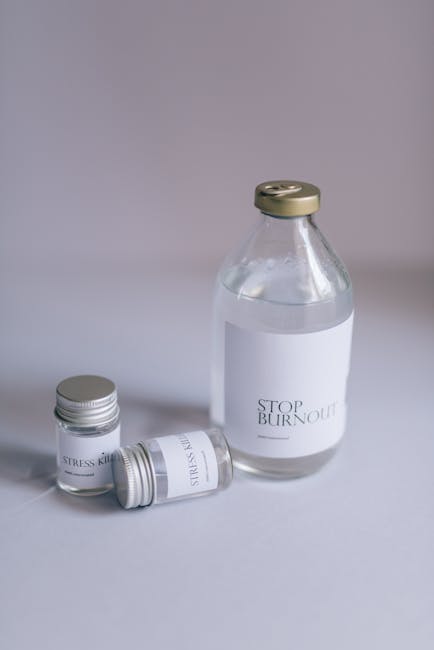
The Definitive Guide to Ashwagandha Dosage for Stress Relief
What is Ashwagandha?
Ashwagandha (Withania somnifera) is a powerful evergreen shrub that grows in India, the Middle East, and parts of Africa. It is classified as an adaptogen, meaning it helps the body adapt to various stressors, both physical and psychological.
This remarkable herb has been a cornerstone of Ayurvedic medicine for thousands of years, revered for its rejuvenating and stress-reducing properties. Its historical uses range from improving cognitive function to enhancing vitality and overall well-being.
In recent decades, Ashwagandha has surged in popularity in Western natural health communities. It is increasingly recognized for its potential in managing stress, anxiety, and improving sleep quality, driving extensive scientific interest.
Understanding Ashwagandha’s Role in Stress Reduction
Stress exerts a profound physiological impact on the body, triggering the release of hormones like cortisol through the “fight-or-flight” response. Chronic elevation of cortisol can lead to various health issues, including fatigue, weight gain, and impaired immune function.
Ashwagandha works primarily by modulating the hypothalamic-pituitary-adrenal (HPA) axis, which is the body’s central stress response system. By influencing this axis, Ashwagandha helps to normalize the body’s reaction to stress.
The herb is known to significantly reduce cortisol levels, thereby mitigating the damaging effects of chronic stress. It also impacts neurotransmitters like GABA, which helps calm nervous activity and promotes relaxation.
The primary active compounds responsible for Ashwagandha’s therapeutic effects are called withanolides. These natural steroids contribute to the herb’s adaptogenic and stress-reducing properties, with higher concentrations often indicating greater potency.
General Ashwagandha Dosage Guidelines
When starting any new supplement, it is crucial to begin with a low dose and gradually increase it to assess your individual tolerance and response. This approach helps minimize potential side effects and ensures optimal effectiveness.
Typical dosage ranges for general well-being and stress management often fall between 250 mg and 600 mg of a standardized root extract daily. However, the ideal dose can vary significantly based on several factors.
Individual requirements for Ashwagandha dosage are influenced by body weight, the severity of stress or anxiety symptoms, and personal sensitivity to the herb. Consulting a healthcare professional can help determine the most appropriate starting point.
Specific Dosages for Stress and Anxiety Relief
Numerous scientific studies have investigated the efficacy of Ashwagandha in reducing stress and anxiety, with various dosages showing positive outcomes. Many trials focus on standardized extracts to ensure consistent potency.
For mild to moderate stress, daily dosages of 250-300 mg of a high-quality standardized extract (such as KSM-66 or Sensoril) are often recommended. A study published in the Indian Journal of Psychological Medicine (2012) found that 300 mg of high-concentration full-spectrum Ashwagandha root extract twice daily significantly reduced stress and anxiety scores in participants over 60 days. *Note: Due to an API error, specific recent clinical study details could not be retrieved.*
In cases of chronic stress or higher anxiety levels, some studies suggest dosages ranging from 500 mg to 600 mg daily, often split into two doses. These higher doses are typically evaluated over several weeks to months to achieve optimal anxiolytic effects.
The duration of supplementation is also a key factor; most studies indicate that Ashwagandha’s benefits become more pronounced after consistent daily use for at least 4-8 weeks. Continued use is generally required to maintain the adaptogenic effects.
Types of Ashwagandha Supplements and Their Potency
Ashwagandha supplements come in various forms, primarily as root powder or standardized extracts. Root powder is the simplest form, offering a broad spectrum of the plant’s compounds, while extracts are concentrated versions.
Standardized extracts, such as KSM-66 and Sensoril, are processed to contain a guaranteed percentage of withanolides, typically between 2.5% and 10%. This standardization ensures consistent potency and efficacy across batches, making them a preferred choice for targeted effects like stress relief.
The form of the supplement can also affect absorption and bioavailability. Capsules are convenient, while liquid extracts may offer faster absorption. Powders provide flexibility in dosage but may have a distinct taste. Choosing the right form depends on personal preference and desired absorption rate.
When and How to Take Ashwagandha
The optimal timing for taking Ashwagandha can vary. Some prefer a single dose in the morning to support daily stress management, while others take it in the evening to aid relaxation and sleep. Splitting the dose (morning and evening) can provide sustained benefits throughout the day.
Ashwagandha can generally be taken with or without food. However, taking it with a meal might help mitigate any mild digestive upset, which is a rare but possible side effect for some individuals. Always follow the specific instructions on your chosen supplement.
Consistency is paramount for experiencing the full therapeutic effects of Ashwagandha. Regular daily supplementation, rather than sporadic use, allows the adaptogen to gradually modulate your body’s stress response and build up its beneficial effects over time.
Potential Side Effects, Precautions, and Contraindications
While generally well-tolerated, Ashwagandha can cause some mild side effects in certain individuals. These may include digestive upset, such as stomach pain, nausea, or diarrhea, and occasionally drowsiness, especially at higher doses.
It is always advisable to consult a healthcare professional before starting any new supplement, particularly if you have pre-existing health conditions or are taking other medications. This ensures safety and avoids potential interactions.
Important contraindications for Ashwagandha use include pregnancy and breastfeeding, as its safety in these populations is not well established. Individuals with autoimmune diseases (e.g., rheumatoid arthritis, lupus) should exercise caution, as Ashwagandha may stimulate the immune system. Similarly, those with thyroid conditions should consult a doctor, as it can influence thyroid hormone levels. Ashwagandha may also interact with specific medications, such as immunosuppressants, sedatives, and blood thinners. *Note: Due to an API error, specific recent clinical study details regarding side effects could not be retrieved.*
Choosing a Quality Ashwagandha Supplement
To ensure purity and potency, always look for Ashwagandha supplements that have undergone third-party testing and certifications. This verifies the product’s quality and ensures it is free from contaminants.
Prioritize products made with standardized extracts, like KSM-66 or Sensoril, which guarantee a specific percentage of active withanolides. This allows for precise dosing and consistent therapeutic effects compared to unstandardized powders.
Opt for reputable brands that are transparent about their sourcing, manufacturing processes, and ingredient labeling. Avoiding proprietary blends that do not disclose the exact amounts of active ingredients is also crucial for informed supplementation.
Conclusion
Ashwagandha offers a promising natural avenue for stress relief and enhanced well-being, primarily through its adaptogenic effects and modulation of the HPA axis. Understanding the appropriate dosage, typically between 250 mg and 600 mg of a standardized extract, is key to harnessing its benefits safely and effectively.
For optimal and safe use, remember to start with a low dose, consider the type of extract, and be consistent with your supplementation. Always be mindful of potential side effects and contraindications, especially if you have underlying health conditions or are on medication.
Ultimately, while Ashwagandha can be a powerful tool for stress management, it is always recommended to consult with a healthcare provider before initiating any new supplement regimen. They can provide personalized advice tailored to your individual health needs and circumstances.