Feeling overwhelmed by daily pressures? Ashwagandha, a powerful adaptogenic herb, offers a natural solution to help your body manage stress more effectively. By balancing your physiological response to stressors, it can significantly reduce feelings of anxiety and promote a sense of calm. This guide delves into the science behind Ashwagandha, recommended dosages, and how to safely integrate it into your wellness routine.
What is Ashwagandha?
Ashwagandha, scientifically known as Withania somnifera, is a revered herb in Ayurvedic medicine with a history spanning thousands of years. It’s often called “Indian Ginseng” or “Winter Cherry” due to its rejuvenating properties.
As an adaptogen, Ashwagandha helps the body adapt to various stressors, both physical and psychological. It works by normalizing physiological functions that have been disrupted by stress, thereby promoting overall balance and resilience.
Ashwagandha and Stress Relief: The Science
Ashwagandha’s primary mechanism for stress relief involves modulating the hypothalamic-pituitary-adrenal (HPA) axis, which controls the body’s stress response. It helps to lower elevated cortisol levels, a key stress hormone, leading to reduced feelings of anxiety and improved well-being.
The herb’s active compounds, called withanolides, are believed to be responsible for most of its therapeutic effects. These compounds exhibit anti-inflammatory and antioxidant properties that further support the body’s ability to cope with stress.
According to a randomized, double-blind, placebo-controlled study published in the Indian Journal of Psychological Medicine (2012), individuals taking high-concentration Ashwagandha root extract experienced a significant reduction in stress and anxiety levels compared to the placebo group, with a notable decrease in serum cortisol. Furthermore, a meta-analysis published in Phytotherapy Research (2021) confirmed Ashwagandha’s efficacy in reducing stress and anxiety symptoms across multiple clinical trials, highlighting its potential as a natural anxiolytic.
Recommended Ashwagandha Dosages for Stress Relief
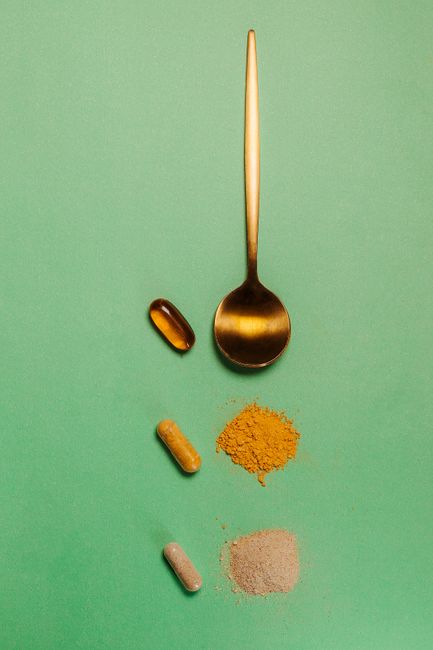
Optimal Ashwagandha dosage can vary based on the product’s concentration and the individual’s needs, but general guidelines exist. For standardized extracts, which typically contain 1.5% to 5% withanolides, a common dose ranges from 300 to 600 mg per day.
When using raw Ashwagandha root powder, higher doses of 1 to 6 grams daily are often recommended. It is always advisable to start with the lowest effective dose and gradually increase it, observing how your body responds.
How to Take Ashwagandha
Ashwagandha can be taken at various times throughout the day, depending on your goals. Many people prefer to take it in the morning to support daily stress resilience, while others find an evening dose beneficial for promoting restful sleep.
Some individuals prefer to split their daily dose, taking half in the morning and half in the evening for sustained effects. Ashwagandha can be taken with or without food, though taking it with a meal might reduce potential digestive discomfort in sensitive individuals. Consistent daily use for several weeks or months is often necessary to experience its full adaptogenic benefits.
Potential Benefits Beyond Stress Relief
While primarily known for stress reduction, Ashwagandha offers a spectrum of other potential health benefits. These include supporting improved sleep quality, enhancing mood, and even boosting cognitive function suchabilities like memory and focus.
Emerging research also suggests its role in improving physical performance, increasing muscle strength, and supporting reproductive health. However, it’s crucial to remember that its most well-established benefit remains its efficacy in managing stress and anxiety.
Potential Side Effects and Precautions
Ashwagandha is generally well-tolerated, but some individuals may experience mild side effects, especially at higher doses. These can include digestive upset, diarrhea, nausea, or drowsiness. More serious side effects are rare but have been reported.
Certain groups should exercise caution or avoid Ashwagandha altogether. This includes pregnant or nursing women, individuals with autoimmune diseases (e.g., lupus, rheumatoid arthritis), and those with thyroid conditions, as it may affect thyroid hormone levels. If you are taking any medications, especially for diabetes, blood pressure, or immunosuppressants, always consult a healthcare professional before starting Ashwagandha to prevent potential interactions.
Conclusion
Ashwagandha stands out as a powerful adaptogenic herb for those seeking natural support in managing stress and anxiety. By harmonizing the body’s stress response, it offers a gentle yet effective path towards greater calm and well-being.
Remember that proper dosage, consistent use, and consulting a healthcare professional are crucial steps to safely and effectively integrate Ashwagandha into your holistic stress management plan. Embracing this ancient remedy can be a valuable addition to a balanced lifestyle.