As men age, declining testosterone levels can lead to a host of unwelcome issues, from reduced energy and libido to decreased muscle mass and mood disturbances. While this natural decline can be frustrating, natural testosterone boosters offer a potential solution by supporting the body’s own hormone production, helping to mitigate these effects. This guide explores the science behind common ingredients and lifestyle strategies to help you navigate your options safely and effectively.
What Are Natural Testosterone Boosters?
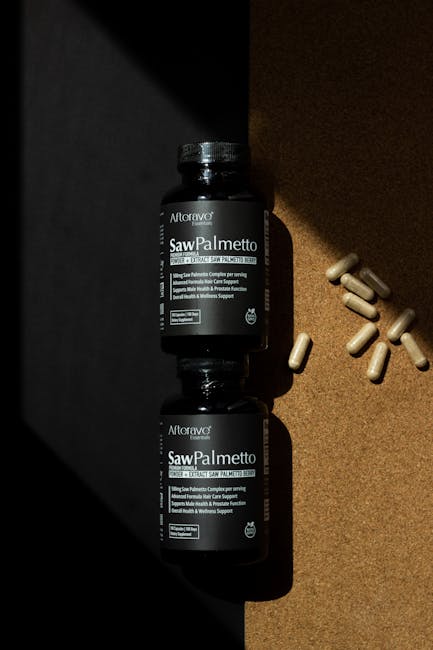
Natural testosterone boosters are dietary supplements designed to support the body’s innate ability to produce testosterone, rather than directly supplying the hormone. They typically contain a blend of vitamins, minerals, and herbal extracts believed to influence hormonal pathways. These supplements aim to optimize existing physiological functions, promoting healthy testosterone levels.
It’s crucial to understand that these natural boosters differ significantly from prescription testosterone replacement therapy (TRT). TRT involves directly introducing synthetic testosterone into the body and is typically prescribed by a doctor for clinically diagnosed low testosterone. Natural boosters, on the other hand, are over-the-counter options focusing on enhancing endogenous production, often with goals like boosting energy, improving libido, and supporting muscle mass.
Key Ingredients Found in Natural Testosterone Boosters
Ashwagandha
Ashwagandha (Withania somnifera) is an adaptogenic herb commonly used in Ayurvedic medicine, known for its stress-reducing properties. Several studies suggest it may also influence testosterone levels.
- According to a 2019 study published in the National Library of Medicine, overweight men who consumed ashwagandha saw their testosterone levels increase by an average of 14.7%. This increase was accompanied by improvements in energy levels, mood, and overall well-being.
- Another study in men aged 40 to 70 showed that ashwagandha extract increased testosterone by about 15% and dehydroepiandrosterone (DHEA), a precursor hormone, by 18%. This suggests its potential role in hormonal balance, though consistent, ongoing intake may be required to sustain changes.
Fenugreek
Fenugreek (Trigonella foenum-graecum) is a popular herb used in cooking and traditional medicine, often included in testosterone-boosting formulations. Its potential benefits are often attributed to compounds called furostanolic saponins.
- A 12-week study involving 50 men demonstrated significant improvements in testosterone levels, with increases of up to 46% in 90% of participants who supplemented with 500mg of fenugreek daily, specifically containing concentrated protodioscin. This study also noted improvements in mood, energy, libido, and sperm count.
- However, some research on fenugreek has yielded mixed results, indicating a need for further comprehensive studies to confirm its efficacy across all populations. The strength of its effect can vary based on extract standardization and individual factors.
Boron
Boron is a trace mineral that plays a role in various bodily functions, including bone health and hormone metabolism. It’s often included in testosterone boosters due to its purported effects on free testosterone and estrogen.
- A study by Naghii et al. of healthy males found that after just one week of supplementing with 6 mg/day of boron, participants experienced a significant increase in free testosterone, rising from 11.83 pg/mL to 15.18 pg/mL. The study also observed significant decreases in estradiol (estrogen).
- Despite these findings, research on boron and testosterone is limited, often involving small sample sizes. Many claims require more robust, larger-scale human trials to be conclusively proven.
Shilajit
Shilajit is a sticky substance found primarily in the rocks of the Himalayas, formed over centuries by the decomposition of plant matter. It’s rich in minerals and fulvic acid and has been used in Ayurvedic medicine for centuries.
- One 2015 study examining the effect of shilajit on middle-aged men found that daily supplementation (25 mg twice a day) for 90 days increased free testosterone compared to a placebo. However, this study was small and funded by a manufacturer, suggesting a need for independent replication.
- Concerns about heavy metal contamination exist with shilajit, emphasizing the importance of sourcing purified and lab-tested products. The overall evidence for its testosterone-boosting effects in healthy men remains modest and requires more extensive, unbiased research.
Tongkat Ali (Eurycoma longifolia)
Tongkat Ali, also known as Eurycoma longifolia, is a shrub native to Southeast Asia, traditionally used for its aphrodisiac and energy-boosting properties. It has gained popularity as a natural testosterone enhancer.
- Clinical studies indicate that Tongkat Ali can increase testosterone levels, particularly in older men with low testosterone. A meta-analysis reported that it is effective for individuals with clinically low testosterone, with recommended dosages often ranging from 100 to 200 mg daily.
- For instance, a study published in Food and Nutrition Research (2021) found that Tongkat Ali supplementation raised testosterone and improved muscle strength in older men. It also improved symptoms of aging and fatigue.
It is important to note that many supplements contain proprietary blends, which list ingredients without disclosing their specific amounts. This lack of transparency can make it difficult to assess efficacy and potential risks. Always prioritize products with transparent labeling.
Do Natural Testosterone Boosters Actually Work?
The efficacy of natural testosterone boosters is a complex topic with varying scientific evidence. While some ingredients show promising results in specific populations or under certain conditions, a blanket claim of effectiveness for all products is often unwarranted. Many commercially available boosters lack significant evidence to support their claims.
A review of common ingredients by researchers at the Keck School of Medicine of USC found that less than 25% of testosterone-boosting supplements had scientific data to support their claims, despite 90% claiming to boost testosterone. Individual results can be highly influenced by factors such as age, lifestyle, existing health conditions, and baseline testosterone levels. It’s crucial to maintain realistic expectations and understand that these supplements are not a magic bullet.
Potential Side Effects and Safety Considerations
While often marketed as natural and safe, testosterone boosters are not without potential side effects, and their safety profiles can vary significantly depending on the ingredients. It is paramount to consult a healthcare professional before starting any new supplement, especially if you have pre-existing medical conditions or are taking other medications.
Commonly reported side effects for various ingredients can include:
- Digestive upset: Nausea, diarrhea, or stomach discomfort.
- Sleep disturbances: Insomnia or altered sleep patterns, particularly with stimulating ingredients.
- Hormonal imbalances: Although intended to balance hormones, some ingredients could inadvertently disrupt delicate hormonal ecosystems in certain individuals.
- Allergic reactions: Skin rashes, itching, or more severe allergic responses.
Additionally, some supplements may interact with prescription medications, such as blood thinners, blood pressure medication, or hormonal therapies. Always discuss your supplement regimen with your doctor to avoid adverse interactions and ensure safety.
Natural Ways to Support Healthy Testosterone Levels
Beyond supplements, several lifestyle factors play a critical role in maintaining healthy testosterone levels. Adopting a holistic approach to wellness can significantly support hormone balance and overall health.
Dietary Factors
- Healthy Fats: Include sources of monounsaturated and polyunsaturated fats like avocados, nuts, olive oil, and fatty fish. These are essential for hormone production.
- Zinc-Rich Foods: Oysters, red meat, poultry, beans, and nuts are good sources of zinc, a mineral vital for testosterone synthesis.
- Vitamin D: Exposure to sunlight helps your body produce Vitamin D. Dietary sources include fatty fish, fortified milk, and eggs. Vitamin D deficiency is often linked to lower testosterone.
- Balanced Macronutrients: Ensure adequate protein intake for muscle repair and growth, and complex carbohydrates for sustained energy.
Exercise
- Strength Training: Lifting weights and resistance exercises are highly effective at stimulating testosterone production. Focus on compound movements that engage multiple muscle groups.
- High-Intensity Interval Training (HIIT): Short bursts of intense exercise followed by brief recovery periods can also positively impact testosterone levels.
- Avoid Overtraining: While exercise is beneficial, excessive or prolonged endurance training without adequate recovery can sometimes lead to decreased testosterone.
Sleep Quality and Stress Management
- Adequate Sleep: Aim for 7-9 hours of quality sleep per night. Poor sleep significantly impacts hormone regulation, including testosterone.
- Stress Reduction: Chronic stress elevates cortisol levels, which can suppress testosterone production. Incorporate stress-reducing activities like meditation, yoga, or spending time in nature.
These natural strategies are foundational for hormone health and should be prioritized alongside any consideration of supplements. A balanced diet, regular exercise, sufficient sleep, and effective stress management create an optimal environment for your body to function at its best.
Conclusion
Understanding natural testosterone boosters involves navigating a landscape of promising ingredients, varied scientific evidence, and individual responses. While compounds like ashwagandha, fenugreek, and Tongkat Ali show some scientific backing for supporting testosterone, it’s clear that results are not universal, and rigorous, independent research is still evolving.
Ultimately, a holistic approach combining a nutrient-rich diet, consistent exercise, adequate sleep, and effective stress management forms the most reliable foundation for healthy testosterone levels and overall male vitality. Always consult with a healthcare professional before starting any new supplement regimen to ensure it aligns with your individual health needs and to avoid potential risks or interactions.