Suffering from persistent aches and discomfort can severely impact your daily life, often stemming from underlying inflammation. Chronic pain, a widespread issue, is frequently exacerbated by dietary choices that fuel inflammatory responses in the body.
Fortunately, adopting an anti-inflammatory diet offers a powerful, natural solution to soothe this internal fire, helping to alleviate pain and improve overall well-being. By focusing on nutrient-rich foods and avoiding inflammatory triggers, you can significantly reduce discomfort and reclaim your quality of life.
Understanding Chronic Pain and Inflammation
Chronic pain is typically defined as any pain that lasts for more than three to six months. Unlike acute pain, which signals immediate injury, chronic pain often persists long after the initial cause has resolved or may even exist without a clear injury.
The silent and often overlooked link to this persistent discomfort is inflammation. This natural bodily process, when it becomes chronic, can directly affect nerve sensitivity and contribute to a state known as central sensitization, making the nervous system overreact to stimuli.
The Science Behind Anti-Inflammatory Eating
Certain foods possess compounds that can either promote or quell inflammation within the body. An anti-inflammatory diet works by supplying your body with these beneficial compounds while minimizing those that trigger inflammatory pathways.
Key components like antioxidants, Omega-3 fatty acids, polyphenols, and fiber are crucial in this process. These nutrients help to modulate immune responses and protect cells from damage, thus reducing systemic inflammation.
According to Southeast Pain & Spine Care (2025), if inflammation remains unresolved, it can directly affect nerves, leading to increased sensitivity and central sensitization, a hallmark of many chronic pain conditions. Furthermore, research published in PMC (2023) highlights that inflammation in both the peripheral and central nervous systems is a major factor in the development of chronic pain.
Anti-Inflammatory Powerhouses: Foods to Embrace
Incorporating a wide variety of specific foods into your daily meals can significantly bolster your body’s anti-inflammatory defenses. These foods are packed with vital nutrients that actively work to reduce inflammation.
Focus on consuming a rainbow of plant-based options, along with healthy fats and lean proteins. This approach ensures a broad spectrum of anti-inflammatory benefits.
Fruits
- Berries: Strawberries, blueberries, raspberries, and blackberries are rich in antioxidants called anthocyanins.
- Cherries: Known for their potent anti-inflammatory properties, especially tart cherries.
- Oranges, Apples, & Other Colorful Options: Provide a diverse array of vitamins, minerals, and antioxidants.
Vegetables
- Leafy Greens: Spinach, kale, collard greens are excellent sources of vitamins, minerals, and phytochemicals.
- Broccoli, Bell Peppers, Tomatoes: These vegetables, along with other cruciferous options, offer robust antioxidant and anti-inflammatory compounds.
Healthy Fats
- Extra Virgin Olive Oil: A cornerstone of the Mediterranean diet, rich in monounsaturated fats and polyphenols.
- Avocados: Provide healthy monounsaturated fats, fiber, and potassium.
- Nuts (Almonds, Walnuts) & Seeds (Flaxseeds, Chia Seeds): Offer Omega-3 fatty acids and other beneficial nutrients.
Fatty Fish
- Salmon, Mackerel, Sardines: Excellent sources of Omega-3 fatty acids, particularly EPA and DHA, which are crucial for reducing inflammation. Aim for two servings per week.
Whole Grains & Legumes
- Whole Grains (Oats, Quinoa, Brown Rice): Provide fiber, which supports gut health and can indirectly reduce inflammation.
- Legumes (Beans, Lentils): Rich in fiber, plant-based protein, and various micronutrients that contribute to an anti-inflammatory effect.
Spices & Herbs
- Turmeric: Contains curcumin, a powerful anti-inflammatory compound.
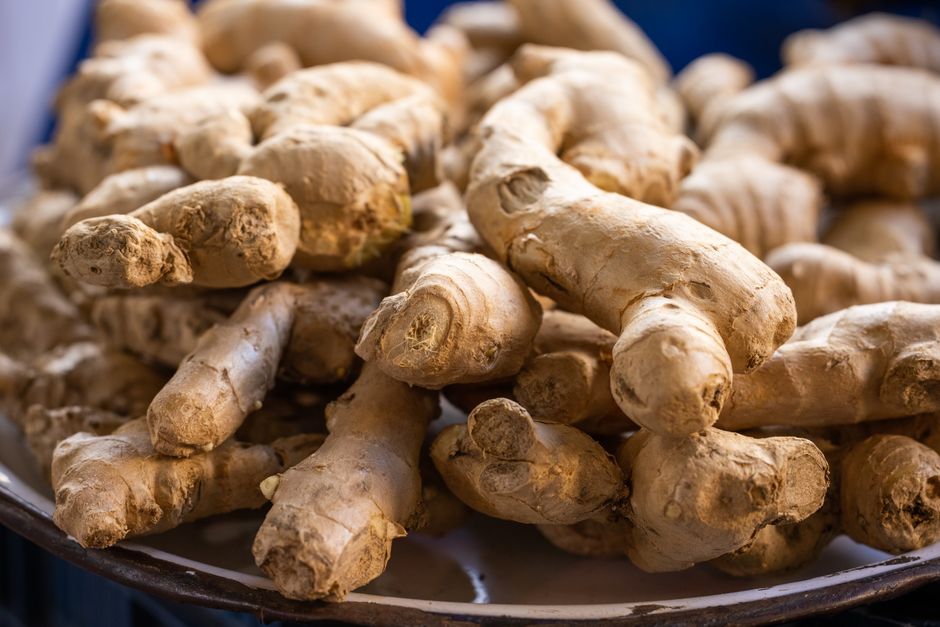
- Ginger: Known for its anti-inflammatory and pain-relieving properties.
- Garlic & Cinnamon: Also possess significant anti-inflammatory benefits.
Green Tea
Green tea is packed with polyphenols, particularly catechins, which have strong antioxidant and anti-inflammatory effects. Regularly consuming green tea can contribute to overall inflammation reduction.
Foods to Limit or Avoid: Inflammatory Triggers
Just as some foods fight inflammation, others can actively promote it, worsening chronic pain symptoms. Reducing or eliminating these items from your diet is as important as adding beneficial foods.
These pro-inflammatory foods often contribute to imbalances in gut bacteria and can trigger systemic inflammatory responses. Making conscious choices to limit them is key to managing chronic pain effectively.
- Processed Foods: Items like sugary drinks, fast food, and packaged snacks are often high in unhealthy fats, sugar, and artificial ingredients that fuel inflammation.
- Refined Carbohydrates: White bread, pastries, and pasta can cause rapid spikes in blood sugar, leading to increased inflammation.
- Unhealthy Fats: Trans fats (often found in hydrogenated oils and some processed snacks) and excessive saturated fats (common in red meat and full-fat dairy) are known inflammatory culprits.
- Processed Meats: Bacon, sausages, and other cured meats have been linked to increased inflammation and chronic disease risk.
- Excessive Alcohol Consumption: Can disrupt gut health and promote systemic inflammation.
Popular Anti-Inflammatory Dietary Patterns
Several well-researched dietary patterns naturally align with anti-inflammatory principles. These approaches provide structured frameworks for incorporating beneficial foods while limiting inflammatory ones.
Adopting one of these established patterns can simplify meal planning and offer a holistic approach to managing chronic pain through diet.
The Mediterranean Diet
Widely regarded as one of the healthiest eating patterns, the Mediterranean diet emphasizes plant-based foods, healthy fats, and lean proteins. It is inherently anti-inflammatory due to its focus on fresh produce, whole grains, nuts, seeds, olive oil, and fatty fish.
Numerous studies support its benefits for chronic pain. For instance, a 2021 study noted that adhering to the Mediterranean diet was associated with improved pain characteristics in older adults. Moreover, according to fxregencenter.com, consistent adherence to the Mediterranean diet has been shown in clinical studies to reduce systemic inflammation, decreasing biomarkers like C-reactive protein (CRP) and interleukins (IL-6, IL-1β).
DASH Diet
While primarily designed to lower blood pressure, the Dietary Approaches to Stop Hypertension (DASH) diet also shares many anti-inflammatory characteristics. It encourages fruits, vegetables, whole grains, lean protein, and low-fat dairy, while limiting saturated fat, cholesterol, and sodium.
Practical Tips for Adopting an Anti-Inflammatory Lifestyle
Making significant dietary changes can seem daunting, but even small, consistent steps can yield considerable benefits. The key is to approach it gradually and sustainably.
Incorporating these practical strategies will help you integrate anti-inflammatory eating into your daily routine effectively, making it a lasting lifestyle change rather than a temporary diet.
- Start Small: Begin by making one or two simple swaps each week, like replacing white bread with whole-grain options or adding a handful of berries to your breakfast.
- Meal Planning and Preparation: Dedicate time to plan your meals and prepare ingredients in advance. This makes healthy eating easier during busy weekdays.
- Reading Food Labels Effectively: Learn to identify hidden sugars, unhealthy fats, and artificial ingredients in packaged foods. Look for whole, unprocessed options.
- Budget-Friendly Tips: Focus on seasonal produce, buy frozen fruits and vegetables, and purchase staples like beans and whole grains in bulk to save money.
- Hydration: Drink plenty of water throughout the day. Proper hydration is essential for overall health and can help support bodily functions, including inflammation regulation.
Beyond Diet: Other Factors Influencing Chronic Pain
While diet plays a crucial role in managing chronic pain, it’s part of a larger picture of holistic well-being. Other lifestyle factors significantly impact your body’s inflammatory response and pain perception.
Addressing these additional areas alongside your dietary changes can provide a more comprehensive and effective approach to chronic pain relief. A multi-faceted strategy often yields the best results.
- Stress Management Techniques: Chronic stress can exacerbate inflammation. Practices like meditation, yoga, deep breathing, and mindfulness can help.
- Importance of Regular Physical Activity: Moderate exercise helps reduce inflammation, strengthens muscles, and improves circulation. Consult your doctor before starting any new regimen.
- Adequate Sleep: Poor sleep quality can increase inflammation and pain sensitivity. Aim for 7-9 hours of quality sleep per night.
Conclusion: Empowering Yourself with Food
Adopting an anti-inflammatory diet is a proactive and empowering step towards managing and reducing chronic pain. By making informed choices about the foods you eat, you can directly influence your body’s inflammatory processes and foster a healthier internal environment.
Remember that sustained relief often comes from consistent effort and a holistic approach to health. We encourage you to consult with healthcare professionals or registered dietitians for personalized advice tailored to your specific health needs and conditions.