Red light therapy (RLT) offers a compelling, non-invasive solution for those struggling with common signs of aging and hair loss. Many individuals face concerns like diminishing skin elasticity and thinning hair, which can impact confidence and appearance. Fortunately, RLT harnesses specific wavelengths of light to stimulate cellular regeneration, effectively reducing wrinkles and promoting healthier hair growth.
The Ultimate Guide to Red Light Therapy for Skin Rejuvenation and Hair Growth
I. Introduction to Red Light Therapy
Red Light Therapy, often abbreviated as RLT, is a therapeutic technique that uses low-level red light wavelengths to treat various skin and health conditions. This non-invasive method works by exposing the body to red and near-infrared light, which penetrates the skin and is absorbed by the cells.
At a cellular level, this absorbed light energy stimulates mitochondria, the powerhouses of our cells, leading to increased ATP (adenosine triphosphate) production. This enhanced cellular energy can drive numerous biological processes, offering a range of therapeutic benefits across the body. Historically, RLT traces its roots back to NASA research in the 1990s, where it was explored for plant growth in space and later found applications in wound healing for astronauts, evolving significantly into the modern wellness tool we know today.
II. Red Light Therapy for Skin Aging and Rejuvenation
Red Light Therapy is increasingly recognized for its profound effects on skin health, offering a natural approach to combat the visible signs of aging. It targets cellular functions crucial for maintaining youthful and vibrant skin. This section delves into how RLT works to rejuvenate the skin and its proven benefits.
Mechanism of Action: How RLT Impacts Cellular Function for Skin Health
RLT deeply penetrates the skin layers, reaching fibroblasts which are cells responsible for producing collagen and elastin. By energizing these cells, RLT encourages the natural synthesis of these vital proteins, which are essential for skin’s structure and elasticity. This stimulation directly addresses the age-related decline in collagen and elastin production.
Furthermore, red light therapy significantly improves blood circulation to skin cells, ensuring a richer supply of oxygen and nutrients. It also plays a key role in reducing inflammation and mitigating oxidative stress within the skin. These combined actions lead to a healthier cellular environment, promoting repair and regeneration.
- Stimulation of collagen and elastin production: RLT boosts fibroblast activity, leading to increased synthesis of these structural proteins.
- Improved blood circulation to skin cells: Enhanced blood flow delivers more oxygen and nutrients, vital for cell repair and rejuvenation.
- Reduction of inflammation and oxidative stress: RLT helps calm inflammatory responses and combats free radical damage, protecting skin cells.
Benefits for Skin
The cumulative effects of RLT on cellular function translate into a variety of tangible benefits for the skin. Users often report a noticeable improvement in skin texture and a reduction in the appearance of fine lines and wrinkles. RLT helps to restore the skin’s youthful glow and firmness.
Beyond anti-aging, RLT is effective in fading sun damage, age spots, and hyperpigmentation, contributing to a more even skin tone. It also accelerates wound healing and can reduce the visibility of scars. There is growing evidence to suggest potential benefits for managing acne and other dermatological conditions due to its anti-inflammatory properties.
- Reducing the appearance of fine lines and wrinkles.
- Improving skin tone, texture, and elasticity for a more youthful look.
- Fading sun damage, age spots, and hyperpigmentation, promoting an even complexion.
- Accelerating wound healing and reducing the visibility of scars.
- Potential benefits for acne and other dermatological conditions due to its anti-inflammatory effects.
Scientific Evidence: Overview of Studies and Research Supporting RLT for Skin Anti-Aging
Clinical research consistently supports the efficacy of red light therapy for skin rejuvenation. Studies have demonstrated its ability to enhance collagen density and improve overall skin appearance. For instance, a review published in Seminars in Cutaneous Medicine and Surgery (2020) highlighted that low-level light therapy, including red light, effectively stimulates collagen production and reduces wrinkles with minimal side effects.
Another significant finding comes from a study in the Journal of Cosmetic and Laser Therapy (2014), which reported that participants treated with red light therapy showed significant improvements in skin complexion, skin tone, and collagen density. These findings underscore RLT’s role as a promising treatment for various dermatological concerns, including anti-aging and wound healing.
III. Red Light Therapy for Hair Growth
Hair loss can be a source of significant distress for many, affecting both men and women of all ages. Red Light Therapy presents a compelling non-pharmacological option for stimulating hair growth and improving scalp health. This section explores how RLT addresses the complex problem of hair thinning and loss.
Understanding Hair Loss: Common Causes and Types of Hair Loss
Hair loss, medically known as alopecia, can stem from a variety of factors, including genetics, hormonal imbalances, stress, nutritional deficiencies, and certain medical conditions. One of the most common types is androgenetic alopecia, or pattern baldness, which affects millions globally. This condition is characterized by a gradual thinning of hair, particularly on the crown and temples.
Other forms of hair loss include telogen effluvium, often triggered by significant stress or trauma, and alopecia areata, an autoimmune condition. Understanding the specific type and cause of hair loss is crucial for determining the most effective treatment strategy. Red light therapy offers a broad-spectrum approach that can benefit various forms of hair thinning.
How RLT Stimulates Hair Follicles
Red light therapy works by delivering photons directly to the scalp, which are then absorbed by the mitochondria in hair follicle cells. This absorption leads to a surge in cellular energy, primarily in the form of ATP, which is vital for stimulating dormant follicles and extending the anagen (growth) phase of the hair cycle. The increased energy revitalizes follicles that may have become miniaturized or inactive.
Furthermore, RLT enhances blood flow to the scalp, ensuring that hair follicles receive an optimal supply of oxygen and essential nutrients necessary for healthy hair growth. It also helps to reduce inflammation around hair follicles, which can often contribute to hair loss. By creating a healthier scalp environment, RLT supports stronger, thicker hair growth and minimizes shedding.
- Increasing cellular energy (ATP) in hair follicle cells, which revitalizes dormant follicles.
- Enhancing blood flow to the scalp, delivering crucial nutrients and oxygen to the hair follicles.
- Reducing inflammation around hair follicles, creating a more favorable environment for growth.
Expected Results: Promoting New Hair Growth, Thickening Existing Hair, and Reducing Hair Shedding
Consistent use of red light therapy can lead to several noticeable improvements in hair health. Many users report the emergence of new hair growth, particularly in areas where thinning was prominent. The therapy also contributes to the thickening of existing hair strands, making the overall hair appear denser and fuller.
Beyond promoting new growth and thickness, RLT is effective in reducing excessive hair shedding. This reduction in hair loss, combined with enhanced growth, helps to restore a healthier and more voluminous head of hair. Results typically become visible after several weeks to months of regular treatment, emphasizing the importance of consistency.
Scientific Evidence: Review of Clinical Trials and Research on RLT for Hair Restoration
Numerous clinical trials have investigated the effectiveness of red light therapy for hair restoration, particularly for androgenetic alopecia. A meta-analysis published in the Journal of the American Academy of Dermatology (2020) concluded that low-level laser therapy (which includes red light therapy) is a safe and effective treatment for promoting hair growth in both men and women with pattern hair loss. This analysis reviewed multiple studies, consolidating evidence of significant improvements in hair density.
Another study published in Lasers in Surgery and Medicine (2014) demonstrated that RLT significantly increased hair count and thickness in participants over several weeks of treatment. These findings underscore the scientific backing for red light therapy as a viable and effective intervention for individuals experiencing hair loss, offering a promising alternative or complementary treatment option.
IV. Types of Red Light Therapy Devices and Applications
The growing popularity of red light therapy has led to a wide array of devices available for both home and professional use. Understanding the different types and their applications is crucial for selecting the most suitable option for your specific needs. These devices vary in size, power, and design, catering to different treatment areas and intensities.
At-Home Devices
At-home red light therapy devices offer convenience and cost-effectiveness, allowing individuals to incorporate RLT into their daily routines. These devices come in various forms, each designed for specific applications. Handheld wands and smaller panels are ideal for targeted treatment of specific areas, such as fine lines around the eyes or small patches of thinning hair.
Red light therapy masks are specifically designed for facial rejuvenation, ensuring comprehensive coverage of the skin. For scalp treatment, caps and helmets are available, providing full coverage to stimulate hair follicles across the entire head. When choosing an at-home device, it’s crucial to consider factors like the wavelengths emitted (typically 630nm-670nm for red light and 810nm-850nm for near-infrared), power output for effective penetration, and built-in safety features like automatic shut-off timers.
- Handheld wands and panels: Ideal for targeted treatment of small areas on the face or scalp.
- Red light therapy masks: Designed for comprehensive facial skin rejuvenation.
- Caps and helmets for scalp treatment: Provide full coverage for stimulating hair growth across the entire head.
- Considerations for choosing an at-home device include specific wavelengths, power output, and safety features.
Professional Treatments
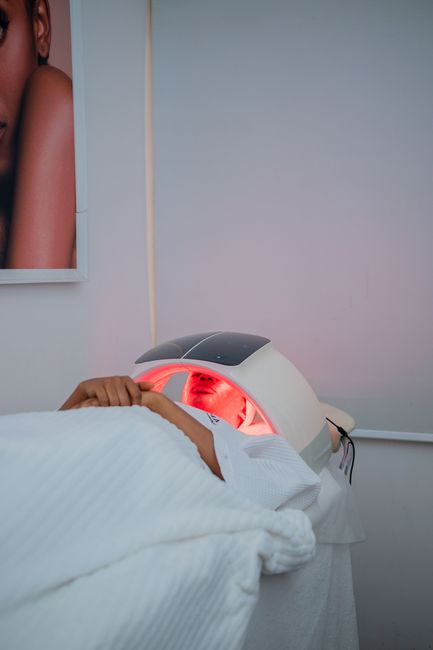
Professional RLT treatments, typically offered in clinics, spas, or dermatologists’ offices, often utilize larger, more powerful devices. These professional-grade machines can deliver higher intensities of light and cover larger body areas simultaneously, potentially leading to faster and more pronounced results. The main advantage of clinic-based RLT sessions is the guidance of trained professionals who can tailor treatments to individual needs and monitor progress.
While at-home devices are effective for consistent, maintenance treatments, professional sessions can offer a more intensive initial boost or address more severe conditions. The difference between professional and at-home devices often lies in their power output, size, and the ability to combine RLT with other clinical therapies for enhanced outcomes. Consulting with a professional can help determine the most appropriate treatment plan.
V. How to Use Red Light Therapy Safely and Effectively
To maximize the benefits of red light therapy and ensure a safe experience, it’s essential to follow recommended protocols and safety guidelines. Consistency and proper device usage are key to achieving desired results, whether you’re targeting skin rejuvenation or hair growth. Adhering to these instructions will help you integrate RLT seamlessly into your wellness routine.
Recommended Treatment Protocols: Duration, Frequency, and Consistency
For most red light therapy devices, treatment sessions typically range from 10 to 20 minutes per targeted area. The frequency of sessions is crucial for optimal results, with most protocols suggesting 3 to 5 times per week. Consistency over several weeks to months is paramount, as cellular changes and regeneration take time to manifest visibly.
It’s important to consult the specific instructions provided with your device, as parameters can vary based on the device’s power output and intended use. Establishing a regular routine, such as treating skin in the morning or scalp in the evening, can help ensure consistent application. Patience is key, as the benefits of RLT accumulate over time with sustained use.
Safety Guidelines: Eye Protection, Skin Sensitivity, and Proper Device Usage
While red light therapy is generally considered safe, certain precautions should be taken to ensure a comfortable and effective experience. Always wear appropriate eye protection, typically provided with your device, to shield your eyes from the bright light. Although red and near-infrared light are not harmful to the eyes, prolonged direct exposure can cause discomfort.
Before widespread use, test a small area of skin for sensitivity, especially if you have a history of light sensitivity or are using new skincare products. Ensure your skin is clean and dry before each session, and position the device according to the manufacturer’s recommendations. Never exceed the recommended treatment duration or frequency, as more is not necessarily better and could potentially lead to skin irritation.
- Always use eye protection during treatment sessions to prevent discomfort from bright light.
- Perform a patch test for skin sensitivity before full application, especially if you have sensitive skin.
- Follow manufacturer guidelines for proper device usage, including distance from the skin and treatment duration.
- Ensure skin is clean and dry for optimal light absorption.
Potential Side Effects: Generally Minimal, but Important Considerations
Red light therapy is known for its excellent safety profile, with side effects being generally minimal and rare. The most commonly reported mild side effects include temporary redness or tenderness in the treated area, which typically subsides shortly after the session. These reactions are usually indicative of increased blood flow and cellular activity.
Individuals with certain medical conditions, such as photosensitivity disorders or those taking photosensitizing medications, should consult a healthcare professional before starting RLT. Pregnant women or individuals with active skin infections should also seek medical advice. Overall, when used as directed, RLT is a very low-risk therapy, making it a safe option for most people.
Tips for Maximizing Results: Combining with Other Wellness Practices
To further enhance the benefits of red light therapy, consider integrating it with other complementary wellness practices. For skin health, combining RLT with a consistent skincare routine that includes gentle cleansing, moisturizing, and sun protection can amplify results. Antioxidant-rich serums, such as Vitamin C, can also work synergistically with RLT to combat free radical damage and promote collagen synthesis.
For hair growth, a holistic approach involving a balanced diet rich in hair-supporting nutrients, stress management techniques, and gentle hair care practices can significantly improve outcomes. Avoiding harsh chemical treatments and excessive heat styling can also preserve hair health. Staying hydrated and getting adequate sleep further supports overall cellular health, optimizing the environment for RLT to work its magic.
VI. Red Light Therapy in Comparison to Other Treatments
Understanding how red light therapy stands alongside other established treatments for skin aging and hair growth is crucial for making informed decisions. While various options exist, RLT often offers a less invasive and more natural alternative, or a powerful complementary therapy. This section provides a brief comparison to highlight RLT’s unique position.
Skin Aging: How RLT Compares to Topical Creams, Serums, Chemical Peels, and Other Cosmetic Procedures
Compared to topical creams and serums, red light therapy works at a deeper cellular level, stimulating collagen production from within rather than relying solely on external application. While creams can provide hydration and surface-level benefits, RLT aims for more fundamental structural changes in the skin. Chemical peels and laser treatments, while effective, are typically more invasive, involve downtime, and carry higher risks of side effects such as redness, irritation, or hyperpigmentation.
Cosmetic procedures like Botox or fillers offer immediate results but are temporary, more invasive, and costly, often requiring repeat injections. RLT, on the other hand, is a gentle, non-ablative therapy that can be used long-term with minimal risk. It can also complement these other treatments by promoting healing post-procedure or maintaining results. RLT offers a natural, gradual improvement in skin health, appealing to those seeking a less aggressive approach.
Hair Growth: How RLT Stacks Up Against Minoxidil, Finasteride, and Hair Transplant Procedures
For hair growth, red light therapy offers a non-pharmacological alternative to medications like Minoxidil (Rogaine) and Finasteride (Propecia). Minoxidil is a topical treatment that widens blood vessels and opens potassium channels to stimulate hair growth, while Finasteride is an oral medication that blocks the production of DHT, a hormone linked to hair loss. Both can have side effects and require continuous use to maintain results.
Hair transplant procedures are surgical and invasive, involving the relocation of hair follicles from one area to another. While offering permanent results for some, they are expensive and carry surgical risks. RLT, in contrast, is non-invasive, pain-free, and has a favorable safety profile. It can be used as a standalone treatment or in conjunction with these other therapies to enhance their effectiveness and accelerate recovery, providing a holistic approach to hair restoration without the associated drug-related side effects or surgical risks.
VII. Frequently Asked Questions (FAQs) about Red Light Therapy
Is Red Light Therapy safe for everyone?
Red light therapy is generally considered safe for most individuals due to its non-invasive nature and minimal side effects. However, pregnant women, individuals with photosensitivity disorders, or those taking photosensitizing medications should consult a healthcare professional before starting treatment. It is always wise to discuss any pre-existing health conditions with your doctor.
How long does it take to see results from RLT?
The time it takes to see results from red light therapy can vary depending on the individual, the condition being treated, and the consistency of use. For skin rejuvenation, subtle improvements in texture and tone might be noticed within 4-6 weeks, with more significant changes in wrinkles and elasticity appearing after 2-3 months. For hair growth, visible results, such as reduced shedding and new hair growth, typically require 3-6 months of consistent use. Patience and adherence to the treatment protocol are crucial for achieving optimal outcomes.
Does RLT work for all types of skin and hair loss?
Red light therapy has shown benefits across various skin types and tones, and for common forms of hair loss like androgenetic alopecia. However, its effectiveness can vary for more severe or specific dermatological conditions, or for hair loss caused by autoimmune diseases or complete follicle destruction. Consulting with a dermatologist or trichologist can help determine if RLT is appropriate for your specific condition.
Are there any long-term side effects?
Long-term side effects from red light therapy are rare and generally not a concern when devices are used as directed. The therapy is non-ionizing, meaning it does not damage DNA like UV radiation. Studies and clinical use have demonstrated its safety over extended periods, with most side effects being mild and temporary, such as slight redness. However, it’s always important to use devices according to manufacturer guidelines.
Can RLT be used in conjunction with other treatments?
Yes, red light therapy can often be safely and effectively used in conjunction with other treatments for both skin and hair. For skin, it can complement topical creams, serums, and even post-procedure recovery from more invasive treatments. For hair, it can be combined with topical medications like minoxidil or natural supplements to enhance overall results. Always consult your healthcare provider to ensure compatibility and optimize your combined treatment plan.
VIII. Conclusion
Red light therapy stands out as a powerful and versatile non-invasive solution for both skin rejuvenation and hair growth. Its ability to stimulate cellular energy, boost collagen and elastin production, improve circulation, and reduce inflammation makes it an attractive option for addressing various age-related concerns and hair loss. The scientific evidence supporting its efficacy continues to grow, cementing its place in modern wellness.
As technology advances, at-home RLT devices are becoming more accessible, allowing individuals to incorporate this beneficial therapy into their personal health and beauty regimens with ease. Whether seeking to diminish wrinkles, improve skin texture, or restore hair density, RLT offers a gentle yet effective path towards achieving these goals. Embracing red light therapy can be a significant step towards a more radiant complexion and healthier, fuller hair.