Navigating the crowded market of weight loss supplements can be incredibly confusing, leaving many struggling to discern effective solutions from marketing hype. The absence of clear guidance often leads to wasted money and potential health risks from unverified products. This comprehensive guide will equip you with the essential knowledge and tools to critically evaluate weight loss supplements, helping you make informed, safe, and effective decisions for your health journey.
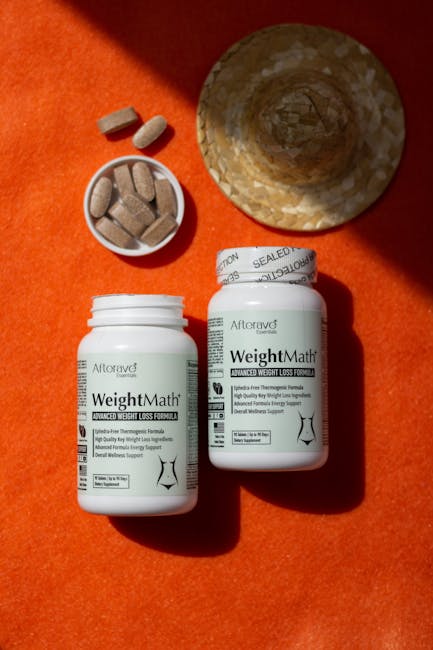
1. Introduction: Navigating the World of Weight Loss Supplements
The popularity of weight loss aids has surged, promising quick fixes and effortless results. However, this booming industry is largely unregulated, making it challenging for consumers to distinguish between legitimate support and ineffective or even harmful products.
Critical evaluation is therefore essential to protect your health and investment. This guide outlines what to look for, what to avoid, and how to approach weight loss supplements responsibly, ensuring you prioritize safety and efficacy.
2. Understanding Weight Loss Supplement Claims
Weight loss supplements frequently tout a range of benefits, from “fat burning” and “appetite suppression” to “metabolism boosting.” These claims often sound appealing, but they must be scrutinized beyond the marketing rhetoric.
Many common ingredients found in these formulas include caffeine, green tea extract, garcinia cambogia, and conjugated linoleic acid (CLA). Understanding the true science behind these ingredients, rather than just their advertised effects, is crucial for making an educated choice.
3. Key Factors to Consider When Evaluating a Supplement
Before considering any weight loss supplement, a thorough evaluation based on several key factors is paramount. This systematic approach helps you cut through the noise and identify products that are genuinely worth considering.
Ingredients Analysis
- Are the ingredients scientifically backed for weight loss? It’s crucial to seek out ingredients with robust clinical evidence supporting their efficacy. Look for studies published in reputable journals, focusing on human trials.
- Proprietary blends: what they mean and why transparency matters. Many supplements use “proprietary blends,” where ingredient amounts are not disclosed. This lack of transparency makes it impossible to know if active ingredients are present in effective doses.
- Dosage: Are the active ingredients present in effective amounts? Even if an ingredient is scientifically proven, it needs to be present in a clinically effective dose to yield benefits. Research the recommended dosages for key ingredients.
Safety and Side Effects
- Common side effects associated with weight loss ingredients. Be aware that even natural ingredients can have side effects. For instance, stimulants like caffeine can cause jitters, sleeplessness, or increased heart rate.
- Importance of consulting a healthcare professional. Always discuss new supplements with your doctor, especially if you have underlying health conditions or are taking other medications. This step is vital for personalized safety advice.
- Potential drug interactions and contraindications. Certain supplement ingredients can interact negatively with prescription drugs or be unsuitable for individuals with specific medical conditions (e.g., heart disease, high blood pressure).
Manufacturer Reputation and Transparency
- Third-party testing and certifications. Reputable manufacturers often subject their products to third-party testing for purity, potency, and contaminants. Certifications from organizations like NSF International or USP verify quality and safety.
- Manufacturing standards (GMP, FDA-registered facilities). Look for products manufactured in facilities that adhere to Good Manufacturing Practices (GMP). While the FDA doesn’t approve supplements, it regulates manufacturing standards, and FDA-registered facilities typically follow strict guidelines.
- Customer service and support. A transparent company will offer clear contact information and responsive customer service. This indicates a commitment to customer satisfaction and product integrity.
Customer Reviews and Experiences (General Considerations)
- How to interpret online reviews. While helpful, online reviews should be read with a critical eye. Look for patterns in feedback, but remember that individual results vary greatly.
- Spotting fake reviews vs. genuine feedback. Be wary of overly enthusiastic or generic reviews that lack specific details. Genuine feedback often describes both positive experiences and minor drawbacks or individual differences.
- Understanding individual variations in results. What works for one person may not work for another due to genetic differences, lifestyle, and underlying health conditions.
4. The Role of Lifestyle in Weight Management
It’s critical to understand that supplements are merely an aid and not a standalone solution for weight loss. They work best when integrated into a holistic approach that prioritizes foundational health habits.
The importance of a balanced diet, regular physical activity, and adequate sleep cannot be overstated. These pillars of wellness are far more impactful than any supplement alone and form the bedrock of sustainable weight management.
5. How to Make an Informed Decision
Making a truly informed decision about weight loss supplements involves a proactive and cautious approach. By following these steps, you can significantly reduce your risk and increase your chances of finding beneficial support.
Here’s a step-by-step guide to making an informed choice:
- Research Thoroughly: Before even considering a purchase, dedicate time to researching the ingredients, their scientific backing (or lack thereof), and potential side effects. Look for reputable sources like academic journals and established health organizations.
- Consult a Healthcare Professional: Always discuss any potential supplements with your doctor or a registered dietitian. They can provide personalized advice based on your health history, current medications, and specific weight loss goals.
- Scrutinize Claims and Marketing: Be skeptical of products promising rapid, effortless, or “miraculous” weight loss. These are often red flags for ineffective or even dangerous products.
- Check for Third-Party Verification: Prioritize supplements that have undergone third-party testing for purity, potency, and contaminants. This adds an extra layer of assurance regarding product quality.
- Read Reviews Critically: While customer reviews can offer insights, learn to differentiate between genuine feedback and potentially manipulated testimonials. Focus on detailed, balanced reviews rather than overly hyperbolic ones.
- Prioritize Health and Safety: Remember that your health and safety are paramount. If a supplement causes adverse reactions or seems too good to be true, it likely is. Discontinue use and consult a professional immediately.
6. Conclusion: Empowering Your Weight Loss Journey
Successfully navigating the world of weight loss supplements requires diligence, critical thinking, and a commitment to evidence-based decisions. By focusing on ingredient transparency, scientific backing, and reputable manufacturers, you empower yourself to make safer and more effective choices.
Remember, true wellness and sustainable weight management stem from a holistic approach that integrates a balanced diet, regular exercise, and adequate rest. Supplements should only ever play a supportive role in this broader, health-first strategy.