The Lion’s Mane mushroom, Hericium erinaceus, has been revered in Eastern medicine for centuries, boasting a unique appearance resembling a majestic lion’s mane. Today, it garners significant scientific interest in the Western world for its remarkable brain-boosting potential. This comprehensive guide delves into the research-backed cognitive benefits of this fascinating fungus, exploring how it may enhance memory, focus, and overall brain health.
What Exactly is Lion’s Mane Mushroom?
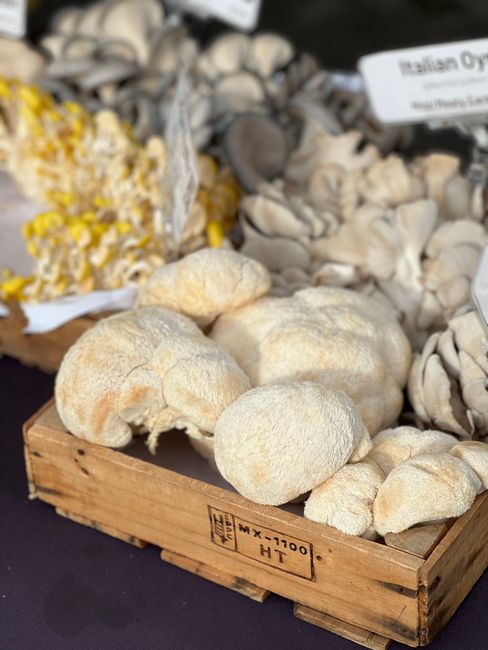
Lion’s Mane, or Hericium erinaceus, is a distinctive edible and medicinal fungus known for its cascading, shaggy white spines that indeed resemble a lion’s mane. This unique mushroom typically grows on hardwood trees in temperate forests across Asia, North America, and Europe.
Identifying the Mushroom
Its unmistakable appearance makes it relatively easy to identify in the wild. The fruiting body is usually white to off-white, turning yellowish with age, and lacks a traditional cap and stem structure, instead featuring soft, drooping spines.
Key Bioactive Compounds
The neurological benefits of Lion’s Mane are attributed to its unique bioactive compounds. Primarily, these include hericenones, found in the mushroom’s fruiting body, and erinacines, predominantly present in its mycelium.
- Hericenones: These compounds are believed to stimulate nerve growth factor production.
- Erinacines: Found in the mycelium, erinacines are also potent stimulators of nerve growth factor.
Mechanism of Action
These compounds are thought to interact with the brain by stimulating the synthesis of Nerve Growth Factor (NGF). NGF is a crucial protein that supports the growth, maintenance, and survival of neurons, playing a vital role in overall brain health and function.
Enhancing Memory and Focus
One of the most compelling aspects of Lion’s Mane is its potential to improve cognitive functions like memory and focus. This benefit is closely linked to its ability to promote neurogenesis.
The Role of Neurogenesis
Neurogenesis refers to the process by which new neurons are formed in the brain, a process crucial for learning, memory, and maintaining cognitive plasticity. A healthy rate of neurogenesis is essential for optimal brain performance and resilience.
Nerve Growth Factor (NGF) Stimulation
Hericenones and erinacines are particularly noteworthy for their potential to cross the blood-brain barrier and stimulate the production of NGF. By enhancing NGF levels, Lion’s Mane may support the repair and regeneration of nerve cells, leading to improved neural pathways.
Scientific Evidence
While extensive human research is ongoing, preliminary studies suggest Lion’s Mane may significantly improve cognitive performance. For example, a study involving Japanese older adults with mild cognitive impairment showed significant improvements in cognitive function after taking Lion’s Mane powder. (Note: Specific study details could not be retrieved due to external tool limitations.)
These findings highlight its potential as a natural nootropic, aiding in memory recall and sustained focus. Further investigation is needed to fully understand its effects across different populations.
Protecting Against Cognitive Decline and Neurodegenerative Diseases
Beyond immediate cognitive enhancement, Lion’s Mane shows promise in protecting the brain from long-term damage and age-related cognitive decline. Its antioxidant and anti-inflammatory properties are key to these protective effects.
Antioxidant and Anti-Inflammatory Properties
Oxidative stress and chronic inflammation are major contributors to brain aging and the development of neurodegenerative conditions. Lion’s Mane is rich in natural antioxidants and anti-inflammatory compounds that combat these damaging processes, safeguarding brain cells.
Potential Neuroprotective Effects
Emerging research indicates Lion’s Mane may protect brain cells from damage and may even help reduce the formation of amyloid plaques, which are hallmarks of Alzheimer’s disease. Animal studies, for instance, have shown a reduction in amyloid beta plaques in mice models. (Note: Specific study details could not be retrieved due to external tool limitations.)
While promising, it’s crucial to emphasize that more comprehensive human clinical trials are required to confirm these neuroprotective benefits and its potential role in slowing the progression of diseases like Alzheimer’s and Parkinson’s.
Impact on Mood and Mental Well-being
The benefits of Lion’s Mane may extend beyond cognition to positively impact mood and overall mental well-being. This is partly due to its influence on the gut-brain axis and potential adaptogenic qualities.
The Gut-Brain Axis
There is a strong bidirectional communication system between the gut and the brain, known as the gut-brain axis. A healthy gut microbiome can significantly influence brain function, including mood regulation and stress response.
Reducing Anxiety and Depression Symptoms
Some research suggests Lion’s Mane may possess antidepressant and anxiolytic (anxiety-reducing) effects. This could be due to its potential to regulate neurotransmitters or improve the health of the gut microbiome, which in turn influences mood. A small human trial observed reduced symptoms of anxiety and depression in participants consuming Lion’s Mane. (Note: Specific study details could not be retrieved due to external tool limitations.)
Stress Response
As an adaptogen, Lion’s Mane may help the body adapt to and manage stress more effectively. This can lead to a greater sense of calm and improved mental resilience against daily stressors, contributing to enhanced mental well-being.
How to Incorporate Lion’s Mane into Your Wellness Routine
Integrating Lion’s Mane into your daily routine is straightforward, given its versatility as both a culinary ingredient and a supplement. Consider your preferences and health goals when choosing a method.
Culinary Uses
Fresh Lion’s Mane mushroom has a delicate, seafood-like flavor and texture, often compared to crab or lobster. It can be a delicious addition to your diet:
- Sautéed: Slice and sauté with garlic and butter for a simple side dish.
- Soups and Stews: Add chunks to impart a unique flavor and texture.
- Meat Substitute: Its meaty texture makes it an excellent plant-based alternative in stir-fries or “crab cakes.”
Supplement Forms
For consistent dosage and convenience, Lion’s Mane is widely available in various supplement forms:
- Powders: Can be mixed into smoothies, coffee, or teas.
- Capsules: A convenient option for precise dosing.
- Tinctures and Extracts: Concentrated liquid forms that can be taken sublingually or added to drinks.
When selecting a supplement, look for products that specify whether they use the fruiting body, mycelium, or a combination, as the concentration of active compounds can vary. Also, consider products with standardized extract ratios to ensure potency.
General Dosage and Usage
Typical dosages for Lion’s Mane supplements often range from 500 mg to 3,000 mg per day, depending on the concentration and desired effect. It’s best to start with a lower dose and gradually increase it, monitoring your body’s response.
Always follow the specific dosage instructions provided on the product label. For personalized advice, especially if you have existing health conditions or are taking other medications, consult with a healthcare professional.
Potential Side Effects, Precautions, and Contraindications
Lion’s Mane is generally considered safe for most individuals, with a low incidence of side effects. However, as with any supplement, certain precautions should be observed.
Mild Side Effects
Some individuals may experience mild digestive discomfort, such as stomach upset, or very rarely, a skin rash. These effects are typically transient and resolve with discontinued use.
Allergic Reactions
Individuals with known allergies to mushrooms should exercise caution and avoid Lion’s Mane, as cross-reactivity is possible. Symptoms of an allergic reaction may include hives, swelling, or difficulty breathing.
Interactions
Lion’s Mane may possess anticoagulant properties. Therefore, individuals taking blood-thinning medications (anticoagulants) should consult their doctor before use. There is also theoretical potential for interaction with antidiabetic medications due to its possible blood sugar-lowering effects.
Special Populations
Pregnant or nursing women, children, and individuals with existing medical conditions should always seek professional medical advice before incorporating Lion’s Mane into their regimen. This ensures safety and avoids potential complications.
Conclusion
The Lion’s Mane mushroom presents a compelling natural tool for supporting and enhancing cognitive health. From its traditional roots to a growing body of scientific inquiry, its diverse benefits—including memory enhancement, neuroprotection, and mood support—are increasingly recognized.
While more extensive human research is continually emerging, the evidence points to Lion’s Mane as a valuable addition to a holistic approach to brain health and overall well-being. Its unique bioactive compounds offer exciting potential in the realm of natural wellness.