Are you concerned about visible signs of aging on your skin or experiencing frustrating hair loss? Many individuals struggle with these common issues, impacting self-confidence and overall well-being. Red Light Therapy (RLT) offers a promising, non-invasive solution, leveraging specific light wavelengths to rejuvenate skin and stimulate hair follicles at a cellular level.
Introduction to Red Light Therapy
What is Red Light Therapy (RLT) and how does it work?
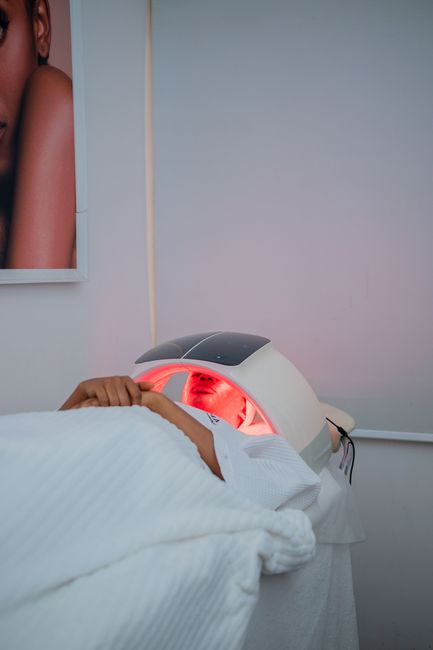
Red Light Therapy, also known as low-level laser therapy (LLLT) or photobiomodulation (PBM), involves exposing the body to red and near-infrared light. This non-invasive treatment works by delivering specific wavelengths of light that penetrate the skin to a cellular level.
Once absorbed, these light particles stimulate the mitochondria within cells, often referred to as the cell’s “powerhouses.” This stimulation initiates a cascade of metabolic events that promote cellular repair and regeneration.
Brief overview of its growing popularity in wellness.
RLT has seen a significant surge in popularity across the wellness and beauty industries due to its non-invasive nature and promising results. From professional clinics to at-home devices, more people are turning to RLT for a variety of health and aesthetic concerns.
Its ease of use and the growing body of anecdotal and preliminary scientific evidence contribute to its widespread adoption. This therapy is becoming a staple in routines aimed at enhancing skin health and combating hair thinning.
Distinguishing RLT from other light therapies.
It’s important to understand that RLT is distinct from other light-based treatments like UV therapy or blue light therapy. Unlike UV light, which can damage skin, RLT uses specific wavelengths (typically 600-900 nm) that are beneficial and safe.
Blue light therapy, for instance, is often used to target acne-causing bacteria, whereas red and near-infrared light are focused on deeper cellular processes like collagen production and anti-inflammation. Each light spectrum serves a unique therapeutic purpose.
The Science Behind Red Light Therapy’s Efficacy
Cellular Mechanism: How red and near-infrared light interact with mitochondria.
At the core of RLT’s efficacy is its interaction with cellular mitochondria, specifically a chromophore called cytochrome c oxidase. This enzyme, found in the mitochondria, absorbs the red and near-infrared light photons.
Upon absorption, it triggers a series of biochemical reactions that enhance cellular function. This fundamental interaction is key to understanding the broad therapeutic benefits of RLT.
ATP Production: The role of increased cellular energy in repair and regeneration.
The stimulation of cytochrome c oxidase by RLT leads to an increase in adenosine triphosphate (ATP) production, which is the primary energy currency of the cell. More ATP means cells have more energy to perform their functions efficiently.
This boost in cellular energy is crucial for various repair processes, including tissue regeneration, collagen synthesis, and immune response. Adequate ATP levels are vital for maintaining healthy cellular activity throughout the body.
Impact on Cellular Pathways: Discussion of key proteins and enzymes activated by RLT.
Beyond ATP production, RLT also influences several important cellular signaling pathways. It can modulate gene expression, activate certain transcription factors, and increase the production of various proteins and enzymes.
These activated pathways contribute to anti-inflammatory effects, enhanced antioxidant defenses, and improved cellular communication. The comprehensive impact on these pathways underscores RLT’s potential in health and wellness.
Red Light Therapy for Skin Rejuvenation and Anti-Aging
Collagen and Elastin Production: How RLT stimulates these essential skin proteins.
One of the most celebrated benefits of RLT for skin is its ability to stimulate the production of collagen and elastin. These proteins are fundamental to maintaining skin’s structure, elasticity, and firmness.
As we age, collagen and elastin production naturally declines, leading to wrinkles and sagging. RLT helps counteract this by encouraging fibroblasts, the cells responsible for producing these vital proteins, to work more efficiently.
Reducing Wrinkles and Fine Lines: Explaining the mechanisms for smoother skin.
By boosting collagen and elastin, RLT effectively contributes to the reduction of wrinkles and fine lines. The increased protein density helps to plump up the skin, making it appear smoother and more youthful.
Regular application of red light therapy can improve skin texture and resilience, diminishing the visibility of age-related skin imperfections. This cellular regeneration process helps restore a more even and supple complexion.
Improving Skin Tone and Texture: Addressing issues like hyperpigmentation and redness.
RLT can also significantly improve overall skin tone and texture. It aids in reducing inflammation, which can lessen the appearance of redness and hyperpigmentation.
Through enhanced cellular repair and circulation, RLT helps to create a more uniform skin complexion, reducing blotchiness and promoting a healthy glow. This holistic improvement makes skin look healthier and more vibrant.
Wound Healing and Scar Reduction: Overview of RLT’s role in skin repair.
Beyond anti-aging, red light therapy is recognized for its potential in wound healing and scar reduction. It accelerates the natural healing process by promoting tissue regeneration and reducing inflammation.
This can lead to faster closure of wounds and a reduction in the severity and appearance of scars, including those from acne or surgery. The therapy supports the body’s innate ability to repair damaged skin cells effectively.
Red Light Therapy for Hair Growth and Scalp Health
Stimulating Hair Follicles: How RLT can awaken dormant follicles.
For those experiencing hair thinning or loss, RLT offers a promising avenue by stimulating dormant or underperforming hair follicles. The light energy penetrates the scalp, reaching the hair follicles.
This stimulation can encourage follicles to re-enter the active growth phase, promoting new hair growth and reducing shedding. It essentially “wakes up” the follicles, encouraging them to produce healthier strands.
Increasing Blood Circulation: The importance of nutrient delivery to the scalp.
Another crucial benefit of RLT for hair health is its ability to increase blood circulation to the scalp. Improved blood flow ensures that hair follicles receive an adequate supply of oxygen, nutrients, and essential growth factors.
This enhanced nutrient delivery is vital for supporting robust hair growth and maintaining overall scalp health. A well-nourished scalp is the foundation for strong, healthy hair.
Addressing Hair Thinning and Loss: Discussion of potential benefits for various types of alopecia.
RLT has shown potential in addressing various forms of hair thinning and loss, including androgenetic alopecia (pattern baldness). By targeting the cellular mechanisms of hair growth, it can help counteract the miniaturization of hair follicles.
While results can vary, consistent use may lead to a noticeable increase in hair density and a reduction in further hair loss. It offers a non-pharmaceutical option for managing hair loss concerns.
Improving Hair Density and Strength: Enhancing overall hair quality.
Beyond simply promoting new growth, RLT can also contribute to improving overall hair density and strength. Hair strands may become thicker, more resilient, and less prone to breakage.
This enhancement in hair quality leads to a fuller, healthier-looking head of hair. The therapy supports the development of stronger, more vibrant individual hair shafts from the root.
Types of Red Light Therapy Devices and Their Applications
Professional Treatments vs. At-Home Devices: Comparing options for users.
Red light therapy is available through both professional treatments in clinics and various at-home devices. Professional setups often use larger, more powerful panels or helmets designed for comprehensive coverage and higher irradiance.
At-home devices offer convenience and cost-effectiveness, ranging from smaller handheld wands to caps and masks. The choice between professional and at-home options often depends on budget, desired intensity, and convenience.
Different Device Formats: Panels, masks, caps, and handheld wands.
The market offers a diverse array of RLT device formats, each suited for different applications:
- Panels: Larger devices ideal for treating broad areas of the body, including the face, scalp, and torso.
- Masks: Specifically designed for facial treatment, providing targeted exposure for skin rejuvenation.
- Caps/Helmets: Worn on the head, these are optimized for scalp coverage to stimulate hair growth.
- Handheld Wands: Portable and versatile for targeting smaller, specific areas with focused light.
Each format provides a unique way to integrate RLT into a personal wellness routine, catering to specific needs and preferences.
Key Specifications to Consider: Wavelengths (e.g., 660nm, 850nm), power output, and irradiance.
When selecting an RLT device, several key specifications are crucial for effectiveness:
- Wavelengths: Red light (around 630-670nm) is excellent for surface skin issues, while near-infrared light (around 810-850nm) penetrates deeper for cellular repair in muscle, joints, and potentially hair follicles.
- Power Output: Indicates the total light energy the device emits. Higher power generally means shorter treatment times.
- Irradiance: Measured in mW/cm², this specifies the light power density reaching the skin. Higher irradiance often correlates with greater therapeutic effect, especially for deeper tissues.
Understanding these specifications helps in choosing a device that aligns with individual treatment goals and desired efficacy.
Safety, Usage Guidelines, and Potential Considerations
General Safety Profile: Emphasizing non-invasiveness and minimal side effects.
Red Light Therapy is widely considered a safe and non-invasive treatment with a minimal side effect profile. Unlike UV light, it does not produce harmful radiation or heat that can damage skin.
Most individuals tolerate RLT well, making it an appealing option for long-term use. Any minor side effects, such as temporary redness, are typically mild and transient.
Proper Usage: Recommended duration and frequency of sessions.
For optimal results, consistent and proper usage is key. Establish a regular schedule, treating it like any other part of your daily or weekly wellness routine, with sessions typically ranging from 5 to 20 minutes per treated area.
Frequency often involves using the device 3 to 5 times per week. It is important to follow the manufacturer’s instructions for your specific device to ensure both safety and effectiveness.
Important Precautions: Eye protection and consulting with a healthcare professional.
While RLT is generally safe, certain precautions should always be taken. Eye protection, usually provided with devices, is crucial, especially when using RLT near the face, as intense light can be uncomfortable for the eyes.
Always consult with a healthcare professional before starting RLT, particularly if you have underlying medical conditions or are taking photosensitizing medications. This ensures the therapy is appropriate for your individual health status.
Contraindications: Situations where RLT might not be recommended.
Despite its safety, RLT may not be recommended for everyone. Contraindications can include pregnancy, a history of skin cancer, or certain light-sensitive conditions.
Individuals with active skin infections or open wounds should also exercise caution or avoid direct treatment on those areas. Discussing your medical history with a doctor can help determine if RLT is a suitable option for you.
Integrating Red Light Therapy into Your Wellness Routine
Tips for consistent application for optimal results.
Consistency is paramount for achieving optimal results with red light therapy for both skin and hair. Establish a regular schedule, treating it like any other part of your daily or weekly wellness routine.
Choose a device that fits your lifestyle and carve out dedicated time for your sessions. Placing your device in an easily accessible location can also encourage more frequent use.
Complementary practices for skin and hair health.
RLT can be effectively complemented by other healthy practices to enhance its benefits. For skin, maintaining a good skincare routine with quality products, adequate hydration, and sun protection is essential.
For hair health, a balanced diet rich in vitamins and minerals, gentle hair care practices, and scalp massages can further support growth. Combining RLT with these habits creates a synergistic approach to wellness.
Setting realistic expectations for outcomes.
While red light therapy offers significant potential, it’s crucial to set realistic expectations for outcomes. Results are typically not immediate and require consistent application over several weeks or months to become noticeable.
Individual responses can vary based on factors like age, skin condition, type of hair loss, and device specifications. Patience and persistence are key to experiencing the full benefits of RLT.
Conclusion
Red Light Therapy stands out as a versatile and non-invasive modality with compelling benefits for both skin aging and hair growth. By stimulating cellular energy production and influencing key biological pathways, RLT supports the body’s natural regenerative capabilities.
From boosting collagen and reducing wrinkles to stimulating hair follicles and improving scalp health, its multifaceted applications are transforming personal wellness routines. As research continues to expand, RLT is poised to play an even greater role in both aesthetic enhancement and therapeutic interventions for a healthier future.