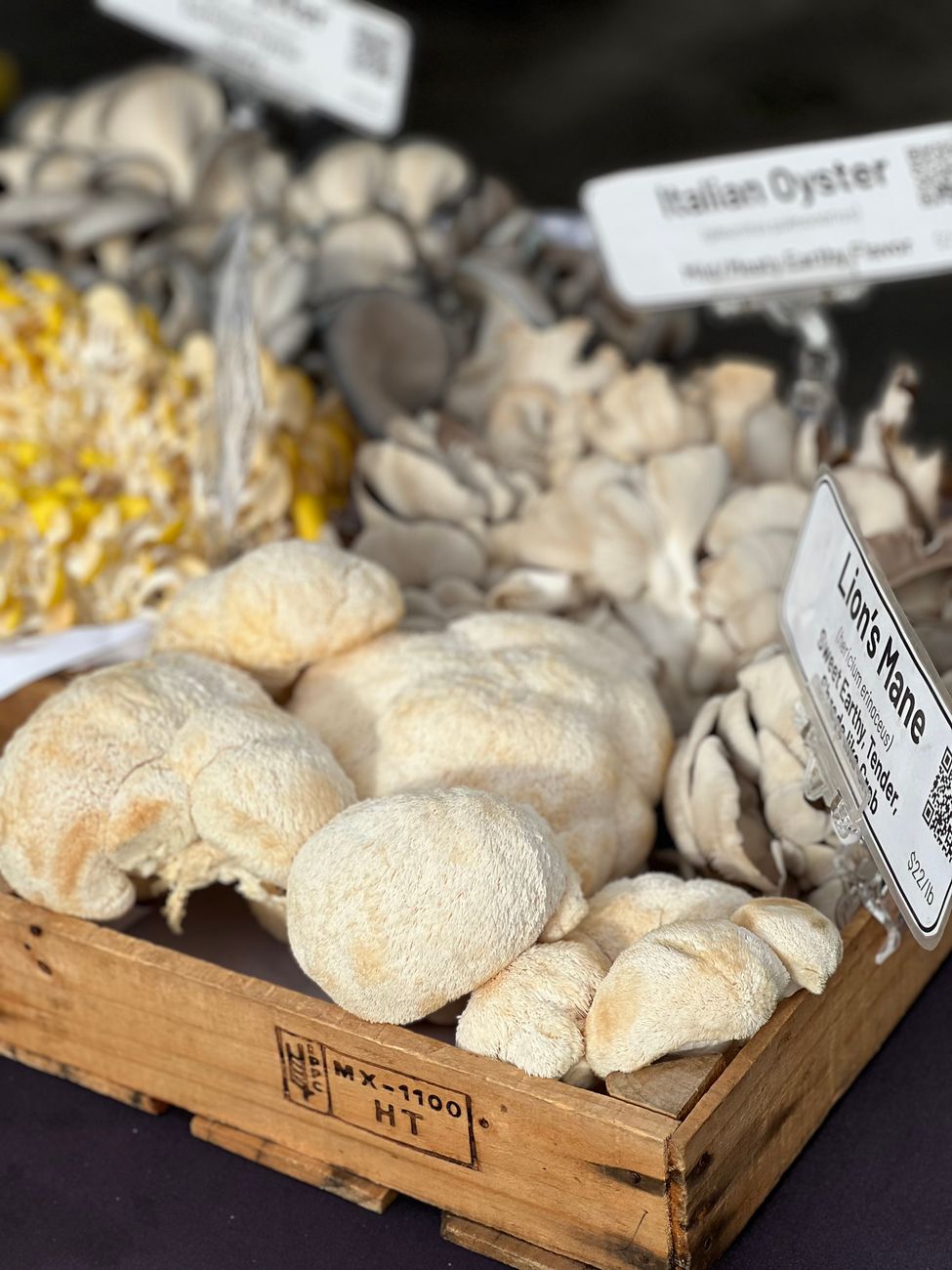
For centuries, Lion’s Mane mushroom (Hericium erinaceus) has been a staple in traditional Chinese medicine, revered for its cognitive and neurological benefits. Today, modern science is beginning to validate these ancient claims, revealing the fascinating mechanisms by which this unique fungus supports brain health. This article explores the science behind Lion’s Mane.
The Key to Neurogenesis: NGF and BDNF
The most remarkable aspect of Lion’s Mane lies in its ability to stimulate the synthesis of Nerve Growth Factor (NGF) and Brain-Derived Neurotrophic Factor (BDNF). These two proteins are crucial for neurogenesis—the creation of new neurons—and for the survival and maintenance of existing neurons. NGF is vital for the myelination of nerve fibers, a process that insulates them and allows for faster signal transmission.
How Does It Work? The Role of Hericenones and Erinacines
The primary active compounds in Lion’s Mane responsible for these effects are hericenones (found in the fruiting body) and erinacines (found in the mycelium). Unlike many substances, these compounds are small enough to cross the blood-brain barrier, allowing them to directly stimulate the brain to produce more NGF and BDNF. This direct action is what makes Lion’s Mane a subject of intense scientific interest for cognitive enhancement and potential neuroprotective therapies.
Potential Benefits Backed by Research
- Improved Cognitive Function: Studies, particularly in older adults with mild cognitive impairment, have shown that supplementation with Lion’s Mane can significantly improve cognitive scores.
- Neuroprotection: By promoting nerve cell growth and health, Lion’s Mane may help protect against age-related neurodegeneration.
- Mood and Anxiety Support: Some research suggests that Lion’s Mane may also have anxiolytic and antidepressant effects, possibly by influencing the hippocampus, a region of the brain involved in memory and emotional responses.
This video from a neuroscientist offers a detailed look at the scientific evidence:
Conclusion
Lion’s Mane mushroom is more than just a culinary delight; it’s a powerful natural nootropic with a growing body of scientific evidence supporting its brain-boosting capabilities. By stimulating the production of NGF and BDNF, it offers a promising avenue for enhancing cognitive function and protecting long-term brain health.