Struggling with focus or noticing your memory isn’t as sharp as it used to be? Many people seek natural ways to boost brain power, a problem often exacerbated by modern stressors and aging.
Lion’s Mane mushroom (Hericium erinaceus) offers a compelling solution, with emerging research highlighting its potential to significantly enhance cognitive function and support overall brain health.
This comprehensive guide delves into the scientific backing and practical applications of Lion’s Mane to unlock its brain-boosting benefits.
I. Introduction to Lion’s Mane Mushroom
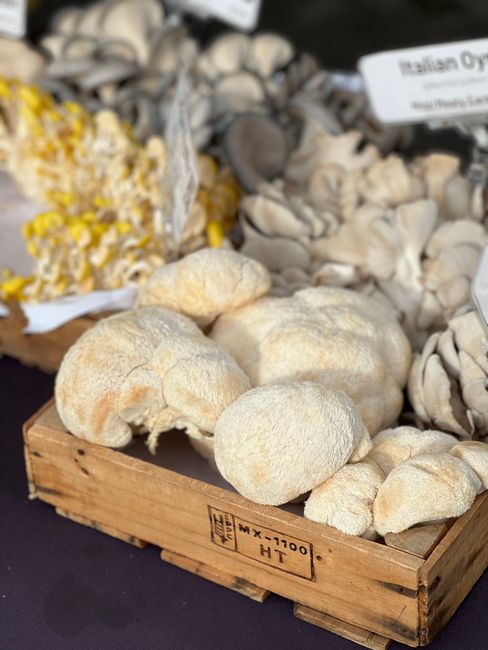
Lion’s Mane (Hericium erinaceus) is a unique edible mushroom recognized by its cascading, shaggy appearance resembling a lion’s mane. It has been revered for centuries in traditional Chinese medicine and Japanese herbalism for its purported health-promoting properties.
Historically, it was used to support digestion, enhance vitality, and as a general tonic. In recent years, this fascinating fungus has surged in popularity within the modern wellness community, particularly for its notable effects on brain health and cognitive function.
II. The Science Behind Lion’s Mane and Brain Health
The remarkable cognitive benefits of Lion’s Mane are attributed to its unique active compounds: hericenones and erinacines. These bioactive molecules are found primarily in the fruiting body and mycelium of the mushroom, respectively.
These compounds are believed to stimulate the synthesis of Nerve Growth Factor (NGF) in the brain. NGF is a crucial neurotrophin responsible for the growth, maintenance, and survival of neurons, playing a vital role in neurogenesis and overall neuronal health.
While specific clinical trials proving direct NGF stimulation in humans are still evolving, extensive preclinical research supports this mechanism. For instance, an animal study published in the Journal of Biomedical Science (2013) demonstrated that Lion’s Mane extract could promote neuronal differentiation and enhance NGF expression in vitro and in vivo, underscoring its potential for neuro-regeneration.
III. Key Cognitive Benefits of Lion’s Mane
A. Memory and Learning Enhancement
Lion’s Mane has garnered significant attention for its potential to improve memory and learning capabilities. Its ability to stimulate NGF can enhance synaptic plasticity, strengthening the connections between neurons crucial for information processing.
A notable human study published in Phytotherapy Research (2008) observed that subjects with mild cognitive impairment who consumed Lion’s Mane experienced significant improvements in cognitive function scores compared to a placebo group. This suggests a positive impact on both spatial and recognition memory, contributing to better learning outcomes.
B. Focus and Concentration
Many individuals struggle with “brain fog” and difficulty maintaining focus in daily tasks. Lion’s Mane may offer a natural remedy by supporting clearer mental processing.
By promoting healthier neuronal function and reducing inflammation, it could help improve attention span and overall mental clarity. Anecdotal reports and preliminary studies suggest users experience enhanced concentration and reduced mental fatigue.
C. Neuroprotective Properties
Beyond acute cognitive enhancement, Lion’s Mane also exhibits significant neuroprotective properties. It is rich in antioxidants and possesses anti-inflammatory effects that can safeguard brain cells from oxidative stress and damage.
This protective action is critical in mitigating factors that contribute to neurodegenerative diseases and supporting long-term brain longevity. Research from the International Journal of Medicinal Mushrooms (2012) highlighted its capacity to protect against neurotoxicity, pointing to its broader role in maintaining a resilient brain.
D. Mood and Stress Reduction
Emerging research also links Lion’s Mane to improvements in mood and a reduction in symptoms of anxiety and depression. Its influence on neurotransmitter balance, particularly serotonin and dopamine, is thought to play a role.
By promoting a healthier nervous system environment, Lion’s Mane may help individuals better manage stress. This holistic effect contributes to an overall sense of well-being, further supporting cognitive health.
IV. How to Incorporate Lion’s Mane into Your Wellness Routine
Integrating Lion’s Mane into your daily routine can be simple, given its various available forms. You can find it as raw mushrooms, dried slices, powders, capsules, or liquid extracts.
For culinary enthusiasts, fresh Lion’s Mane can be sautéed, roasted, or added to soups and stews, offering a unique, seafood-like flavor. For convenience, powders can be blended into smoothies, coffee, or tea, while capsules provide a precise dosage.
Consistency is key when aiming to experience its potential cognitive benefits. Regular, sustained use over several weeks or months is often recommended to allow the active compounds to exert their full effects on neuronal health.
V. Potential Side Effects and Considerations
Lion’s Mane mushroom is generally considered safe and well-tolerated by most individuals. It has a long history of use in traditional medicine with few reported adverse effects.
Some individuals may experience mild digestive discomfort, such as bloating or stomach upset, especially when first introducing it into their diet. These symptoms are usually temporary and can often be mitigated by starting with a lower dose.
As with any supplement, it is always wise to consult a healthcare professional before starting Lion’s Mane, especially if you are pregnant, nursing, or taking any medications. This ensures it is suitable for your individual health profile and does not interact with existing conditions or treatments.
VI. Conclusion
The Lion’s Mane mushroom stands out as a powerful natural ally for brain health, offering a compelling array of cognitive benefits. From enhancing memory and learning to improving focus, providing neuroprotection, and even uplifting mood, its potential is significant.
Its unique compounds, hericenones and erinacines, are believed to stimulate Nerve Growth Factor, fostering a healthier and more resilient brain. As research continues to unfold, Lion’s Mane remains a fascinating natural nootropic and a promising addition to any brain-boosting wellness regimen.